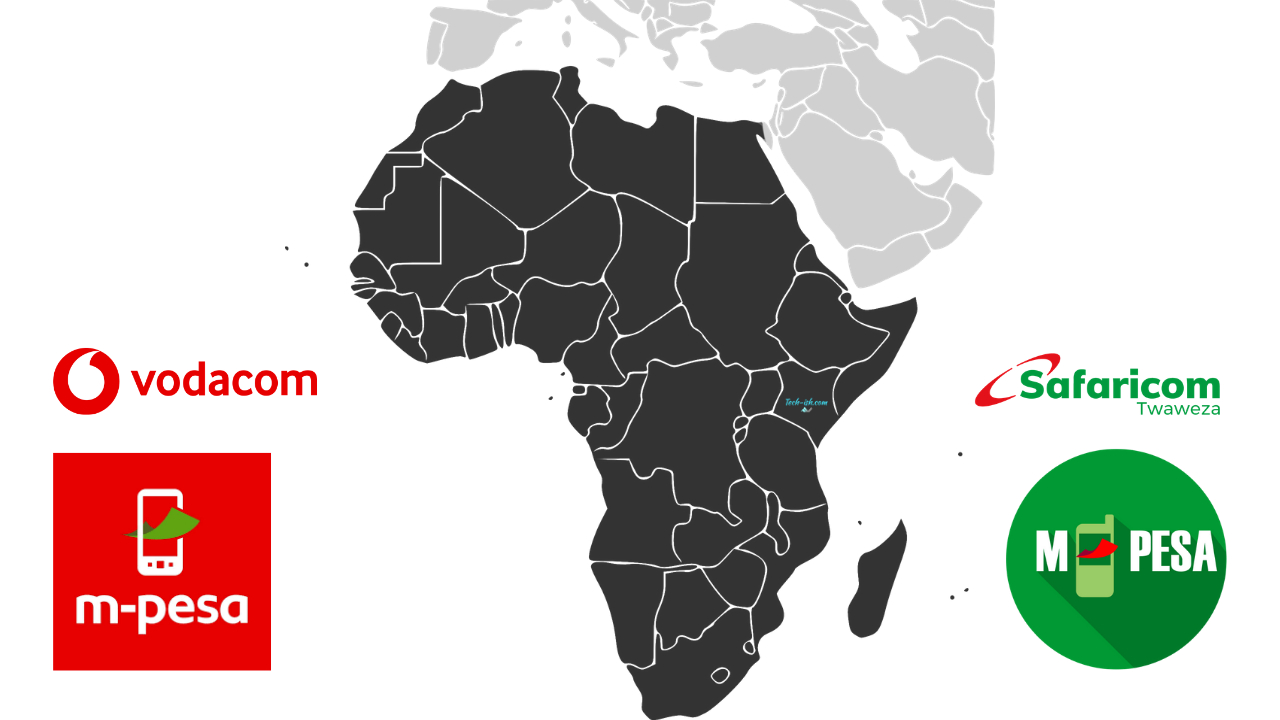
The Competition Authority of Kenya (CAK) has taken a notable step back from formally reviewing the proposed Vodacom‑Safaricom share acquisition, choosing instead to leave the detailed merger scrutiny to regional competition bodies. This shift reflects evolving approaches to handling cross‑border corporate transactions in East Africa and has significant implications for Kenya’s telecom sector and broader regulatory landscape. Vodacom Group, the South African telecommunications giant, is moving to increase its stake in Safaricom Plc, Kenya’s largest telecommunications and mobile money provider. Under the current proposal, Vodacom aims to raise its ownership from about 35 % to 55 % by buying an additional 15 % stake from the Government of Kenya and 5 % from its parent company Vodafone. The entire transaction is valued at roughly Sh272 billion (around $1.6 billion), and if completed, would see Vodacom becoming the controlling shareholder of Safaricom.
Traditionally, mergers and acquisitions involving major Kenyan companies would trigger a full formal review by CAK, including in‑depth analysis of competition impacts, compliance obligations, and notification fees. However, CAK Director‑General David Kemei confirmed that because Vodacom and Safaricom operate across multiple countries and exceed regional turnover thresholds, the transaction qualifies for review by the East African Community Competition Authority (EACCA) and the COMESA Competition and Consumer Commission (CCCC) instead of a standalone national review. Under the revised framework for cross‑border deals, CAK will not play the lead investigatory role, but it will still be informed and contribute its views on how the transaction might affect competition and consumer welfare within Kenya’s telecom market. This input will be submitted to the regional regulators overseeing the formal review process. The case is also one of the first major tests of the EAC Competition Act, which only became operational in late 2025. Safaricom’s deep integration in Kenya’s digital economy — particularly through its mobile money platform M‑Pesa, financial services, and telecom infrastructure — means regulators will be watching closely to ensure that competitive dynamics are not substantially harmed and that consumer interests remain protected.
Meanwhile, the government’s decision to divest part of its stake in Safaricom to Vodacom has sparked debate and legal action. A petition was filed in the Kenyan courts seeking to halt the share sale, citing concerns over valuation transparency, lack of competitive bidding, and public interest concerns. The petition names among its respondents several state agencies and regulators, including CAK, underscoring the national significance of the transaction and regulatory oversight issues. In response, Safaricom’s leadership has emphasised that the transaction is a shareholder‑to‑shareholder arrangement and will not affect the company’s national character, governance framework, or regulatory oversight under Kenyan law. Overall, CAK’s decision not to lead a formal merger review signals a broader shift toward streamlined regional competition oversight for large cross‑border deals while maintaining national input on competition and consumer impacts.