Sharp Daily
No Result
View All Result
Sunday, January 18, 2026
  • Home
  • News
    • Politics
  • Business
    • Banking
  • Investments
  • Technology
  • Startups
  • Real Estate
  • Features
  • Appointments
  • About Us
    • Meet The Team
Sharp Daily
  • Home
  • News
    • Politics
  • Business
    • Banking
  • Investments
  • Technology
  • Startups
  • Real Estate
  • Features
  • Appointments
  • About Us
    • Meet The Team
No Result
View All Result
Sharp Daily
No Result
View All Result
Home News

Museveni: Uganda lost millions buying fuel through Kenya middlemen

Brian Murimi by Brian Murimi
November 5, 2023
in News
Reading Time: 2 mins read

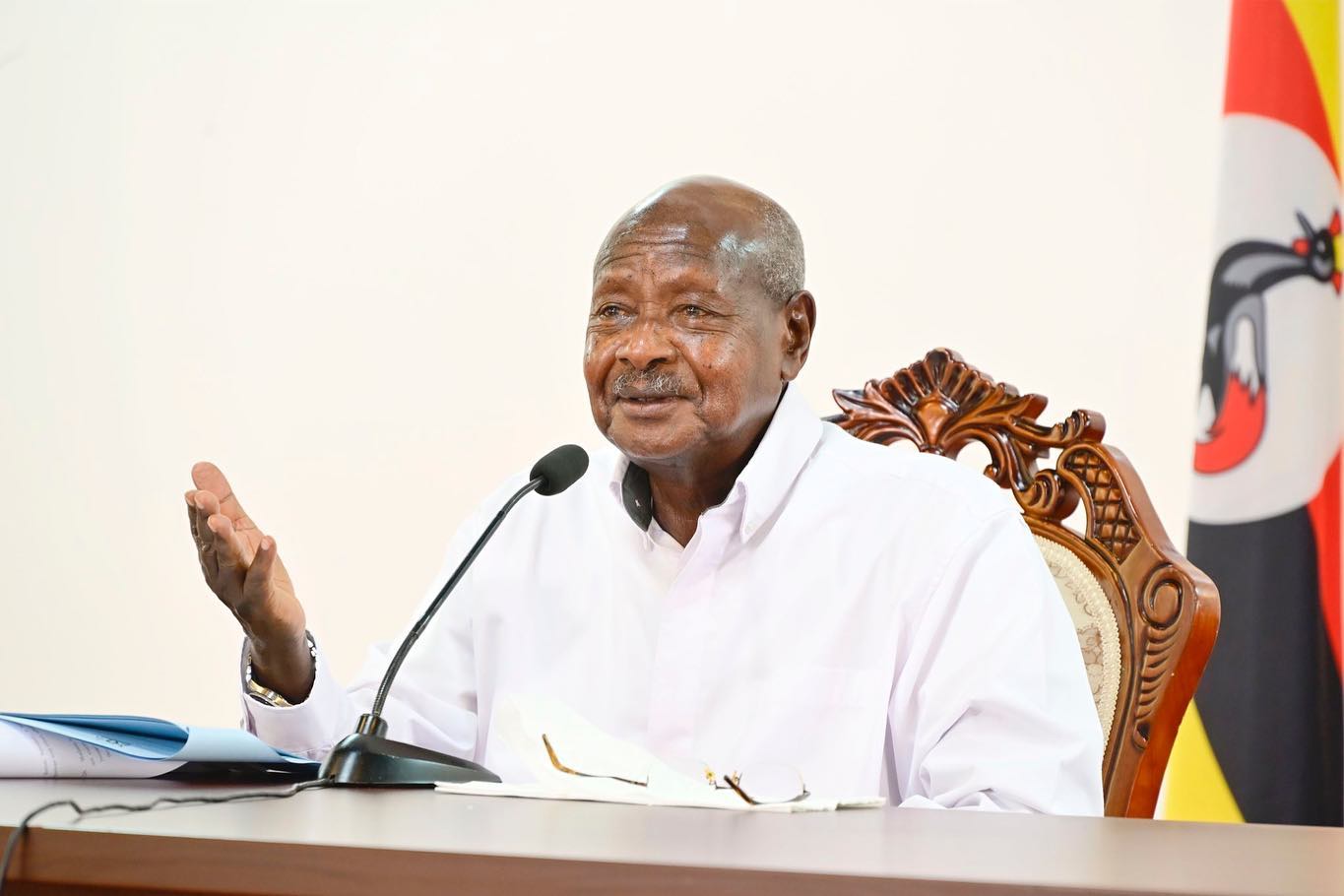
Ugandan President Yoweri Museveni has sharply criticized his own government officials for “letting down” the country by buying petroleum products from middlemen in Kenya instead of directly from bulk suppliers and refiners.

In a statement on Sunday, Museveni said Uganda imports about 2.5 billion liters of petroleum products annually at a cost of around $2 billion, but officials had been purchasing the fuel from middlemen in Kenya without his knowledge.

On Wednesday this week, Uganda, which imports 90% of its fuel products through the port of Mombasa, announced measures aimed at ceasing its reliance on Kenya for sourcing petroleum products, citing challenges from Kenya’s government-to-government fuel deal with Gulf nations.

“A whole country buying from middlemen in Kenya or anywhere else!!” Museveni said. “Amazing but true.”


RELATEDPOSTS

Strategies for Kenya after being spared US visa freeze

January 16, 2026

Mobile money agents’ cash transfers drop by Sh430 billion amid shift to digital payments

January 15, 2026

He said he learned about the practice from whistleblowers and handed the matter over to Energy Minister Ruth Nankabirwa to handle about a year ago, but the problem persisted. Museveni then studied the issue himself and found Uganda loses a significant amount of money by using middlemen.

“The middlemen were selling us petroleum products at prices” much higher than what could be obtained directly from bulk suppliers or refiners, Museveni said. He cited diesel being sold at $118 per tonne by middlemen versus $83 from bulk suppliers, and petrol at $97.5 per tonne versus $61.5.

Museveni said he has discussed the issue with Kenyan President William Ruto, and Ugandan officials are in talks with Tanzanian President Samia Suluhu about securing fuel directly from Dar es Salaam. But he said the officials who benefited from the arrangement have launched a media campaign against his plan.

“However, the internal parasites who have been cheating their country, have launched a social-media and mainstream media campaign against our liberation- resistance plan against being over-charged,” Museveni said. He vowed to confront what he called the “parasites.”

Museveni said Ruto is addressing the Kenyan side of the problem. Once Uganda’s oil refinery is operating in a few years, Museveni said the region will benefit from competitively priced fuel.

“Down with the social-media and mainstream media mis-informers,” he said in conclusion.

Previous Post

OPINION: Mr Beast’s generosity highlights deficiencies in Kenyan leadership

Next Post

Maisha Meds takes on malaria in Africa with $5.25 million boost

Brian Murimi

Brian Murimi

Brian Murimi is a journalist with major interests in covering tech, corporates, startups and business news. When he's not writing, you can find him gaming, watching football or sipping a nice cup of tea. Send tips via bireri@thesharpdaily.com

Related Posts

News

Unit Trusts: Investment Vehicles or Just Sophisticated Savings?

January 16, 2026
News

Kenya Must Shift From Reactive Drought Aid to Proactive Prevention to End the Cycle of Crisis

January 16, 2026
News

Building Up, Not Out: The Economic Trade-Offs of High-Rise Housing

January 16, 2026
News

The Economics of East African Integration: Progress, Frictions, and the Road Ahead

January 16, 2026
News

Influencers, Social Media, and the New Economics of Business Growth

January 16, 2026
News

Investment Laws and Their Impact on Foreign Direct Investment in Kenya

January 16, 2026

LATEST STORIES

Unit Trusts: Investment Vehicles or Just Sophisticated Savings?

January 16, 2026

Kenya Must Shift From Reactive Drought Aid to Proactive Prevention to End the Cycle of Crisis

January 16, 2026

Building Up, Not Out: The Economic Trade-Offs of High-Rise Housing

January 16, 2026

The Economics of East African Integration: Progress, Frictions, and the Road Ahead

January 16, 2026

Influencers, Social Media, and the New Economics of Business Growth

January 16, 2026

Investment Laws and Their Impact on Foreign Direct Investment in Kenya

January 16, 2026

Mobile Money Meets the Stock Market

January 16, 2026

Kenya’s Current Account Deficit: Risks, Realities, and Economic Opportunities

January 16, 2026
  • About Us
  • Meet The Team
  • Careers
  • Privacy Policy
  • Terms and Conditions
Email us: editor@thesharpdaily.com

Sharp Daily © 2024

No Result
View All Result
  • Home
  • News
    • Politics
  • Business
    • Banking
  • Investments
  • Technology
  • Startups
  • Real Estate
  • Features
  • Appointments
  • About Us
    • Meet The Team

Sharp Daily © 2024