Sharp Daily
No Result
View All Result
Thursday, August 20, 2026
  • Home
  • News
    • Politics
  • Business
    • Banking
  • Investments
  • Technology
  • Startups
  • Real Estate
  • Features
  • Appointments
  • About Us
    • Meet The Team
Sharp Daily
  • Home
  • News
    • Politics
  • Business
    • Banking
  • Investments
  • Technology
  • Startups
  • Real Estate
  • Features
  • Appointments
  • About Us
    • Meet The Team
No Result
View All Result
Sharp Daily
No Result
View All Result
Home News

Oil Prices could double to over $150 per barrel if Mideast conflict widens, World Bank warns

Brian Murimi by Brian Murimi
October 31, 2023
in News
Reading Time: 2 mins read

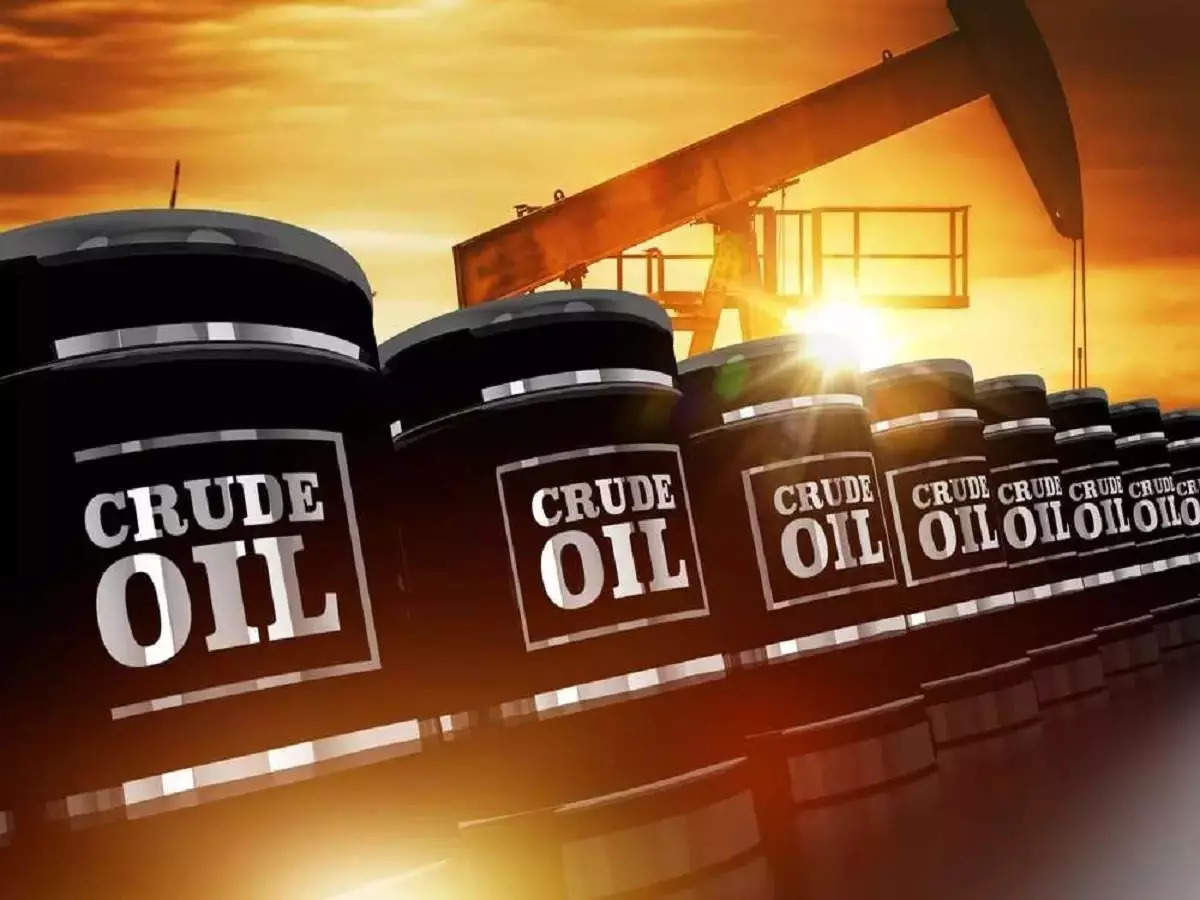
Oil prices could surge over 50% to well above $150 per barrel if the latest tensions in the Middle East spiral into a wider conflict and cause significant disruptions to global oil supplies, the World Bank warned Tuesday.

In a new report, the World Bank said expanded conflict in the Middle East could choke off oil supply by up to 8 million barrels per day. This would drive prices for benchmark Brent crude from around $95 currently to between $140-$157 per barrel, more than double today’s prices.

“The latest conflict in the Middle East comes on the heels of the biggest shock to commodity markets since the 1970s – Russia’s war with Ukraine. That had disruptive effects on the global economy that persist to this day,” said Indermit Gill, the World Bank’s chief economist.

The report highlights that even a more moderate oil supply impact of 3-5 million barrels per day reduction – similar to the 2003 Iraq war’s effect – could push crude prices up 21-35% in the near-term, taking Brent from around $95 now to $109-$121 per barrel.
RELATEDPOSTS

Why the World Bank has delayed Its emergency loan to Kenya

July 14, 2026

World Bank warns up to 2.4 Million more Kenyans risk falling into poverty in 2026

July 10, 2026

“Higher oil prices, if sustained, inevitably mean higher food prices. An escalation of the latest conflict would intensify food insecurity, not only within the region but also across the world,” warned Ayhan Kose, the World Bank’s deputy chief economist.

With the loss of Russia’s key oil exports due to the Ukraine war, an additional supply crunch from the volatile Middle East could tip commodity markets into chaos, the World Bank said. This could unleash a “dual energy shock” that would reverberate across the global economy.

The bank highlighted that the world economy is less vulnerable currently to oil supply shocks than in the 1970s, due to more diversified energy sources, strategic reserves, and reduced oil intensity. But it stressed that policymakers need to remain vigilant and be ready to deploy additional monetary and fiscal measures to curb inflationary impacts.

Developing countries also need to boost social safety nets, avoid price controls that often backfire, and ensure efficient food production and trading systems, the World Bank advised. Food price surges driven by higher oil costs would disproportionately impact poorer nations.

“Policymakers in developing countries will need to take steps to manage a potential increase in headline inflation,” the report warned. “Given the risk of greater food insecurity, governments should avoid trade restrictions such as export bans on food and fertilizer.”

While the Mideast tensions have not caused major price moves yet, the World Bank pointed to rising gold prices as a warning sign that investors are growing more concerned about geopolitical instability. Accelerating the shift towards renewable energy sources globally can mitigate oil supply disruption risks over the long term, the bank added.


Previous Post

Uganda’s NSSF rescues Airtel IPO with last-minute investment

Next Post

Old Mutual Tower put up for sale amid rising debt costs

Brian Murimi

Brian Murimi

Brian Murimi is a communications and advocacy professional with a focus on innovation, policy and continental development in Africa. A former journalist, he now works at the intersection of knowledge, strategy, and pan-African institution building.

Related Posts

News

The role of investment research in identifying mispriced assets

August 17, 2026
News

How Influencers Are Reshaping the Economics of Business Growth

August 14, 2026
News

CBK Holds Rates

August 14, 2026
News

Kenya Stablecoin Regulations Shape Digital Finance

August 14, 2026
News

Circle Arc Blockchain Validators Reshape Institutional Finance

August 14, 2026
News

Stablecoin Treasury Infrastructure Reshapes African Corporate Finance

August 14, 2026

LATEST STORIES

YouTube to count views from the first frame starting August 24

August 18, 2026

Kenya’s Sh1 trillion trade deficit: Why the import bill is becoming a bigger problem

August 18, 2026
John Mbadi, Kenya's treasury secretary, during an interview in Nairobi, Kenya, on Wednesday, Aug. 20, 2025. Kenya is in talks with China to convert dollar-denominated debt the East African nation owes its biggest bilateral lender to yuan and extend the repayment period, Mbadi said. Photographer: Kang-Chun Cheng/Bloomberg via Getty Images

Treasury’s Sh78.6 billion tax cut: relief or more government borrowing?

August 17, 2026

YouTube doubles watch hour requirements for partner program

August 17, 2026

NSSF Eyes Global Markets

August 17, 2026

The role of investment research in identifying mispriced assets

August 17, 2026

Can Kenya’s Tobacco Laws Keep Up With New Nicotine Products?

August 14, 2026

How Influencers Are Reshaping the Economics of Business Growth

August 14, 2026
  • About Us
  • Meet The Team
  • Careers
  • Privacy Policy
  • Terms and Conditions
Email us: editor@thesharpdaily.com

Sharp Daily © 2024

No Result
View All Result
  • Home
  • News
    • Politics
  • Business
    • Banking
  • Investments
  • Technology
  • Startups
  • Real Estate
  • Features
  • Appointments
  • About Us
    • Meet The Team

Sharp Daily © 2024