Sharp Daily
No Result
View All Result
Sunday, January 18, 2026
  • Home
  • News
    • Politics
  • Business
    • Banking
  • Investments
  • Technology
  • Startups
  • Real Estate
  • Features
  • Appointments
  • About Us
    • Meet The Team
Sharp Daily
  • Home
  • News
    • Politics
  • Business
    • Banking
  • Investments
  • Technology
  • Startups
  • Real Estate
  • Features
  • Appointments
  • About Us
    • Meet The Team
No Result
View All Result
Sharp Daily
No Result
View All Result
Home News

Sub-Saharan Africa growth slowing to 3.3% in 2023, IMF predicts 4% rebound next year

Brian Murimi by Brian Murimi
October 11, 2023
in News
Reading Time: 2 mins read

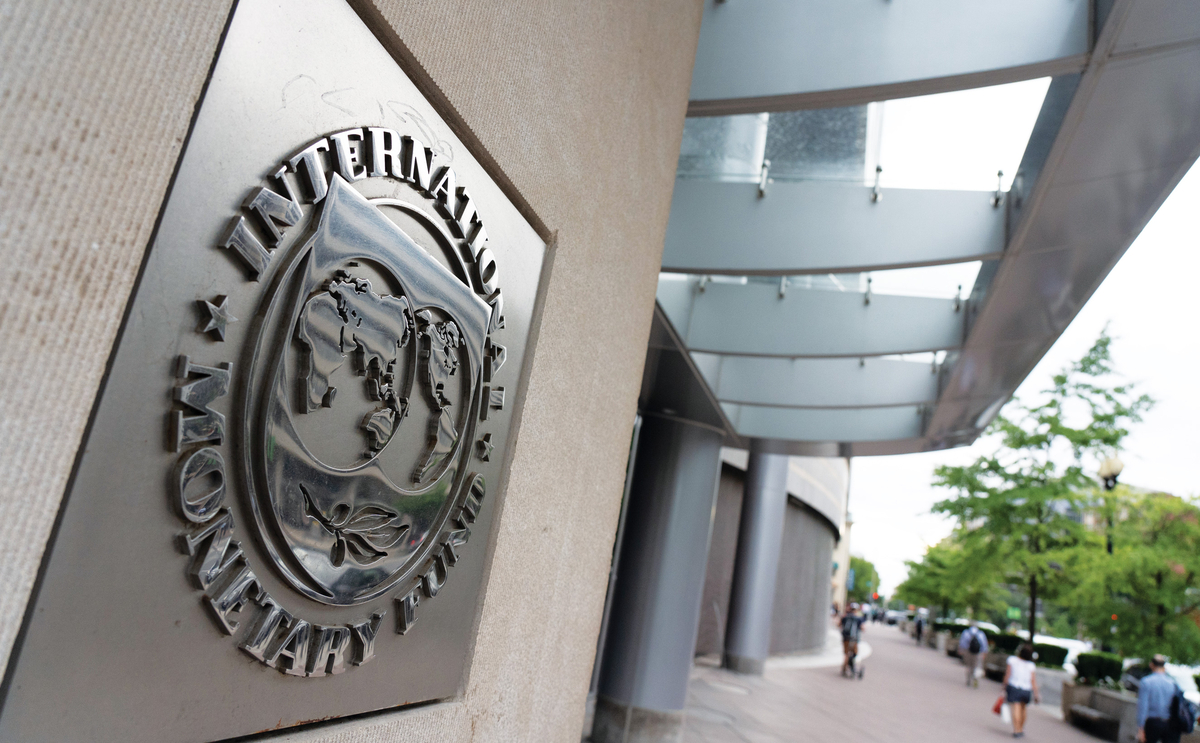
Sub-Saharan African economies continue to face significant headwinds on the road to recovery after a difficult 2023, according to a comprehensive report released in October by the International Monetary Fund.

The IMF’s Regional Economic Outlook predicts economic growth in sub-Saharan Africa will fall to just 3.3% this year, down from 4% in 2022. This reversal comes as the region grapples with the ongoing impacts of slowing international demand, higher global interest rates, elevated borrowing spreads, and persistent exchange rate pressures.

But looking ahead, the report forecasts a mild rebound to 4% growth in 2024 as some macroeconomic imbalances improve. Inflation has already peaked and started to drift down in many countries, helped by falling world food and energy prices. Fiscal deficits have gradually narrowed since 2020 as governments consolidate their budgets. Public debt levels have also stabilized after rising sharply during the pandemic.

“Inflation is coming down in over 40% of countries, although rates are still above pre-pandemic levels,” the report states. “For countries where expectations are not well anchored, the longer elevated inflation persists the greater the prospect of spiraling second-round effects.”

RELATEDPOSTS

Minority EABL investors lose Sh12 billion in paper gains after share price pullback

January 15, 2026

NSE ranks second in Africa for dollar returns in 2025

January 12, 2026

Read more: Report: Kenya banks resilient but face rising risks

On exchange rates, the IMF argues countries should allow greater flexibility amid strong fundamental pressures rather than trying to defend currencies. “Efforts to resist fundamentals-based movements also come at a significant cost,” the report says, including disrupted imports, lower growth, and further funding squeezes.

Even with the tentative signs of steadying, the IMF cautions risks remain tipped to the downside. Inflation still sits in double digits in 14 sub-Saharan countries. Debt vulnerabilities are elevated, with over half of low-income countries at high risk of debt distress. And the divergence between resource-intensive and more diversified economies is widening, threatening shared prosperity.

Moreover, recent political instability has underscored the implications of fragility in the region. The report highlights a marked uptick in coups and attempted coups, from just one in the 2010s to 11 since 2020.

Given limited fiscal space across sub-Saharan Africa, the IMF report calls for increased donor support from the international community. It notes the IMF itself has already provided $55 billion in emergency financing since the pandemic began. But the Fund’s ability to sustain high lending levels depends on securing additional resources.

The report concludes that “reforms and funding need to go hand-in-hand” for the region to navigate its rocky recovery and put growth on a more solid footing looking ahead.

Previous Post

Report: Kenya banks resilient but face rising risks

Next Post

Kenya’s banking sector defies economic woes, records impressive growth

Brian Murimi

Brian Murimi

Brian Murimi is a journalist with major interests in covering tech, corporates, startups and business news. When he's not writing, you can find him gaming, watching football or sipping a nice cup of tea. Send tips via bireri@thesharpdaily.com

Related Posts

News

Unit Trusts: Investment Vehicles or Just Sophisticated Savings?

January 16, 2026
News

Kenya Must Shift From Reactive Drought Aid to Proactive Prevention to End the Cycle of Crisis

January 16, 2026
News

Building Up, Not Out: The Economic Trade-Offs of High-Rise Housing

January 16, 2026
News

The Economics of East African Integration: Progress, Frictions, and the Road Ahead

January 16, 2026
News

Influencers, Social Media, and the New Economics of Business Growth

January 16, 2026
News

Investment Laws and Their Impact on Foreign Direct Investment in Kenya

January 16, 2026

LATEST STORIES

Unit Trusts: Investment Vehicles or Just Sophisticated Savings?

January 16, 2026

Kenya Must Shift From Reactive Drought Aid to Proactive Prevention to End the Cycle of Crisis

January 16, 2026

Building Up, Not Out: The Economic Trade-Offs of High-Rise Housing

January 16, 2026

The Economics of East African Integration: Progress, Frictions, and the Road Ahead

January 16, 2026

Influencers, Social Media, and the New Economics of Business Growth

January 16, 2026

Investment Laws and Their Impact on Foreign Direct Investment in Kenya

January 16, 2026

Mobile Money Meets the Stock Market

January 16, 2026

Kenya’s Current Account Deficit: Risks, Realities, and Economic Opportunities

January 16, 2026
  • About Us
  • Meet The Team
  • Careers
  • Privacy Policy
  • Terms and Conditions
Email us: editor@thesharpdaily.com

Sharp Daily © 2024

No Result
View All Result
  • Home
  • News
    • Politics
  • Business
    • Banking
  • Investments
  • Technology
  • Startups
  • Real Estate
  • Features
  • Appointments
  • About Us
    • Meet The Team

Sharp Daily © 2024