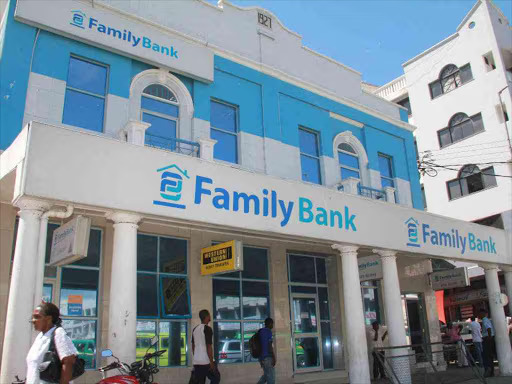
Family Bank has officially joined the Nairobi Securities Exchange (NSE), marking a significant development for Kenya’s capital markets. The bank began trading on the NSE on June 23, 2026, following its listing, making it the largest private-sector listing in Kenya in 17 years.The listing gives investors another opportunity to participate in the banking sector through the stock market. For Family Bank, joining the NSE provides access to the capital markets while increasing its visibility among investors and the wider public.
A stock market listing allows members of the public and institutional investors to buy and sell shares in a company through the exchange. Once listed, a company becomes subject to additional disclosure and reporting requirements, giving investors access to information that can help them assess the business.For Family Bank, the NSE listing places the bank alongside other publicly traded financial institutions in Kenya. Investors can now follow its financial performance, share-price movements, dividends and other announcements through the market.The listing also expands the range of banking stocks available to investors. Kenya’s banking sector has traditionally been one of the more prominent sectors on the NSE, with listed institutions including KCB Group, Equity Group, Co-operative Bank and NCBA Group.
For someone considering Family Bank shares, the listing itself is not enough reason to invest. Investors need to understand the company’s financial performance, growth strategy, profitability, dividend policy and risks.Share prices can rise or fall depending on company performance, investor sentiment, economic conditions and developments within the financial sector. Investors should therefore look beyond the excitement surrounding a new listing and consider whether the investment fits their financial goals, time horizon and risk tolerance.The bank’s future financial results will also be important. Investors can monitor its revenue, profitability, loan book growth, asset quality and capital position as more results become available as a listed company.
Family Bank’s entry comes at a time when increasing participation and new investment opportunities remain important for Kenya’s capital markets. A wider range of listed companies can give investors more options when building diversified portfolios.For retail investors, the development is also an opportunity to learn how equity investing works in practice. Buying a share means owning a small portion of a company, with potential returns coming from share-price appreciation and, where applicable, dividends.However, equity investments carry risk, and past performance does not guarantee future returns.Ultimately, Family Bank’s NSE listing gives Kenyan investors another company to follow and assess. The next chapter will depend on how the bank performs as a publicly traded institution and how the market values its future prospects.