Being self-employed comes with flexibility and independence, but it also means taking full responsibility for your financial future. Unlike salaried employees who may have automatic pension contributions, self-employed individuals must deliberately create a retirement plan. Starting early can make the process easier and give your savings more time to grow.
The first step is to determine what you want your retirement to look like. Consider the age at which you would like to retire, the lifestyle you expect to maintain, and the expenses you will need to meet. Think about housing, healthcare, food, family responsibilities, travel and other regular costs. Having a clear retirement goal helps you determine how much you need to save and gives you a target to work towards.
Since income can vary from month to month when you are self-employed, it is important to develop a consistent savings habit. Instead of waiting until you have surplus cash, set aside a specific amount or percentage of your income for retirement. Treat retirement savings as a regular financial commitment. During months when your business performs well, consider making additional contributions to strengthen your retirement fund.
Self-employed individuals can also join an individual or personal retirement benefits scheme and make contributions based on their income and financial capacity. A retirement scheme provides a structured way to build long-term savings while allowing contributions to be invested and grow over time. The earlier you start, the more time your savings have to benefit from compound growth.


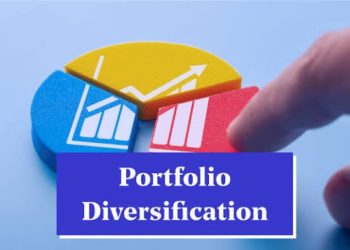
It is also important to diversify your investments rather than relying on a single asset. Depending on your risk tolerance, financial goals and investment horizon, retirement savings can be invested across different asset classes such as government securities, equities, fixed-income investments, property and other regulated investment products. Diversification helps spread risk while creating opportunities for long-term growth.
Retirement savings should also be supported by an emergency fund. Having money set aside for unexpected expenses or periods of low business income reduces the likelihood of having to withdraw from your retirement savings. Your retirement plan should be reviewed regularly as your income, business performance and financial responsibilities change. As your income grows, consider increasing your contributions accordingly.
Ultimately, retirement planning for the self-employed starts with taking action. You do not need to begin with a large amount. What matters is starting early, saving consistently, investing wisely and gradually increasing your contributions. Retirement planning is about building financial independence and ensuring that the income you generate today can support the life you want tomorrow.