Running out of money in retirement is one of the biggest financial fears people carry into their later years. It is also one of the most avoidable. With the right approach, the right habits, and a clear understanding of the risks involved, it is possible to build a retirement income that lasts as long as you need it to. The key is planning ahead and making informed decisions before and during retirement.
The starting point is knowing how much you are likely to need. Many people underestimate how long retirement will last. With life expectancy rising, a person retiring at sixty could spend thirty years or more in retirement. That is a long time to make savings last. Thinking carefully about your expected lifestyle, your likely expenses, and the age at which you plan to retire gives you a clearer picture of the target you are working toward.
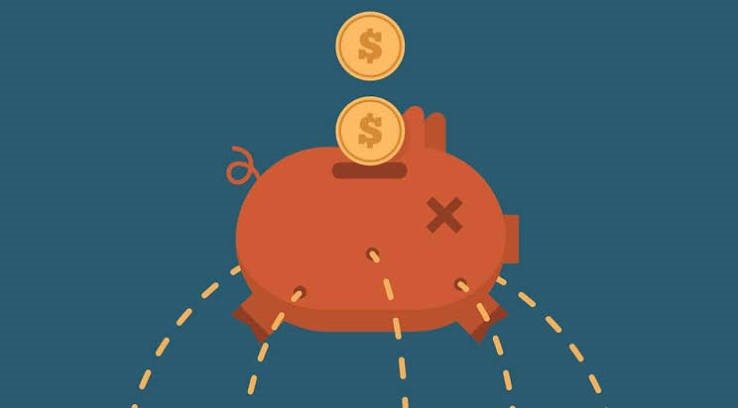
Withdrawing too much too soon is one of the most common ways people deplete their retirement savings faster than expected. It can be tempting to spend more freely in the early years of retirement when health and energy are good. But drawing down savings at a high rate in the early years leaves less money invested and less time for the remaining savings to grow. A sustainable withdrawal rate is one that allows savings to last the full length of retirement without running dry.
Inflation is a quiet but persistent threat to retirement income. Even at a low annual rate, inflation steadily reduces the purchasing power of a fixed income over time. A pension that covers all expenses comfortably at the start of retirement may feel increasingly stretched ten or fifteen years later if it does not grow in line with rising prices. Building inflation protection into a retirement income plan is an important step that is easy to overlook.


Diversifying sources of retirement income reduces the risk of relying too heavily on any single source. A retirement income built from a combination of pension payments, personal savings, investment income, and where applicable, rental income or part time work, is generally more resilient than one that depends entirely on a single pot of money. If one source is affected by market conditions or unexpected costs, others can help fill the gap.
In Kenya, NSSF benefits form a basic layer of retirement income for formal sector workers. But as already widely acknowledged, NSSF payments alone are unlikely to be sufficient for most people. Those with occupational pension schemes registered with the Retirement Benefits Authority have an additional layer of income to draw on. Beyond these, personal savings, investment portfolios, and other assets play an important role in building a retirement income that is genuinely sustainable.
Healthcare costs are one of the most significant and least predictable expenses in retirement. As people age, medical needs tend to increase. Without adequate health coverage, a serious illness or ongoing medical condition can rapidly erode retirement savings. Planning for healthcare costs, whether through insurance, a dedicated savings fund, or both, is an essential part of making money last in retirement. In Kenya, the National Hospital Insurance Fund provides a level of healthcare coverage, but many retirees find it necessary to supplement this with private medical insurance.
Keeping a close eye on spending is just as important in retirement as it is during working life. Having a clear budget and reviewing it regularly helps identify areas where spending is creeping up and allows adjustments to be made before small problems become bigger ones. Retirement does not mean the end of financial discipline. It means applying that discipline in a new context with a different set of priorities.
Unexpected expenses are a reality of life at any age. In retirement, they can be particularly disruptive if savings are already being drawn down. Maintaining an emergency fund, separate from the main retirement pot, provides a buffer that protects long term savings from short term shocks. Even a modest emergency fund can make a significant difference when an unexpected cost arises.
Continuing to invest during retirement, rather than moving all savings into cash, can help retirement funds last longer. Keeping a portion of savings in growth assets means the fund continues to benefit from investment returns even while withdrawals are being made. The balance between growth and stability should shift as retirement progresses, with more conservative investments becoming appropriate as the years pass. But abandoning growth entirely too early can leave savings vulnerable to the effects of inflation and longevity.
Seeking regular financial advice during retirement is a habit that pays off. Circumstances change, markets move, and personal needs evolve. A retirement income plan that made sense at sixty may need adjusting at seventy. Working with a regulated financial adviser who understands your situation helps ensure that your plan remains appropriate and that your money continues to work as effectively as possible.
Running out of money in retirement is a risk, but it is not an inevitable one. With realistic planning, disciplined spending, diversified income, and regular reviews, it is entirely possible to build a retirement that is financially secure from start to finish.