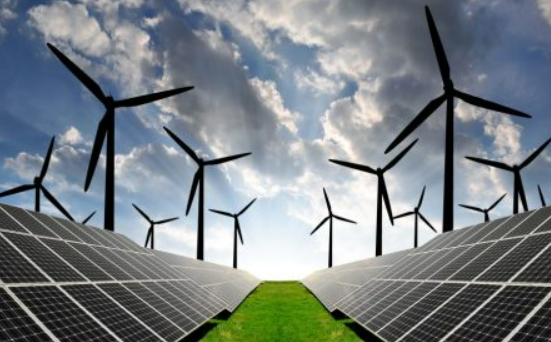
The global transition toward clean energy is reshaping investment priorities, industrial development, and economic growth across both developed and emerging markets. Governments, development finance institutions, and private investors are directing increasing amounts of capital toward renewable energy, sustainable infrastructure, and low-carbon technologies in response to climate change, energy security concerns, and international commitments to reduce greenhouse gas emissions. As climate finance expands, countries with strong renewable energy resources and supportive investment environments are attracting greater long-term capital while strengthening their competitiveness in the global green economy.
Renewable energy investment has become one of the fastest-growing segments of global infrastructure finance. Countries are diversifying their energy sources to reduce dependence on fossil fuels, improve energy security, and support more sustainable economic growth. At the same time, financial institutions are integrating environmental, social, and governance (ESG) considerations into investment decisions, directing more resources toward projects that promote environmental sustainability, climate resilience, and responsible economic development. This shift reflects the growing recognition that climate-related investments can generate competitive long-term returns while reducing environmental and transition risks.
Climate finance has also evolved into an important source of development financing beyond traditional environmental programmes. Financial instruments such as green bonds, sustainability-linked loans, blended finance, and carbon markets are expanding access to capital for renewable energy projects, climate-resilient infrastructure, sustainable agriculture, clean transportation, and environmental conservation initiatives. These financing mechanisms allow governments and businesses to mobilize private investment while reducing reliance on conventional funding sources. As global demand for sustainable investment continues to increase, climate finance is becoming a central pillar of long-term infrastructure and economic development.
Technological innovation is further accelerating demand for clean energy. The rapid adoption of electric vehicles (EVs), energy-efficient buildings, cloud computing, artificial intelligence (AI), and large-scale data centers is increasing electricity consumption while reinforcing the need for reliable, affordable, and sustainable power generation. As economies become more digital, access to dependable renewable energy infrastructure is becoming an increasingly important competitive advantage for countries seeking to attract technology companies, manufacturers, and long-term investors.


For Kenya, these global trends present significant economic opportunities. The country already possesses one of Africa’s cleanest electricity generation mixes, with geothermal, hydropower, wind, and solar energy accounting for the majority of national electricity generation. This diversified renewable energy base strengthens Kenya’s position as an attractive destination for green manufacturing, digital infrastructure, and climate-focused investment. Continued expansion of geothermal generation, utility-scale solar projects, and wind farms can improve energy security while supporting industrial growth, export competitiveness, and long-term economic resilience.
Kenya is also well positioned to benefit from the expanding availability of climate finance. Increased investment in sustainable agriculture, electric mobility, green buildings, water management systems, and carbon credit projects can mobilize additional private capital while advancing the country’s climate adaptation and mitigation objectives. These investments can stimulate employment, improve environmental sustainability, and strengthen the country’s transition toward a low-carbon economy.
Realizing these opportunities will require continued improvements in Kenya’s investment environment. Strengthening regulatory frameworks, modernizing electricity transmission and distribution infrastructure, expanding access to affordable financing, and encouraging greater private sector participation in renewable energy development will be critical to sustaining investor confidence. Clear and predictable policies, together with efficient implementation of climate-related projects, can further enhance Kenya’s attractiveness as a destination for long-term green investment.
The global energy transition is reshaping capital flows by placing renewable energy and climate finance at the center of economic development strategies. For Kenya, leveraging its abundant renewable energy resources while strengthening its green investment ecosystem provides an opportunity to attract international capital, accelerate industrialization, support sustainable infrastructure development, and create quality employment opportunities. As demand for low-carbon investment continues to grow, Kenya has the potential to strengthen its position as a regional leader in clean energy and the broader green economy.