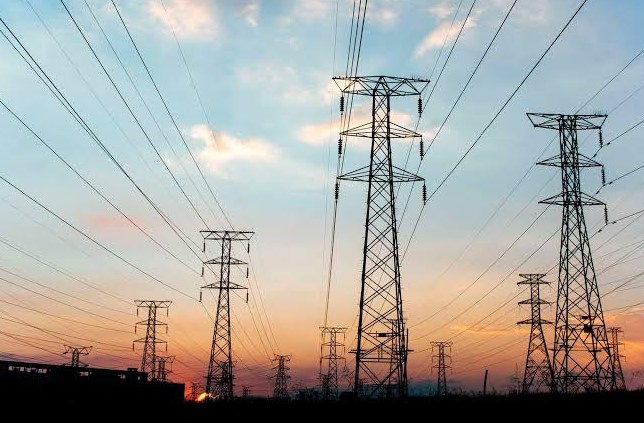
Kenya is reviewing a major private sector investment proposal to expand its electricity transmission network as the government seeks alternative ways of financing critical infrastructure. The proposed investment, submitted to the Kenya Electricity Transmission Company (KETRACO), aims to develop new high-voltage transmission lines through the Public-Private Partnership (PPP) framework. If approved, the projects could strengthen electricity supply, improve grid reliability and reduce the immediate financial burden of infrastructure development on the government.
According to KETRACO, the company has received privately initiated proposals from three firms to develop five electricity transmission projects valued at between Kshs 50 bn and Kshs 65 bn The proposals have been submitted under the Public Private Partnerships Act and are currently undergoing technical evaluation and public participation before any procurement decisions are made.
The proposed projects form part of KETRACO’s long-term strategy to strengthen Kenya’s national electricity transmission network. They include the construction of approximately 420 kilometres of new high-voltage transmission lines together with associated substations designed to improve the movement of electricity from power generation plants to households, businesses and industries. Expanding the transmission network is expected to improve system reliability, reduce network congestion and support the country’s growing demand for electricity.
Private sector participation is becoming increasingly important in financing Kenya’s energy infrastructure. According to KETRACO, the country faces an estimated Kshs 650 bn financing gap for electricity transmission projects. The company notes that relying solely on government funding and financing from development partners is no longer sufficient to meet the country’s long-term infrastructure requirements, making public-private partnerships an important source of additional investment.


Under the PPP model, private investors finance, design, construct and maintain infrastructure for an agreed concession period before transferring the assets to the government. This financing structure enables major infrastructure projects to proceed without requiring the government to provide the full construction cost upfront. It also allows investment costs to be spread over a longer period while maintaining public oversight through regulatory approvals and concession agreements.
A reliable electricity transmission network plays a critical role in supporting economic growth. Efficient transmission infrastructure improves the delivery of electricity to homes and businesses, supports industrial production and facilitates the integration of new renewable energy projects into the national grid. As electricity demand continues to increase, investment in transmission capacity will remain essential to maintaining a stable and efficient power system.
Overall, the proposed Kshs 50 bn to Kshs 65 bn private investment represents one of Kenya’s latest efforts to accelerate infrastructure development through public-private partnerships. As the proposals progress through public participation and government review, they could help bridge the country’s transmission financing gap while strengthening the long-term reliability and resilience of Kenya’s electricity network.