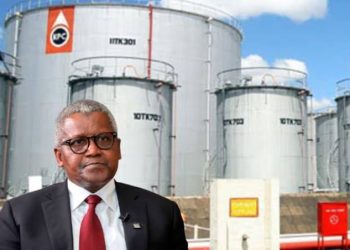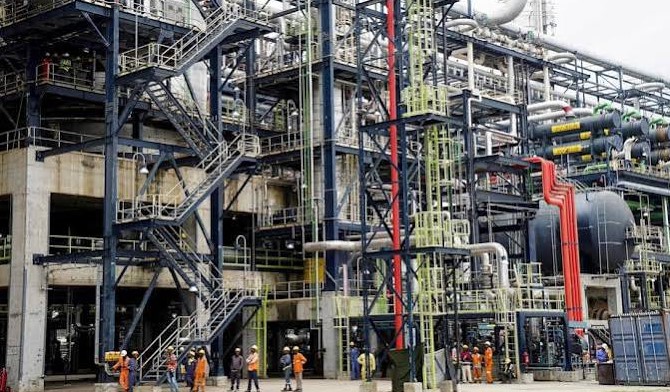
Dangote Industries has selected Lamu as the preferred location for its proposed regional oil refinery, marking a major milestone for Kenya’s energy and infrastructure sector. The planned refinery is expected to serve Kenya and neighbouring countries by processing crude oil into refined petroleum products for regional consumption and export. If the project proceeds, it would become the largest oil refinery in East Africa and strengthen the region’s fuel supply chain.
According to Dangote Industries, Lamu was chosen after the company evaluated several potential locations across East Africa. The company has confirmed that site selection has been completed, soil testing is currently underway, and engineering and design work has commenced. Once construction begins, the project is expected to take approximately three years to complete.
The proposed refinery will have a processing capacity of 700,000 barrels of crude oil per day, exceeding the 650,000 barrels per day capacity of Dangote’s existing refinery in Lagos, Nigeria. The company has indicated that the project will be financed through a combination of internally generated funds, bond issuances and proceeds from a planned initial public offering. Although the final investment cost has not been disclosed, Dangote estimates that it will be comparable to the Lagos refinery, which required an investment of more than USD 20 bn.
Lamu’s selection reflects its strategic location and existing infrastructure under the Lamu Port-South Sudan-Ethiopia Transport (LAPSSET) Corridor. The corridor was developed to support large-scale transport, logistics and energy investments, including petroleum infrastructure. Establishing a refinery within the corridor would complement these developments by creating a regional hub for processing crude oil produced across East Africa.

The proposed refinery is also expected to strengthen regional energy security. Despite increasing crude oil production within the region, many East African countries continue to depend heavily on imported refined petroleum products. Expanding local refining capacity could improve fuel availability, reduce reliance on imported fuels and support the growth of industries that depend on stable energy supplies.
Beyond the energy sector, the project represents one of the largest proposed private industrial investments in Kenya. Construction and future operations are expected to create demand for engineering services, transport, logistics, construction materials and other supporting industries, generating wider economic activity across the value chain. However, the project remains subject to the completion of engineering studies, financing arrangements and regulatory approvals before a final investment decision is made.
Overall, Dangote Industries’ decision to select Lamu for its proposed regional refinery highlights Kenya’s growing role as an energy and logistics hub in East Africa. With a planned processing capacity of 700,000 barrels per day and an investment expected to exceed USD 20 bn, the project has the potential to strengthen regional fuel supply, enhance industrial development and support long-term economic growth if it proceeds to construction.