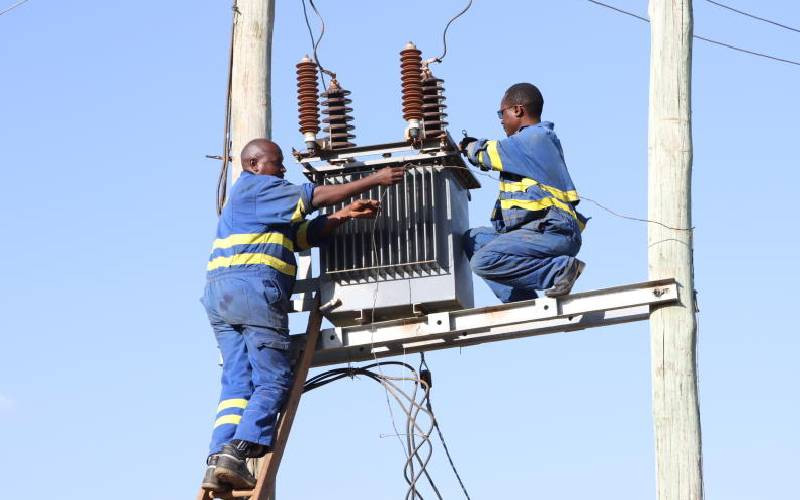
Kenya Power is set to double its electricity imports from Ethiopia to 400 megawatts (MW) from December 2026, up from the current 200MW, as the utility firm works to close a widening gap between rising domestic demand and local generation capacity.
The additional 200MW will be drawn under the terms of the existing power purchase agreement (PPA) between Kenya Power and Ethiopian Electric Power (EEP), meaning the extra capacity will be bought at the same price already in place, rather than under a fresh negotiation. The arrangement stems from a 25-year agreement signed in 2022, which had always envisaged imports rising to 400MW once the initial supply period elapsed and transmission infrastructure allowed for it.
Kenya has imported 200MW of largely hydropower generated electricity from Ethiopia since November 2022, delivered via the 1,045 kilometre Ethiopia-Kenya High Voltage Direct Current (HVDC) interconnector. The $1.26 billion transmission line, which runs from Wolayta-Sodo in Ethiopia to Suswa in Kenya, has a capacity of 2,000MW and was financed largely by the World Bank and the African Development Bank as part of efforts to boost regional electricity trade under the Eastern Africa Power Pool.
The move comes as Kenya’s electricity demand continues to climb, driven by industrial growth, urban expansion, rising household connections, and the electrification of transport. Kenya recorded a record peak demand of 2,439MW in December 2025, and the country’s spinning reserves the backup capacity needed to respond quickly to outages have remained below the recommended safety threshold in recent years.


Officials have said the additional Ethiopian power, together with new geothermal capacity coming online in Menengai and the rehabilitation of the Olkaria I plant, should help restore reserve margins closer to safe levels and reduce the risk of widespread blackouts.
Ethiopian hydropower has proven a relatively low cost source of electricity for Kenya compared with expensive thermal generation, with the World Bank estimating Kenya saved around $10 million in the first year of the import arrangement. The doubling of imports underscores Kenya’s growing reliance on regional power markets to complement domestic generation, even as it raises longer-term questions about energy dependence on a neighbouring country.