The Sovereign Drive for Domestic Debt
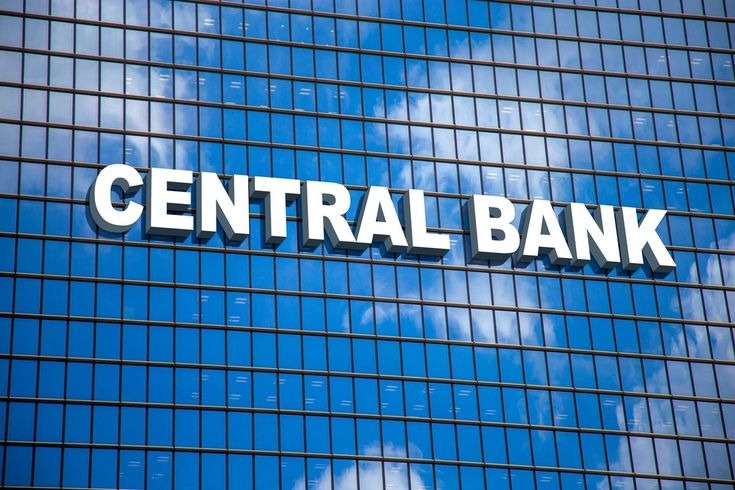
The Central Bank of Kenya (CBK) recently launched a significant push to address the national budget deficit by announcing the reopening of two long-term, fixed-coupon Treasury bonds to raise Ksh 40.0 bn for budgetary support. Specifically, this aggressive issuance of the 20-year bond (FXD1/2019/020) and the 25-year bond (FXD1/2022/025) is expected to trigger significant shifts in retail capital allocations across the domestic financial market. Consequently, by targeting a substantial domestic pool, the fiscal agent is aiming to lock in long-term debt and smooth out maturity pressures, directly reshaping how individual savers distribute their money.
Democratizing Government Paper via DhowCSD
To maximize the success of this Ksh 40.0 bn raise, the monetary authority is actively driving retail participation by leveraging the digital DhowCSD platform. In particular, the prospectus structures non-competitive bids with a low minimum entry threshold of Ksh 0.1 mn to systematically capture a larger share of retail capital allocations. Therefore, by making risk-free government paper easily accessible directly via mobile phones and web portals, the state is bypassing traditional institutional gatekeepers and positioning itself as the premier destination for small-scale savers.
The Private Sector Crowding-Out Effect
However, this aggressive democratization of high-yielding government paper introduces a stark “crowding-out” threat to private sector credit and alternative investment platforms alike. Because these bonds offer lucrative, virtually risk-free coupon rates of 12.9% and 14.2%, they naturally draw retail capital allocations away from riskier private enterprises. Furthermore, commercial banks are highly motivated to buy up these yield-heavy papers, restricting credit to local businesses as public debt increasingly monopolizes individual savings.
Squeezing Wealth Management and Money Market Funds
In addition to squeezing private credit, this structural shift poses a serious competitive threat to the wider wealth management sector, particularly Money Market Funds (MMFs). Historically, individual savers looking for high yields turned to these pooled funds, but the low entry threshold of the reopened bonds has fundamentally altered the dynamics of retail capital allocations. As a result, private fund managers must urgently restructure their product offerings and boost yields to prevent a massive migration of capital directly into sovereign debt.


Balancing Fiscal Needs and Economic Distortion
Ultimately, while the CBK’s bond reopening provides an elegant digital solution to the government’s immediate funding requirements, it simultaneously creates complex ripples throughout the wider economy. Indeed, the dual bond offering successfully lowers the barrier of entry for everyday Kenyan savers, but it fundamentally distorts retail capital allocations by driving up borrowing costs for the private sector. Consequently, as long as risk-free government yields remain highly attractive, the domestic investment landscape will continue to tilt heavily toward state-backed assets.