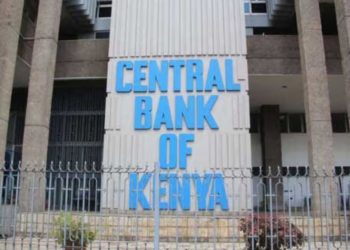
The CBK rate hold impact tightly squeezes the Kenyan private sector. On June 9, 2026, the Monetary Policy Committee maintained the Central Bank Rate at 8.75%. This second consecutive hold shows a clear choice by Governor Dr. Kamau Thugge and his team. They prioritize defensive macroeconomic stability over aggressive growth expansion. By anchoring the policy rate, the regulator builds a buffer against unpredictable external shocks. They are monitoring domestic price stability before cutting rates.
Shilling Stability and the CBK Rate Hold Impact
The Kenyan Shilling has stabilized around 129.54 to the US dollar as of mid-June 2026. This hard-won stability justifies the central bank’s cautious approach. It provides predictability for an economy that imports energy, manufacturing inputs, and technology. A premature rate cut risked triggering capital flight. It would have pressured the local currency and inflated external dollar obligations.
However, the severe CBK rate hold impact keeps ground-level corporate credit restrictive. Creeping domestic price pressures complicate things further. Headline inflation ticked up to 6.68% in May 2026. Volatile global energy markets and persistent supply chain friction drive this upward trend. Core inflation remains stubborn despite high interest rates. The policy hold reminds businesses that the regulator fears excess market liquidity. The central bank wants to suppress demand to keep prices within target bounds.
Commercial Borrowing and the Monetary Policy Squeeze
Elevated rates keep commercial bank lending locked at an average of 14.69%. Recent central bank data confirms this high cost. Standard bank financing is now too expensive for business expansion. Many enterprises rely on overdrafts or short-term commercial loans to fund inventory and daily operations. These double-digit borrowing costs drain net margins. Furthermore, companies cannot easily pass these costs to price-sensitive consumers.


This specific CBK rate hold impact visibly alters local capital allocation. The domestic yield curve heavily rewards passive, risk-free investment. At the close of June 2026, the 91-Day Treasury Bill yield hovers around 8.82%. This return tracks closely with the baseline rate. High risk-free returns create a crowded-out effect in the financial sector. Institutional investors and commercial banks prefer short-term government debt. They choose secure government assets over private sector credit.
Navigating the CBK Rate Hold Impact in Corporate Finance
Corporate finance professionals and investment analysts must re-engineer traditional capital management strategies. High interest rates and a stable currency change the game. Debt costs hover near 15%, so fueling growth through leverage causes massive inefficiency. This strategy risks long-term solvency. Instead, companies must focus entirely on internal working capital optimization. Finance teams should tighten credit terms for buyers and maintain lean inventory. This approach minimizes cash conversion cycles and preserves liquid reserves.
Ultimately, the central bank’s stance highlights a major disconnect. Macro-level stability indicators do not match micro-level corporate realities in Kenya. Shilling defense and inflation containment protect long-term economic health. However, the immediate price is a sustained liquidity squeeze. This environment forces businesses to prioritize survival over market expansion. Success in late 2026 belongs to agile firms. These companies will out-maneuver elevated costs through strict financial discipline and efficient cash generation.