Kenya’s economic development model has increasingly relied on infrastructure investment as a catalyst for long-term growth, regional competitiveness, and private sector expansion. Roads, railways, ports, energy projects, and airports have formed the backbone of this strategy, requiring substantial capital commitments that domestic revenues alone have often been unable to finance. Consequently, external borrowing continues to play a central role in supporting the country’s development agenda.
Recent financing discussions have once again brought the issue of debt sustainability into focus. Kenya is expected to receive approximately KSh96.9 billion in financing support from the World Bank to assist with budgetary needs and fiscal reform programs aimed at strengthening macroeconomic stability and improving public sector efficiency. Such support provides an important source of liquidity at a time when governments across emerging markets are navigating tighter global financial conditions and rising debt servicing costs.
At the same time, Kenya has secured financing arrangements for the expansion of Jomo Kenyatta International Airport, one of the country’s most strategically important infrastructure assets. The project, valued at approximately KSh154 billion, is expected to increase annual passenger handling capacity from 7.5 million to 22 million passengers. The expansion is designed to strengthen Nairobi’s role as a regional transport and logistics hub while supporting tourism, trade, and business travel across East Africa.
The rationale behind infrastructure-led borrowing is straightforward. Improved transport networks reduce transaction costs, enhance market access, increase productivity, and attract private investment. Similar arguments supported previous investments in major transport and energy infrastructure projects, which were intended to generate wider economic benefits beyond their immediate financial returns.

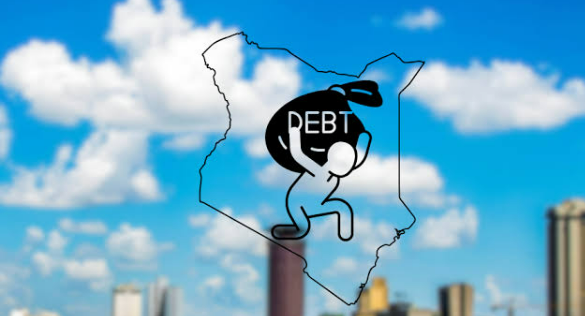
Nevertheless, concerns regarding the pace of debt accumulation remain significant. Kenya’s public debt stock exceeded KSh12.8 trillion by April 2026, reflecting years of borrowing to finance both development expenditure and recurring fiscal deficits. As debt levels rise, a larger share of government revenue is allocated to interest and principal repayments, reducing fiscal flexibility and limiting resources available for healthcare, education, and other public services.
In response, policymakers have increasingly focused on improving debt management rather than simply reducing borrowing. One notable strategy has involved restructuring selected Chinese loans by converting portions of debt obligations from United States dollar-denominated facilities into Chinese yuan-denominated financing. The adjustment is expected to reduce annual debt servicing costs by approximately USD215 million by lowering exposure to exchange rate fluctuations and improving repayment terms.
For investors and policymakers alike, the central issue is not necessarily the existence of debt but its quality and productivity. Borrowing that finances projects capable of generating economic returns, expanding productive capacity, and increasing future revenues can strengthen long-term fiscal sustainability. Conversely, debt-financed projects that fail to generate sufficient economic value may increase fiscal vulnerabilities and weaken investor confidence.
Kenya’s long-term success will therefore depend on maintaining a careful balance between financing development priorities and preserving macroeconomic stability. Achieving this balance will require disciplined project selection, efficient implementation, transparent financing structures, and continued efforts to improve debt sustainability while supporting economic transformation.