A powerful, health-driven transformation is rapidly unfolding within household energy consumption across Kenya. According to a recent report by John Mutus in the Business Daily, the nation is experiencing a massive behavioral shift: traditional, environmentally taxing fuels are being abandoned in favor of Liquified Petroleum Gas (LPG). For business professionals, policymakers, and everyday consumers following market trends, this transition serves as a brilliant case study in how targeted fiscal policies can successfully drive the adoption of clean cooking fuel.
A Dramatic Reversal in Energy Habits
The latest official data paints a stark picture of a market in transition. Over the span of just five years, kerosene consumption has tumbled by a staggering 60.3 percent—dropping from 111.3 tonnes in 2021 to a mere 44.1 tonnes last year.
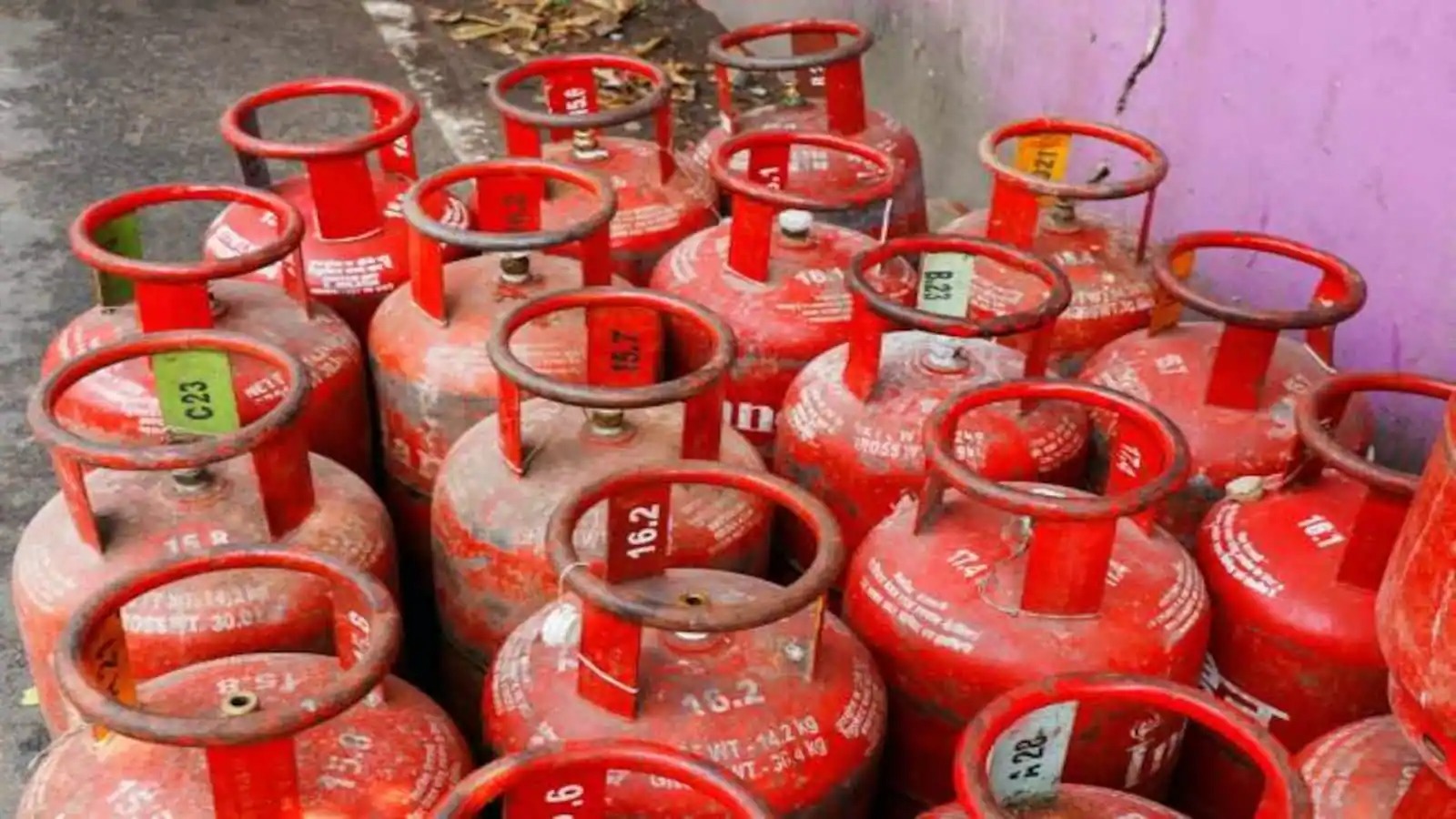
Conversely, the appetite for LPG has skyrocketed. Last year, homes and commercial enterprises utilized 475,950 tonnes of cooking gas, marking a robust 28.2 percent increase from the 371,400 tonnes consumed in 2021. This inverse relationship is not accidental; it represents a deliberate migration away from dirty energy sources that pose significant health and environmental risks.
The “Carrot and Stick” Policy Engine
What is driving this rapid pivot? The Kenyan government has deployed a highly effective, two-pronged economic strategy to steer consumer behavior.


-
The Incentives (The Carrot): To make LPG more accessible and affordable, lawmakers stripped away significant financial barriers. This included scrapping the eight percent Value Added Tax (VAT), the 3.5 percent Import Declaration Fee, and the two percent Railway Development Levy.
-
The Deterrents (The Stick): Simultaneously, the government made kerosene intentionally less attractive. By introducing a Sh18 anti-adulteration levy and completely removing state subsidies, the fuel became considerably costlier, effectively discouraging its widespread use.
Kenya’s Economic Edge and Regional Dominance
When analyzing the broader East African landscape, Kenya’s role as a regional pace-setter in the shift to clean cooking fuels is undeniable. Kenya’s annual LPG consumption of nearly 476,000 tonnes is more than double the combined total of its immediate neighbors—Uganda, Tanzania, and Rwanda—which sits at an estimated 182,800 tonnes. Breaking down the regional figures, Tanzania consumes approximately 145,800 tonnes, while Uganda and Rwanda trail at 25,000 tonnes and 12,000 tonnes, respectively.
This dominance is deeply rooted in macroeconomics. As the World Bank highlights, the affordability of clean energy solutions is inextricably linked to consumer purchasing power. It is no surprise, then, that Kenya—the region’s largest economy with a GDP of $135.68 billion—leads the pack, sitting comfortably ahead of Tanzania ($89.9 billion), Uganda ($66.01 billion), and Rwanda ($16 billion).
Concluding Insight
Kenya’s transition from kerosene to cooking gas is a monumental victory for both public health and environmental sustainability. As noted by the Petroleum Institute of East Africa (PIEA), reducing our dependence on biomass and kerosene directly translates to better living conditions and expanded household access to clean energy. By leveraging smart taxation and economic levers, Kenya has not only cleared the air in its own kitchens but has also provided an actionable blueprint for neighboring developing economies.
Source Attribution: This commentary is based on the original reporting in the article “Kerosene use drops to new low as more homes turn to cooking gas,” authored by John Mutus and published in the Business Daily.