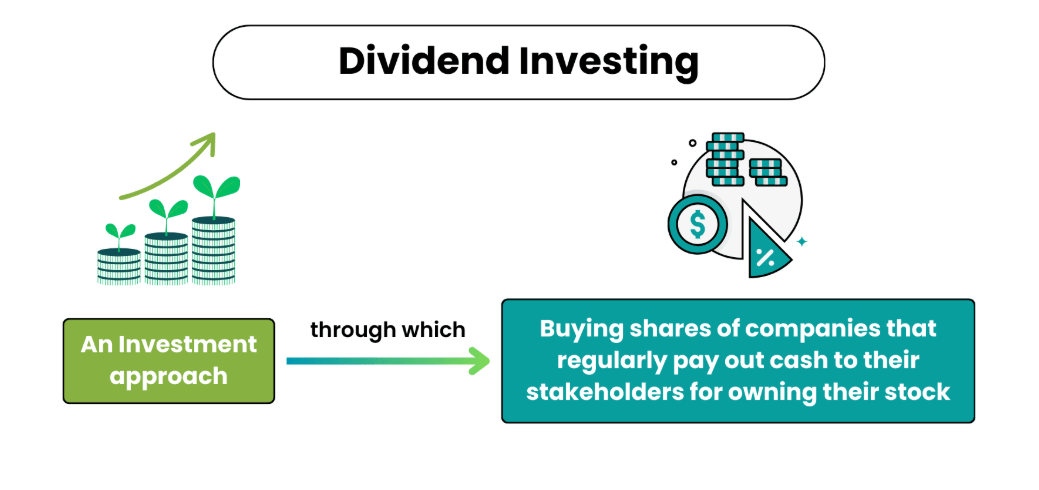
Dividend investing is a widely recognized investment strategy that focuses on acquiring shares in companies that regularly distribute a portion of their profits to shareholders in the form of dividends. While capital appreciation remains an important source of investment returns, dividends provide an additional stream of income that can contribute significantly to long-term wealth creation. For many investors, particularly those with long investment horizons, dividend-paying stocks represent an important component of a balanced portfolio.
One of the key advantages of dividend investing is the potential for a steady income stream. Companies that consistently pay dividends are often established businesses with stable cash flows and mature operations. Regular dividend payments can provide investors with predictable cash inflows, which may be used to supplement income or reinvest into additional investments. This feature makes dividend-paying stocks attractive to investors seeking a balance between income generation and capital growth.
Dividend reinvestment is another important aspect of this strategy. Instead of receiving cash payouts, investors may choose to reinvest dividends by purchasing additional shares. Over time, this process can accelerate portfolio growth through the power of compounding. As the number of shares owned increases, future dividend payments may also grow, potentially enhancing long-term investment returns without requiring additional capital contributions.
Dividend-paying companies are often associated with financial strength and disciplined capital management. Businesses that maintain consistent dividend policies typically demonstrate stable earnings, healthy cash flows, and prudent financial planning. While dividend payments are not guaranteed, companies with a long history of maintaining or gradually increasing dividends are often viewed as financially resilient.


Dividend investing also plays an important role in portfolio diversification. Different sectors exhibit varying dividend characteristics. Utilities, financial institutions, consumer goods companies, and telecommunications firms have traditionally been among the sectors that distribute regular dividends. Including dividend-paying stocks from multiple industries can help reduce concentration risk while providing exposure to different segments of the economy.
Macroeconomic conditions can influence dividend investing. During periods of economic expansion, companies may experience stronger earnings that support dividend growth. Conversely, economic slowdowns or declining profitability may lead some businesses to reduce or suspend dividend payments to preserve cash. Investors therefore often evaluate dividend sustainability alongside broader financial performance and economic conditions.
Interest rate movements also affect the attractiveness of dividend-paying stocks. When interest rates are relatively low, dividend yields may become more attractive compared to returns available from fixed-income investments. However, rising interest rates can increase the appeal of bonds and other income-generating securities, potentially influencing investor demand for dividend stocks.
While dividend yield is an important consideration, investors should avoid focusing solely on the highest yields. An unusually high dividend yield may result from a declining share price rather than improving company performance. Evaluating payout ratios, earnings stability, cash flow generation, and long-term business fundamentals provides a more comprehensive assessment of dividend sustainability.
Dividend investing is generally most effective when combined with a long-term investment perspective. Market prices may fluctuate over short periods, but consistent dividend income and reinvestment can help smooth overall portfolio performance and contribute to wealth accumulation over time.
In conclusion, dividend investing remains an important strategy for investors seeking both income and long-term growth. By emphasizing financially sound companies with sustainable dividend policies, investors can benefit from regular cash flows, portfolio diversification, and the potential advantages of compounding. As part of a well-diversified investment approach, dividend investing continues to be a valuable tool for building long-term financial resilience.