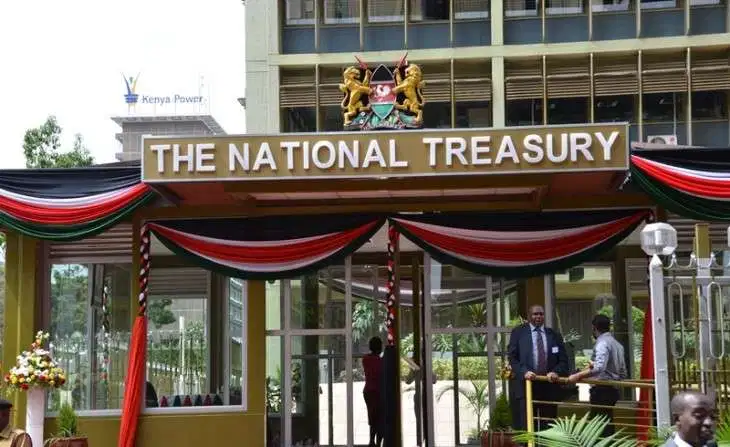
Kenya has taken a significant step towards sustainable development by linking a KES 64.8 billion bond to key environmental and social targets, including forest conservation and increased access to electricity. The innovative financing initiative demonstrates the country’s commitment to balancing economic growth with climate action and social development.The bond, structured as a sustainability-linked financing instrument, connects the cost and performance of borrowing to measurable environmental and social outcomes. Unlike traditional bonds, sustainability-linked bonds encourage issuers to meet predefined targets, creating accountability while attracting investors interested in environmental, social, and governance (ESG) investments.
A major component of the initiative is forest protection. Kenya has been working to increase its forest cover to meet national and international climate commitments. Forests play a critical role in carbon sequestration, biodiversity conservation, water catchment protection, and climate resilience. By tying financial performance to forest conservation goals, the government aims to strengthen efforts to restore degraded landscapes and curb deforestation.The financing also seeks to expand electricity access across the country. While Kenya has made substantial progress in electrification over the past decade, some rural and underserved communities still face challenges in accessing reliable power. Increased electricity access supports economic growth, enhances education and healthcare delivery, and improves the quality of life for households and businesses.
The bond aligns with Kenya’s broader green growth agenda and climate commitments under the Paris Agreement. The government has consistently emphasized renewable energy development, with the country already recognized as one of Africa’s leaders in clean energy generation. Geothermal, wind, hydro, and solar energy contribute significantly to Kenya’s electricity mix, reducing dependence on fossil fuels and lowering carbon emissions.For investors, the sustainability-linked bond presents an opportunity to support projects that generate both financial returns and measurable environmental impact. Global demand for ESG-focused investments has grown rapidly in recent years as investors increasingly seek assets that contribute to sustainable development objectives.
The move could also strengthen Kenya’s position in international capital markets by showcasing its ability to develop innovative financing mechanisms. As climate financing becomes a priority for governments and development institutions worldwide, countries that successfully integrate sustainability into their financial strategies are likely to attract greater investment interest.Experts note that the success of the bond will depend on transparent reporting, effective monitoring of performance targets, and strong implementation frameworks. Investors will closely watch progress toward forest conservation benchmarks and electrification goals to assess whether the intended outcomes are achieved.Ultimately, the KES 64.8 billion bond reflects Kenya’s growing focus on using financial markets to address pressing environmental and social challenges. By linking investment performance to forest protection and power access, the country is seeking to create long-term value while advancing sustainable development and climate resilience.