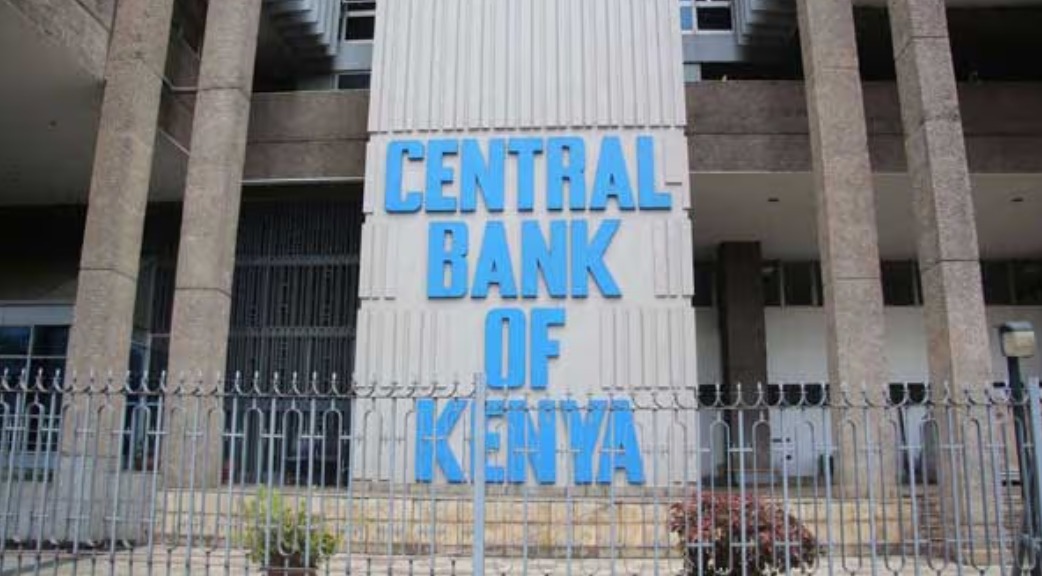
The Central Bank of Kenya (CBK) is seeking to strengthen its role as the lender of last resort through proposed amendments to the Central Bank of Kenya Act, a move that could significantly enhance the resilience of the country’s banking sector during periods of financial stress.
The proposed CBK (Amendment) Bill 2026 seeks to provide the regulator with greater flexibility in supporting commercial banks and microfinance institutions experiencing temporary liquidity challenges. Under the current framework, emergency liquidity facilities are generally offered for a maximum period of six months. The proposed changes would extend the loan tenor to up to 12 months, with CBK retaining discretion to further extend support where necessary.
The proposed reforms come as Kenya continues to modernize its financial stability framework following lessons learned from previous banking sector disruptions. The collapse of Chase Bank in April 2016 exposed weaknesses in the country’s liquidity support mechanisms, prompting the introduction of the Liquidity Support Framework (LSF) to provide targeted funding to institutions facing temporary liquidity pressures that are not linked to mismanagement.
CBK’s latest financial statements indicate that securities and advances to banks declined by 76.4 percent to Kshs 56.5 billion in the 12 months ending June 2025, from Kshs 239.8 billion recorded in the previous year. The decline reflects improved liquidity conditions across the banking sector, supported by stronger balance sheets and enhanced access to market-based funding.


Of the Kshs 56.5 billion advanced during the period, Kshs 44.9 billion was provided through the Liquidity Support Framework, highlighting the continued importance of the facility in maintaining financial system stability. Additional support included Kshs 32.0 billion through Treasury bill repurchase agreements, alongside smaller amounts advanced through discounted Treasury bills and bonds.
The proposed amendments also come at a time when Kenya’s banking sector has demonstrated stronger liquidity metrics. Industry liquidity ratios rose to 56.0 percent by December 2024, compared to 51.0 percent previously, representing a 9.8 percent improvement. The increase was largely driven by growth in liquid assets and reforms aimed at improving interbank market efficiency.
Recent monetary policy reforms have also reduced reliance on emergency support from the central bank. The modernization of the Central Securities Depository (CSD) platform through DhowCSD has enhanced the ability of banks to borrow from one another using government securities as collateral. Additionally, CBK’s interest rate corridor framework has helped align interbank lending rates more closely with the Central Bank Rate (CBR), reducing distortions that previously discouraged lending between financial institutions.
The proposed removal of restrictions on emergency lending reflects a broader global trend among central banks seeking to strengthen financial safety nets while maintaining strict oversight. By extending loan durations and granting greater discretion over liquidity support, CBK aims to prevent temporary funding pressures from escalating into broader systemic risks.
For Kenya’s banking industry, the reforms could provide an additional layer of confidence, particularly for smaller institutions that have historically faced challenges accessing liquidity from larger peers during periods of market uncertainty. If enacted, the amendments are expected to reinforce financial sector stability, enhance crisis preparedness, and support confidence in the country’s banking system as economic conditions continue to evolve.