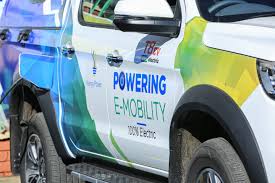


Simba Corp’s Associated Vehicle Assemblers (AVA) is spending Sh1 billion to build a dedicated electric vehicle assembly line at its Mombasa facility the investment covers specialized EV assembly equipment, factory layout modifications, technician training and certification. AVA says it is funding and building the line itself.
“Associated Vehicle Assemblers, part of the Simba Corp portfolio, is committing an estimated Sh1 billion to a dedicated electric-vehicle assembly line, with 60 trained technicians already on the floor,” the company confirmed on Wednesday, June 10, 2026.
The line is not a pilot. It is already running. AVA has begun producing vehicles for Rideence Africa and electric bus supplier BasiGo, and is in discussions with additional local and international EV firms about future production partnerships.
Simba Corp CEO Dinesh Kotecha said the group also plans to shift its own MG-branded electric cars from import to local assembly. “Assembling the MG range locally with AVA lets us put modern electric vehicles within reach of the Kenyan customer, and do it with local jobs and local skills,” he said.
AVA’s acting managing director Daniel Moki described the investment as deliberately ahead of market demand. “AVA is building for the e-mobility sector before the market demands it. We are sourcing current-generation technology and training a team to bring partners into production from day one,” he said. “The bigger horizon is moving from assembly to manufacturing.”
The company says the line is also a platform for a longer term move toward full vehicle manufacturing in Kenya, tied directly to the National Automotive Policy.
The economics favor local assembly. EV assemblers in Kenya are exempt from the 35 percent import duty on fully built imports. The government has also cut excise duty on EVs from 20 percent to 10 percent and removed VAT on electric vehicles entirely. Because most EVs are new, they carry higher import taxes than older second hand petrol cars a gap that local assembly closes.
AVA currently assembles 43 percent of all locally assembled vehicles in Kenya and operates lines for 23 ICE and EV brands spanning passenger cars, trucks, buses and three-wheelers.
The wider sector is attracting large capital as well. CFAO Mobility Kenya has invested Sh2.4 billion in Kenya Vehicle Manufacturers, and Dongfeng announced in December 2025 a local assembly partnership with AVA, expected to begin with the ePureCitie compact electric hatchback.
Kenya’s registered EV fleet, however, remains small. The country had 9,144 registered EVs at end 2024, with e-motorcycles and bicycles making up 90 percent of the total. Of 14,750 EVs registered between 2018 and 2024, only 326 were passenger cars.