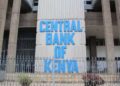
Kenya continues to strengthen its domestic borrowing strategy as the government seeks sustainable ways to finance budgetary requirements while managing external debt obligations. Recent Treasury bond issuances and reopening have attracted significant investor interest, underscoring confidence in government securities and the country’s financial markets. Domestic borrowing has become a key pillar of Kenya’s fiscal strategy in recent years. By raising funds from local investors through Treasury bonds and Treasury bills, the government is able to finance development projects, infrastructure investments, and public services without increasing reliance on foreign loans. This approach helps reduce exposure to exchange rate fluctuations and external financing risks that often accompany international borrowing.
The latest bond offerings by the National Treasury and the Central Bank of Kenya (CBK) have recorded strong subscription levels, demonstrating continued appetite among investors for government-backed securities. Institutional investors such as pension funds, insurance companies, commercial banks, and fund managers remain among the largest participants in these auctions. Retail investors have also shown growing interest, taking advantage of opportunities to invest in secure income-generating assets.One of the main attractions of government securities is their relatively low-risk profile. Since Treasury instruments are backed by the government, they are generally viewed as one of the safest investment options available in the market. In addition, competitive yields offered on bonds and bills continue to attract investors seeking stable returns, particularly during periods of market uncertainty.
The government’s emphasis on domestic financing also aligns with broader efforts to improve debt sustainability. By sourcing a larger share of funding locally, Kenya can reduce dependence on expensive external loans and lower vulnerability to global financial shocks. This strategy has become increasingly important as countries worldwide face higher borrowing costs amid changing global economic conditions.Strong participation in government securities auctions reflects confidence in Kenya’s financial system and the effectiveness of monetary policies implemented by the Central Bank. Stable inflation, a resilient banking sector, and improved foreign exchange conditions have further supported investor sentiment in recent months.
However, economists note that while domestic borrowing offers several advantages, it must be managed carefully to avoid crowding out private sector credit. Excessive government borrowing from local markets can limit access to financing for businesses and entrepreneurs, potentially slowing private sector growth. Policymakers therefore continue to balance fiscal needs with the objective of supporting economic expansion.Looking ahead, Kenya is expected to maintain a robust domestic borrowing programme as it seeks to finance development priorities while preserving fiscal stability. Continued investor confidence, coupled with prudent debt management practices, will be essential in ensuring that domestic borrowing remains an effective tool for supporting economic growth and national development.