Kenya has scaled back its planned roads bond program, reducing the target amount from Sh175 billion to Sh120 billion, signaling a significant shift in the government’s strategy for settling road sector debts and managing infrastructure financing.
The revised target represents a 31.4 percent reduction from the initial proposal and raises questions about the pace and scale of efforts to clear contractor obligations that have accumulated over several years. The bond, backed by proceeds from the Road Maintenance Levy Fund (RMLF), remains one of the country’s most ambitious securitization projects and is expected to become a landmark infrastructure financing instrument once issued.
The original plan aimed to raise Sh175 billion through a bond program to reimburse commercial banks that had advanced funds to settle pending bills owed to road contractors. The bridge financing, provided by a consortium of lenders including KCB Bank, Absa Bank, UBA Kenya, and the Trade and Development Bank, allowed the government to accelerate payments and restart stalled infrastructure projects.
With the target now reduced to Sh120 billion, the amount expected to be mobilized has fallen by Sh55 billion. While authorities have not disclosed the reason behind the revision, the move suggests a reassessment of funding requirements, debt sustainability considerations, or investor appetite for the planned security.


The bond will be serviced through a portion of the Road Maintenance Levy Fund, which is financed by fuel levies paid by motorists. Under the approved framework, Sh7 from every liters of petrol and diesel sold is earmarked to support repayments to bond investors. The government had previously proposed allocating Sh12 per liters from the levy to support two separate bond issuances worth a combined Sh300 billion.
The securitization program reflects the growing use of alternative financing structures by the government amid mounting fiscal pressure. Traditional borrowing channels have become increasingly constrained as debt servicing continues to absorb a significant share of government revenue. By ring-fencing future revenue streams, securitization allows the government to access funding without immediately drawing on ordinary budget allocations.
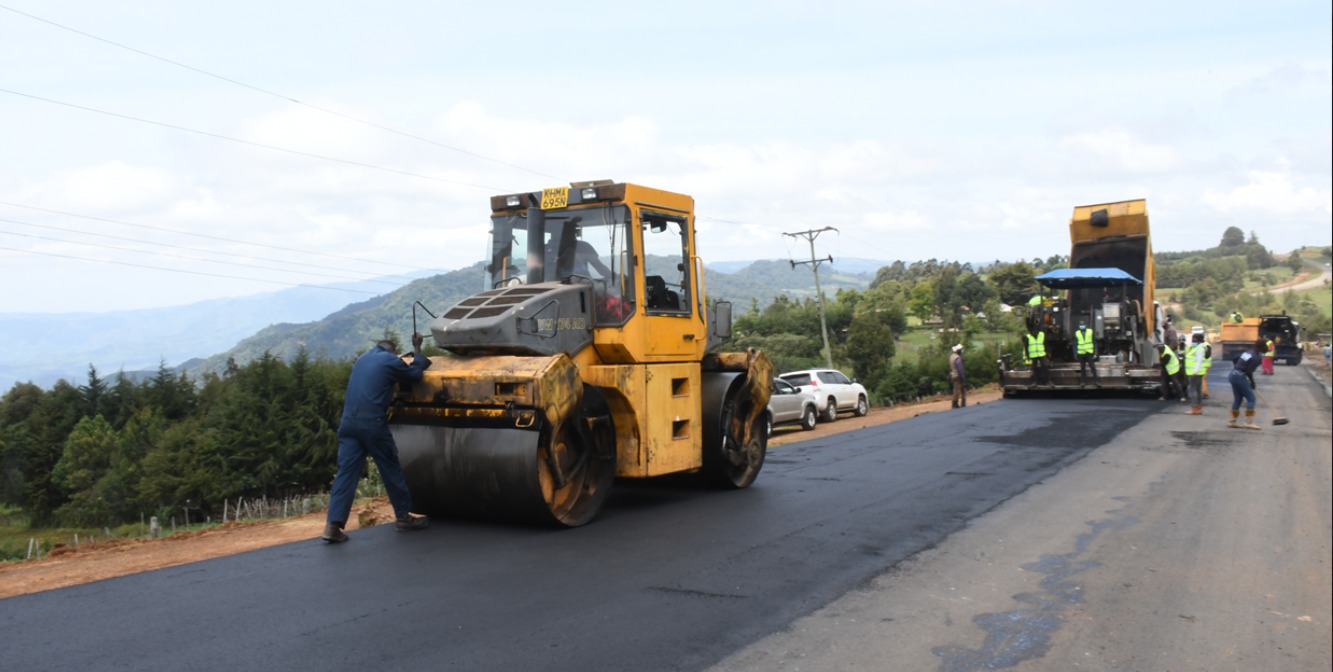
The strategy has already delivered measurable economic benefits. The settlement of contractor arrears contributed to the revival of construction activity in 2025, with the sector expanding by 6.8 percent after contracting by 0.7 percent in 2024. This represents a turnaround of 7.5 percentage points within a year.
Supporting indicators point to a broader recovery in infrastructure activity. Cement consumption increased by 20.3 percent, while the number of completed government housing units rose from 1,655 in 2024 to 6,738 in 2025, an increase of 307.1 percent. Road development also continued, with Kenya’s paved road network reaching 25,400 kilometers.
Despite the positive economic impact, concerns remain over the growing reliance on securitization. Parliamentary committees and international lenders have cautioned that the approach could obscure the true scale of government liabilities if not properly accounted for. The International Monetary Fund has advocated for securitized obligations to be included within Kenya’s public debt calculations, arguing that they represent future payment commitments backed by public revenues.
The concerns come as pending bills remain elevated. National government arrears stood at Sh471.7 billion in March 2026, up slightly from Sh468.5 billion in December 2025. The persistence of unpaid obligations highlights the broader challenge facing public finances despite ongoing repayment efforts.
Kenya is also considering extending the securitization model beyond roads. Plans are underway to leverage the Railway Development Levy Fund, which generates approximately Sh32 billion annually, to support financing for the extension of the Standard Gauge Railway from Naivasha to Kisumu and eventually to Malaba.
The reduction in the roads bond target may therefore signal a more cautious approach to infrastructure financing. While the revised Sh120 billion program remains substantial, it reflects a balancing act between clearing historical obligations, maintaining investor confidence, and managing Kenya’s long-term debt sustainability.