Investment trends often attract significant attention, especially when certain assets or sectors appear to generate high returns within a short period. Social media discussions, market speculation, and widespread publicity can create strong pressure for investors to participate in popular opportunities. While some trends may present genuine investment potential, blindly following them without proper analysis can expose investors to substantial financial risks.
One of the biggest dangers of trend-driven investing is the tendency to make emotional rather than rational decisions. Fear of missing out often pushes investors to enter markets after prices have already risen significantly. In many cases, by the time a trend becomes widely popular, much of the potential upside may already have been realized. Investors who enter late may face higher risks and lower potential returns.
Another major concern is inadequate research. Some investors rely heavily on public excitement, online opinions, or short-term success stories without fully understanding the underlying investment. This can lead to poor decision making, especially when investors do not evaluate factors such as valuation, market fundamentals, liquidity, or long-term sustainability. Investments driven purely by hype may lack strong economic or financial foundations.
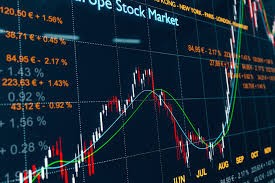
Market volatility is also a significant risk associated with investment trends. Assets that experience rapid price increases often become highly speculative, meaning their values may fluctuate sharply within short periods. When market sentiment changes, prices can decline just as quickly as they rose. Investors who are unprepared for volatility may panic and sell at losses.


Following trends blindly can also lead to poor diversification. Investors may concentrate too much capital in one asset class, sector, or market simply because it is currently popular. Overexposure increases risk, particularly if the trend weakens or the sector experiences a downturn. Diversification remains important because it helps reduce the impact of losses in any single investment.
Another issue is the influence of herd mentality. In financial markets, individuals often feel more comfortable making decisions that align with the actions of others. However, large groups of investors can collectively drive asset prices beyond their intrinsic value, creating bubbles. Once these bubbles burst, investors who entered without proper analysis may suffer significant losses.
Short-term thinking is another challenge linked to trend-based investing. Some investors become focused on quick gains rather than long-term financial goals. This can encourage speculative behavior and excessive trading, both of which may increase transaction costs and emotional stress. Sustainable investing generally requires patience, discipline, and alignment with broader financial objectives.
Technology and social media have accelerated the spread of investment trends. Information now moves rapidly across online platforms, making it easier for speculative movements to gain momentum. While digital access has improved financial participation, it has also increased exposure to misinformation, exaggerated claims, and unverified advice. Investors who rely solely on online sentiment may struggle to separate genuine opportunities from temporary hype.
This does not mean all investment trends should be avoided. Some emerging sectors or technologies may offer strong long-term growth potential. However, investors should approach trends with careful analysis rather than automatic participation. Evaluating risk, understanding market fundamentals, and considering personal financial goals are essential before making investment decisions.
In conclusion, blindly following investment trends can expose investors to emotional decision making, market volatility, poor diversification, and speculative losses. While trends can create opportunities, successful investing requires research, discipline, and a long-term perspective. Investors who focus on informed decision making rather than market hype are generally better positioned to manage risk and achieve sustainable financial growth.