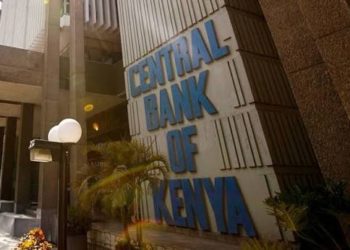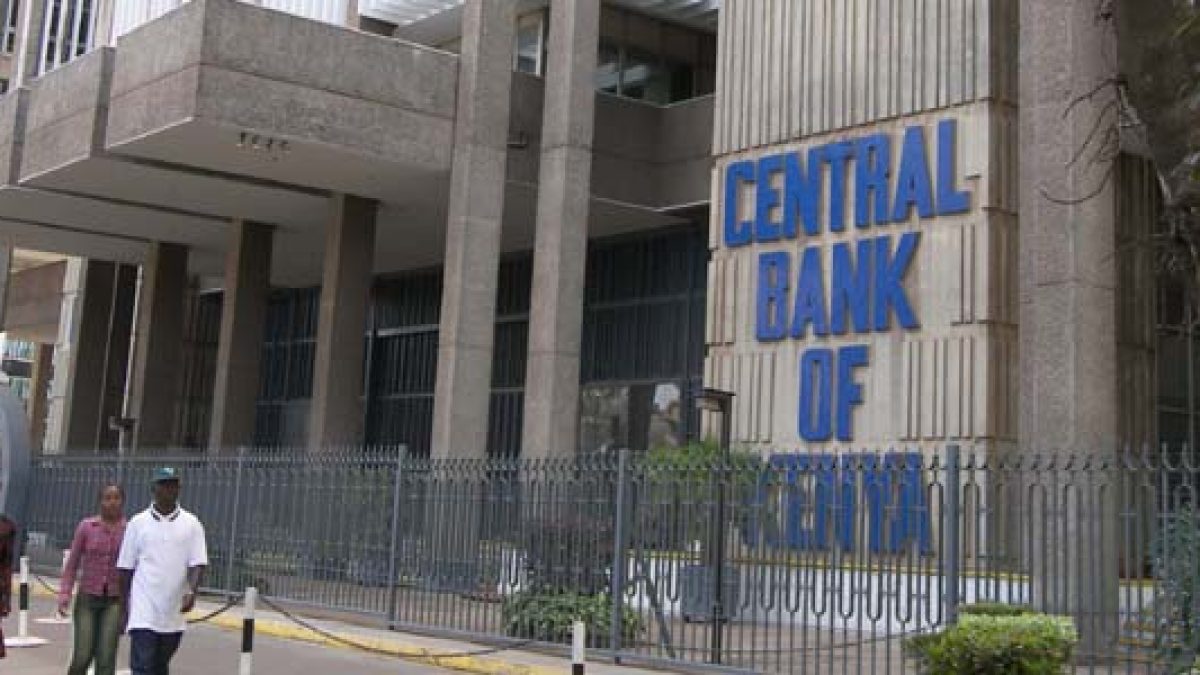
The Central Bank of Kenya (CBK) has retained its benchmark lending rate at 8.75%, maintaining a cautious monetary policy stance as it seeks to balance price stability with support for economic growth. The decision, announced following the Monetary Policy Committee (MPC) meeting on April 8, 2026, marks the first pause in a record 10 consecutive cut easing streak that had seen the rate fall from a high of 13.0% in June 2024.
Policymakers reviewed recent economic developments, including a slight uptick in inflation and heightened global financial risks. While domestic inflation remained within the government’s target range of 2.5% to 7.5%, reaching 4.4% in March 2026, the committee noted that rising global energy prices and Middle East conflict risks clouded the outlook.
In a statement issued after the meeting, the CBK noted that overall inflation remained stable but required close monitoring.
“The Committee concluded that the current monetary policy stance is appropriate to maintain inflation within the target range while supporting economic activity,” the bank stated.
The MPC specifically highlighted the need to monitor the “second round effects” of higher energy prices, which rose as international oil prices climbed from $63 per barrel in December 2025 to nearly $98 by late March 2026.

CBK Governor Kamau Thugge indicated that the bank remains committed to ensuring price stability. During a briefing following the decision, he stated:
“We will continue to closely monitor developments in the domestic and global economy and stand ready to take appropriate action if necessary.”
The decision to hold the rate means commercial banks’ lending rates which averaged 14.81% in early 2026 are likely to remain stable in the near term. Analysts suggest that by pausing the easing cycle, the CBK is signaling a “wait and see” approach, allowing previous cumulative cuts of 425 basis points to fully permeate the economy while guarding against external shocks.
The MPC also pointed to continued resilience in Kenya’s economy, with real GDP growing by 4.9% in the third quarter of 2025. However, it acknowledged ongoing challenges, including a widening current account deficit, projected to reach 3.0% of GDP in 2026 due to higher oil import costs.