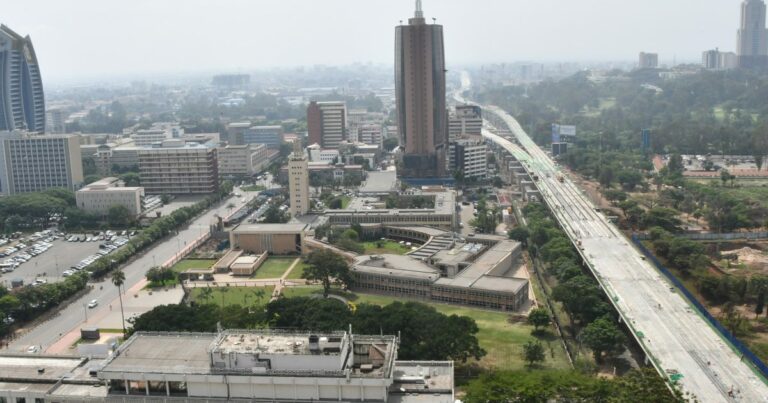
Urbanization has become a defining trend in Kenya’s economic and social landscape, with Nairobi at the center of this transformation. As more people migrate from rural areas in search of employment, education, and better living standards, the city continues to expand rapidly. This population growth has had a significant impact on Nairobi’s property market, influencing demand, pricing, and the overall structure of real estate development.
One of the most direct effects of urbanization is the increased demand for housing. As the population grows, so does the need for residential units, particularly in areas close to employment hubs. This has led to the expansion of both formal and informal housing developments. High demand in central locations has pushed property prices upward, making affordability a major concern for many residents. As a result, developers are increasingly focusing on high-density housing solutions such as apartments to accommodate the growing urban population.
Urbanization has also contributed to the rise of satellite towns and peri-urban developments. Areas on the outskirts of Nairobi, including places like Syokimau, have experienced increased demand as residents seek more affordable housing options while maintaining access to the city. Improved infrastructure, such as roads and public transport, has further supported the growth of these areas, making them viable alternatives to living within the city center.
In addition to residential demand, urbanization has influenced commercial property development. As businesses expand to cater to a growing population, there is increased demand for office spaces, retail centers, and mixed-use developments. This has led to the emergence of new business districts and the transformation of existing ones. However, changing work patterns, including the rise of remote and hybrid work, are also reshaping demand for office spaces within the city.


Infrastructure development plays a crucial role in shaping property markets in urban areas. Investments in transport networks, utilities, and social amenities often drive property value appreciation in surrounding areas. In Nairobi, ongoing infrastructure projects have contributed to the attractiveness of certain neighborhoods, influencing both residential and commercial real estate trends.
Despite these opportunities, urbanization also presents challenges. Rapid population growth can strain existing infrastructure, leading to congestion, pressure on public services, and the expansion of informal settlements. These challenges can affect property values and the overall quality of urban living. Addressing these issues requires coordinated planning and investment to ensure sustainable urban development.
Urbanization also impacts the rental market. Increased demand for rental housing has led to rising rents in some areas, particularly those with good access to jobs and amenities. At the same time, the supply of new housing developments has introduced competition in certain segments, influencing pricing dynamics across different neighborhoods.
In conclusion, urbanization continues to shape Nairobi’s property market in multiple ways. By driving demand for housing, encouraging the growth of satellite towns, and influencing commercial real estate development, it remains a key factor in the city’s real estate evolution. While it presents opportunities for investors and developers, it also highlights the need for sustainable planning to balance growth with livability.