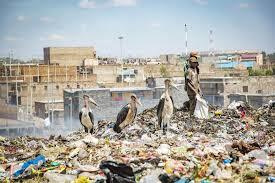
Nairobi’s mounting garbage problem is no longer just an eyesore, it is a visible symptom of deeper urban governance failures that threaten public health, economic productivity, and the city’s long-term competitiveness. Piles of uncollected waste across residential estates, markets, and road reserves reveal a system struggling to keep pace with rapid urbanization and population growth. What appears to be a sanitation issue is, in reality, a broader development challenge.
At the most basic level, ineffective waste management poses a direct public health risk. Accumulated garbage creates breeding grounds for disease vectors, contaminates water sources, and worsens air quality when waste is burned informally. These conditions disproportionately affect low-income neighbour-hoods, reinforcing inequality and placing additional strain on already stretched healthcare systems. Over time, the social cost of preventable illness far outweighs the cost of maintaining an efficient waste collection system.
The economic implications are equally significant. A city weighed down by poor sanitation becomes less attractive to investors, tourists, and skilled workers. Businesses incur higher operating costs due to disrupted logistics, health-related absenteeism, and the need for private waste solutions. Informal traders and small enterprises operating near dumping sites suffer reduced foot traffic and declining revenues. In this way, un-managed waste quietly erodes Nairobi’s productivity and undermines its reputation as East Africa’s commercial hub.
Environmental degradation adds another layer of risk. Unregulated dumping clogs drainage systems, worsening flooding during heavy rains and damaging infrastructure. Plastics and hazardous waste seep into rivers and green spaces, compromising ecosystems and increasing future cleanup costs. These environmental pressures are not isolated, they compound climate risks and expose the city to long-term fiscal liabilities.


At the core of the problem lies weak coordination and accountability. Fragmented contracting, inconsistent service delivery, and limited enforcement have created gaps that private actors and informal collectors fill unevenly. While policy responses often focus on increasing collection capacity, the deeper issue is governance, unclear roles, poor monitoring, and limited data on waste generation and movement. Without addressing these structural flaws, short-term fixes offer little lasting relief.
Solving Nairobi’s waste crisis requires more than clearing the streets. It demands an integrated approach that links urban planning, public health, environmental management, and economic policy. Transparent contracting, performance-based oversight, and investment in waste reduction and recycling are critical. Equally important is engaging communities and the private sector in shared responsibility for waste separation and disposal.
Urban decay does not happen overnight, it accumulates, much like the garbage lining Nairobi’s streets. The city’s waste management challenge is a warning sign. Addressing it decisively would not only restore cleanliness but also signal a broader commitment to effective governance, inclusive growth, and a liveable urban future.