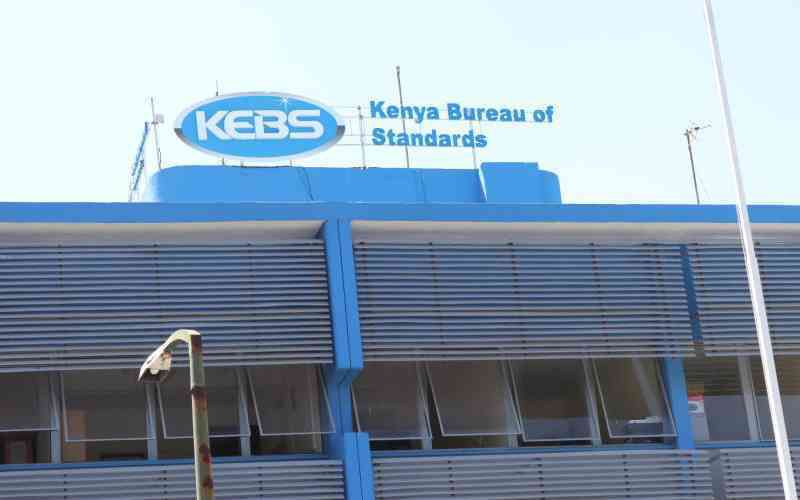
A Kenyan court has temporarily stopped the government from enforcing the newly revised Kenya Bureau of Standards (KEBS) standards levy following a legal challenge, offering short-term relief to businesses affected by the sharp increase in certification and inspection fees. The conservatory orders mean that the levy, which would have seen some charges rise by as much as 1,400 percent, will remain suspended until the case is heard and determined.
The revised levy targeted a broad range of goods that require mandatory quality testing and certification before entering the Kenyan market. Manufacturers, importers, and industry associations raised concerns that the new fees were introduced abruptly and without sufficient public participation. They argued that the magnitude of the increase would significantly raise the cost of doing business at a time when firms are already under pressure from high taxes, elevated energy costs, and weak consumer purchasing power. For smaller enterprises in particular, the revised charges were seen as a potential barrier to compliance and market entry.
In granting the temporary orders, the court emphasized the importance of maintaining the status quo to prevent possible irreparable harm to affected parties. Allowing the levy to take effect before its legality is fully tested could have forced businesses to absorb or pass on higher costs, with limited recourse if the charges were later found to be unlawful. As a result, KEBS will continue applying the previous standards fees while the case proceeds.
The dispute has reopened a wider conversation about regulatory costs and predictability in Kenya’s business environment. While standards enforcement plays a critical role in protecting consumers and ensuring product quality, stakeholders have questioned whether sudden and steep fee adjustments undermine confidence and long-term planning. There are also concerns about the cumulative burden created by multiple levies imposed by different state agencies, which can erode competitiveness and discourage investment.


For now, the suspension provides breathing room for manufacturers and importers, allowing them to plan production, imports, and pricing without the immediate shock of higher compliance costs. The final ruling could set an important precedent on how public agencies revise fees, particularly around transparency, stakeholder engagement, and proportionality.
As Kenya continues to balance regulation with economic growth, the outcome of this case will be closely watched by businesses, policymakers, and investors alike, given its broader implications for the cost of doing business and regulatory trust.
In times of regulatory uncertainty, strong financial planning matters. Consider growing your savings with Cytonn’s Money Market Fund to stay financially prepared while earning competitive returns as you navigate a changing economic environment.
📞 Call +254 (0) 709 101 200 or 📧 email sales@cytonn.com to learn more.