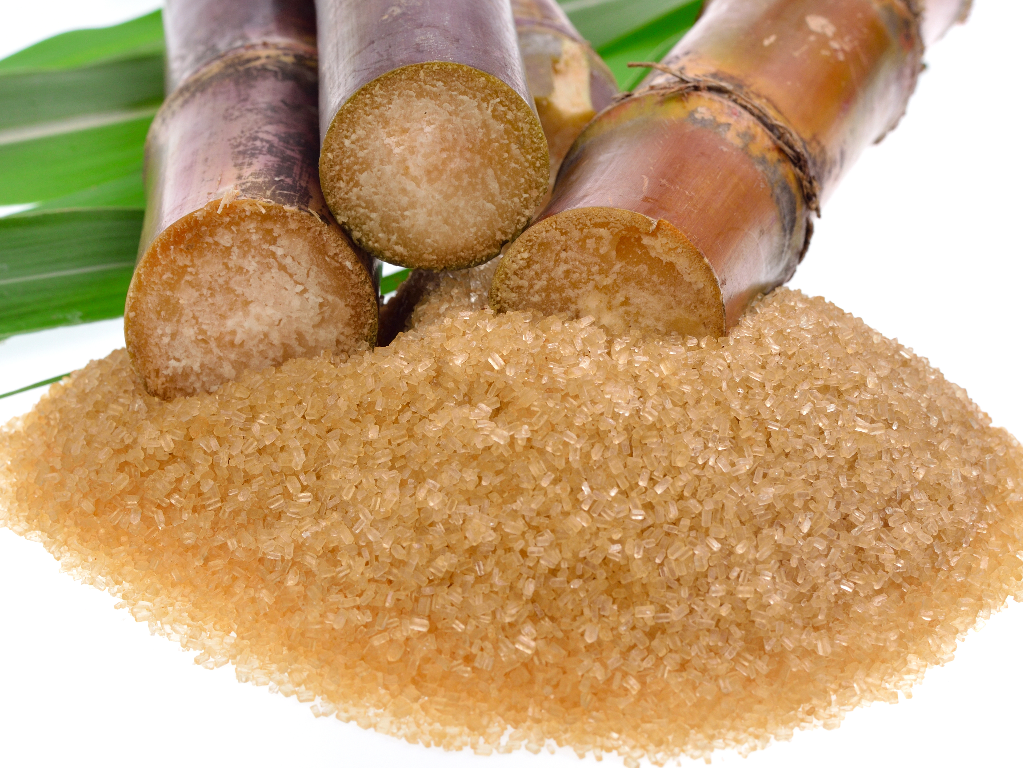
Kenya has officially opened its sugar market to duty free imports following the lapse of the COMESA Sugar Safeguard on November 30, 2025, ending a protection framework that had been in place for 24 years. The decision allows sugar from COMESA member states to enter the Kenyan market without import duty or volume restrictions, marking a major policy shift in the country’s agricultural and trade landscape.
Confirming the development in early January 2026, the Kenya Sugar Board (KSB) stated that the safeguard had served its intended purpose and that the country would now operate under standard COMESA free trade rules. “Kenya has fully exited the COMESA sugar safeguard regime and will now trade sugar freely within the region,” KSB Chief Executive Officer Jude Chesire said.
Government position and industry context
The government maintains that the move is designed to ensure sufficient sugar supply, stabilise prices, and align Kenya with regional trade obligations. Officials note that domestic sugar production has improved in recent years but still falls short of national demand.
Kenya consumes an estimated 1.1 million metric tonnes of sugar annually, while local production averages between 800,000 and 850,000 metric tonnes, leaving a persistent deficit that has historically been filled through controlled imports.
“The safeguard was never meant to be permanent,” Chesire said, adding that, “after more than two decades, the industry is better positioned to compete, and consumers also deserve affordable sugar.”
Implications for prices and supply
With duty free imports now permitted, analysts expect increased sugar inflows from COMESA countries, particularly Uganda, Zambia, and Egypt, which produce sugar at relatively lower costs. The government has indicated that imports will be monitored to avoid market disruption while ensuring that shortages do not push prices upward.

On January 3, 2026, an official at the Ministry of Agriculture said the policy shift would help cushion consumers against price volatility. “Our priority is food security and price stability. Imports will only complement local production, not replace it,” the official said.
Concerns from local producers
Despite assurances, the decision has raised concerns among some millers and farmers, who fear that cheaper imports could undercut locally produced sugar. Industry stakeholders have repeatedly called for continued reforms, including factory modernisation, timely farmer payments, and improved cane yields.
However, government officials insist that ongoing reforms and investments in the sugar sector will help local producers remain competitive. “This transition is part of a broader restructuring effort, not an abandonment of farmers,” Chesire noted.
Conclusion
Kenya’s exit from the safeguard regime aligns the country more closely with COMESA’s free trade principles, reinforcing regional economic integration. Authorities say the sugar market will remain under close regulatory oversight to prevent dumping and ensure quality standards are upheld.
As duty free imports begin to flow in 2026, policymakers, producers, and consumers will be watching closely to assess the impact on prices, supply stability, and the long term sustainability of Kenya’s sugar industry.