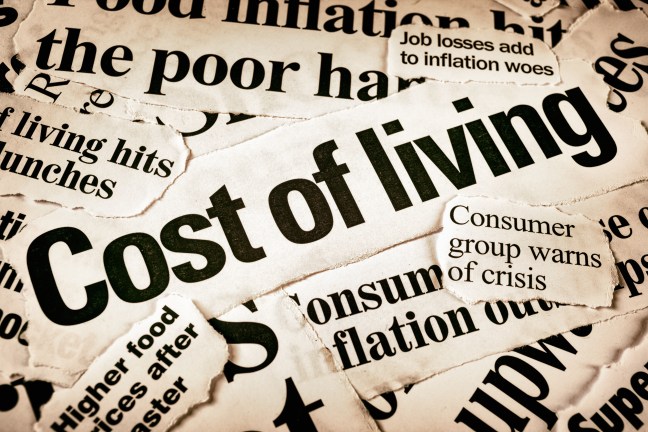
When income fails to keep pace with inflation, households are forced to adjust their financial behavior to protect stability, security, and future preparedness. Rising prices steadily erode purchasing power, making it harder to meet basic needs and maintain previous living standards. Over time, this pressure reshapes how households think about money, risk, and long-term planning. The most immediate response is a change in spending habits. Households prioritize essentials, reduce discretionary expenses, and substitute cheaper alternatives where possible. Non-essential purchases are delayed, and budgets become more tightly managed. While these adjustments help preserve cash flow, they often come at the cost of comfort and lifestyle, reinforcing a shift toward financial caution.
As inflation persists, saving alone becomes insufficient. Traditional savings accounts frequently fail to protect value during high inflation, prompting households to seek alternatives. Financial investments increasingly serve as a defensive tool rather than a purely growth driven strategy. Instruments such as government securities, collective investment schemes, equities, and inflation linked assets attract households seeking to preserve purchasing power and hedge against rising costs. Preparedness also encourages diversification. Relying on a single income source or financial buffer becomes risky when real incomes decline. Many households respond by building multiple income streams, exploring small businesses, freelance work, or informal ventures alongside formal employment. On the investment side, spreading funds across different asset classes reduces exposure to inflation and income shocks.
Digital financial platforms have accelerated this transition. Lower entry thresholds and simplified access allow households to invest modest amounts consistently. This has expanded participation in financial markets, enabling more people to protect their finances even with limited capital. However, it also increases exposure to market volatility, particularly when investment decisions are made under pressure rather than strategy. These adaptations are not without risk. When income growth lags inflation for extended periods, households may accept higher risk in search of returns or overextend limited resources. The margin for financial error becomes smaller, increasing vulnerability to shocks.
Households adapt by becoming more intentional and strategic. Investing for safety, diversification, and preparedness becomes essential rather than optional. These behavioral shifts reveal how inflation reshapes financial decision making, underscoring the importance of stable financial markets and accessible investment tools in supporting long term household resilience.