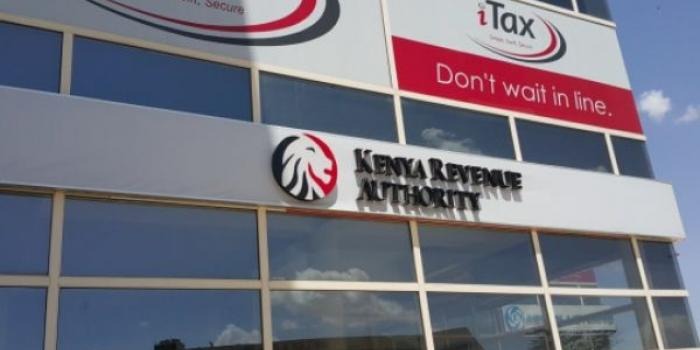
The Kenya Revenue Authority (KRA) has announced that beginning 1 January 2026, it will start validating income and expenses declared in income-tax returns using digital data. The validation will apply to both individual and non-individual returns for the 2025 year of income, and will rely on information generated through electronic tax invoices, withholding tax declarations, import records and other digital sources available to the authority.
According to the announcement, all income and expenses declared in a tax return must be supported by a valid electronic invoice issued and transmitted through the eTIMS (electronic Tax Invoice Management System) platform or any other approved system. The electronic invoice must reflect the correct details of the supplier and, where required, the buyer’s PIN. If the information declared in the return does not match the digital records generated through e-invoicing or other KRA-linked systems, the affected entries may be disallowed.
What this means for eTIMS users
The notice significantly raises the importance of full eTIMS compliance. Businesses and individuals issuing or receiving electronic tax invoices will need to ensure that every transaction is properly captured, transmitted and archived. Under the new validation approach:
-
An expense claimed in a tax return may be rejected if there is no corresponding eTIMS invoice.
-
Income declared by a business will be cross-checked against invoices it has issued, custom import declarations and withholding tax data.
-
Any mismatch between declared figures and digital records will trigger further scrutiny.


This marks a shift toward automated tax-return verification, with eTIMS acting as the primary source of truth for transactions.
What taxpayers should expect
1. Stricter expense scrutiny
Taxpayers will only be able to claim expenses that can be validated electronically. This affects both large and small businesses, particularly those whose suppliers do not issue compliant electronic invoices.
2. Increased responsibility for suppliers and vendors
Suppliers must issue eTIMS invoices for their clients to claim expenses. Businesses will need to ensure their suppliers are compliant or risk losing tax-deductible expense claims.
3. Higher impact on informal and small enterprises
Businesses operating informally or without digital invoicing systems will face challenges, as undocumented expenses will not be accepted during return validation.
4. Need for better bookkeeping
Accurate record-keeping, reconciliation of invoices, and alignment of accounting systems with eTIMS records will become essential. KRA has encouraged taxpayers to continuously reconcile their digital invoice schedules with their internal accounts.
5. Awareness of exemptions
The validation process will operate within the framework of the Tax Procedures Act and the Electronic Tax Invoice Regulations, which outline categories of transactions that may be exempt from invoicing requirements. Taxpayers using legitimate exemptions must maintain proper documentation.
How taxpayers can prepare
-
Conduct an internal audit of all issued and received invoices.
-
Ensure suppliers are fully eTIMS-compliant.
-
Reconcile all digital invoice records with accounting books.
-
Document and understand any legally allowable exemptions.
-
Seek tax advisory support early, especially for businesses with informal or complex supply chains.
KRA’s planned validation system marks a major shift in Kenya’s tax compliance landscape. By linking tax-return declarations to real-time electronic invoicing, customs data and withholding tax records, the authority aims to enhance accuracy, reduce under-declaration and increase transparency. For taxpayers, the new rules underscore the need for strong digital compliance, accurate invoicing and disciplined record-keeping ahead of the 2025 filing cycle.
Kenya to introduce automatic business license approval after 28 Days