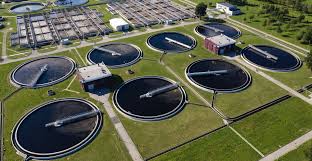
Water is one of the most essential resources for economic growth, social development, and public health. Yet in many regions, significant amounts of treated water never reach consumers because of leakages, theft, or poor billing systems. This phenomenon, commonly referred to as non-revenue water, is not only an infrastructure issue but also a financial and governance challenge for utilities. The hidden costs of this loss are passed down to households, businesses, and even governments struggling to fund new water projects.
In many developing economies, water systems are built on aging infrastructure. Old pipes, poor maintenance, and inadequate investment create persistent leakages that quietly drain both water and revenue. Every drop lost through these inefficiencies represents wasted energy, wasted treatment costs, and lost opportunity to serve more communities. Addressing this problem requires a shift from reactive to proactive management. Instead of waiting for catastrophic pipe bursts or severe service interruptions, utilities can save millions by investing in regular system audits, preventive maintenance, and targeted replacements. Pressure management and system-wide monitoring further reduce losses by preventing undue strain on pipes, ensuring that networks remain efficient for longer periods.
Technology is also reshaping how utilities can operate. The adoption of smart metering allows utilities to monitor consumption in real time, quickly identifying anomalies such as sudden spikes that indicate leaks or illegal connections. Geographic Information Systems and Internet of Things sensors can map pressure variations across networks, making it easier for engineers to pinpoint areas of concern before they become costly failures. Artificial Intelligence tools, already transforming sectors such as energy and tax enforcement, can also be adapted for water supply management. By analyzing consumption patterns and predicting failures, AI gives utilities a chance to intervene early, reducing both losses and service disruptions. These innovations not only cut costs but also improve the overall customer experience, fostering stronger relationships between utilities and the communities they serve.
Efficiency, however, cannot be sustained without accountability. Transparent billing systems, strong internal audits, and independent oversight are essential in ensuring that water utilities deliver on their mandates. Publishing reports on non-revenue water and setting clear reduction targets gives utilities measurable benchmarks to work toward, while also reassuring the public that reforms are underway. Accountability should also extend beyond utility management and include citizen engagement. Communities can become active partners in reducing water loss if they are empowered with tools to report leaks, theft, or illegal connections. Mechanisms such as SMS hotlines, mobile apps and community reporting desks provide low-cost but highly effective ways of building a shared responsibility for water conservation.

By investing in proactive infrastructure management, embracing technology, promoting transparency, and aligning financing with measurable goals, utilities can gradually turn the tide. Strengthening water utilities is not just about plugging leaks, it is about creating resilient systems that safeguard one of humanity’s most precious resources for generations to come.