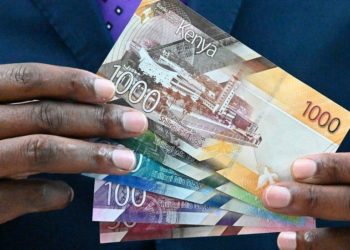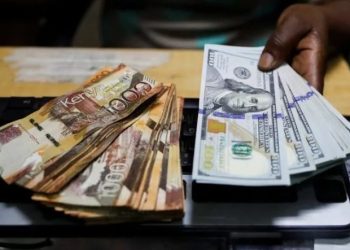
Currency manipulation, a term that stirs heated debate in global trade, refers to a nation’s deliberate efforts to alter its currency’s value for economic advantage. Recently, the United States has pointed a cautious finger at Kenya, questioning whether its management of the Kenyan shilling crosses into manipulation. While no formal accusation has been made, the concern invites a deep dive into how currency manipulation works, using Kenya as a lens to unpack its methods, motives, and consequences.
At its core, currency manipulation involves a government or central bank intervening to skew a currency’s value, often to boost exports or stabilize markets. A weaker currency makes a country’s goods cheaper abroad, giving exporters an edge, while a stronger currency lowers import costs but can hurt trade competitiveness. The Central Bank of Kenya (CBK), holding USD 10.9 billion in reserves as of 20th June 2025, employs several tools to manage the shilling, drawing scrutiny for their impact on trade with the U.S.
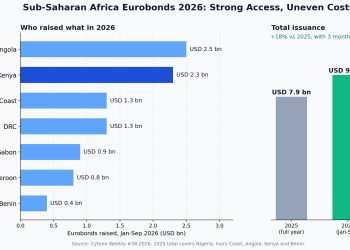
The primary method is direct market intervention. By selling shillings, the CBK increases supply, driving down the currency’s value. For instance, a weaker shilling could make Kenyan tea cheaper in global markets, undercutting competitors. Conversely, buying shillings with dollar reserves tightens supply, strengthening the currency to curb inflation or ease Kenya’s dollar-denominated debts, like Eurobonds. These actions, intended to stabilize Kenya’s economy, can appear manipulative if they consistently favor exports, creating trade imbalances that concern partners like the U.S.
Interest rate adjustments offer another tool. Lowering rates discourages foreign investors, reducing demand for shillings and weakening the currency. Raising rates attracts capital, bolstering the shilling but risking slower growth in Kenya’s agriculture and tourism-driven economy. The CBK’s recent rate cuts reflect this delicate balance, but aggressive shifts could signal manipulation. Capital controls, limiting foreign access to shillings, can also manipulate value by controlling demand, though Kenya’s open market leans away from this tactic.

Some nations peg their currency to the dollar, requiring relentless intervention to maintain a fixed rate. Kenya uses a managed float, allowing market forces some play, but its active interventions raise questions, especially as Kenya’s trade surplus with the U.S. grows. Reforms like the Kenya Foreign Exchange Code aim for transparency, yet frequent market tweaks fuel U.S. suspicions.
Manipulation has trade-offs. A weaker shilling risks inflation, squeezing Kenyan households, while an overly strong shilling could cripple export sectors like flowers, costing jobs. Globally, manipulation distorts trade, prompting U.S. vigilance under its “America First” trade stance. Kenya’s actions, shaped by commodity price swings and debt pressures, likely prioritize stability over unfair advantage. Yet, as Kenya explores non-dollar trade systems like Pan-African Payment and Settlement System (PAPSS), the U.S. sees a challenge to dollar dominance, amplifying concerns.
Kenya’s currency strategy navigates survival in a volatile global economy, not deliberate trade distortion. Still, the U.S.’s scrutiny highlights a tension: one nation’s economic defense can look like another’s trade offense. Without clear evidence, this debate risks straining a vital partnership.