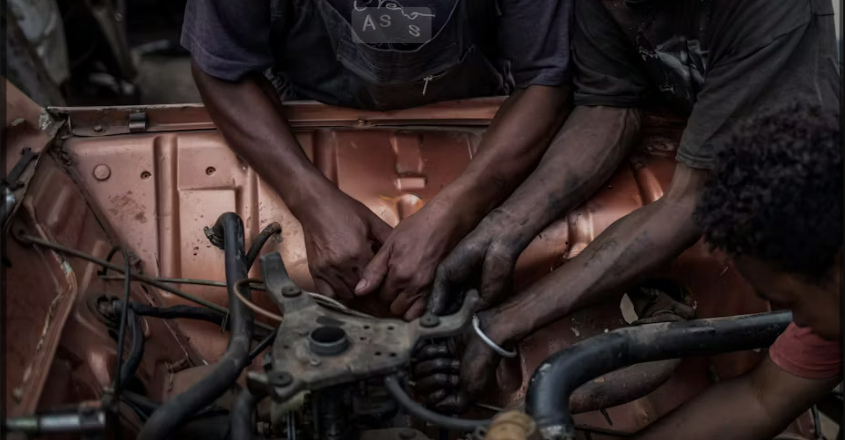
Kenya’s informal sector, often overlooked in mainstream economic discussions, remains the backbone of the country’s employment and micro-enterprise activity. From roadside vendors to boda boda operators and jua kali artisans, this sector accounts for over 80.0% of employment outside agriculture, contributing significantly to household incomes and local economies.
The informal economy thrives on flexibility, low entry barriers and community-driven demand. Many Kenyans turn to informal work due to limited access to formal jobs, leveraging skills, creativity and networks to survive and often thrive. Whether it’s small-scale manufacturing in Gikomba, mobile money agents across townships, or second-hand clothing traders in Gikuyu markets, the sector is alive with resilience and entrepreneurship.
Despite its vibrancy, the informal sector faces major structural challenges. Workers often lack access to social protection, pensions, credit or legal recognition. Their businesses operate outside formal tax systems and regulatory oversight, which limits their scalability and long-term sustainability. Informal entrepreneurs are also more vulnerable to economic shocks, such as inflation or currency fluctuations, as they lack buffers like savings or insurance.
The Kenyan government has made some efforts to integrate the informal economy into national development plans. Initiatives like the Hustler Fund and Ajira Digital Program aim to boost access to affordable credit and digital work opportunities. County governments have also rolled out licensing reforms and market infrastructure improvements to support small traders.
However, more must be done to formalize and empower the sector without stifling its grassroots dynamism. This includes offering micro-pension schemes, creating cooperative financing models, and easing business registration processes. Public-private partnerships can play a pivotal role in training, financing, and equipping informal workers to grow their ventures.
For investors and development actors, the informal sector presents untapped potential. From fintech platforms serving micro-merchants to affordable health insurance tailored for gig workers, there’s a wide space for innovation. As Kenya seeks inclusive and sustainable growth, recognizing and supporting the informal sector is not just smart economics, it’s a necessity