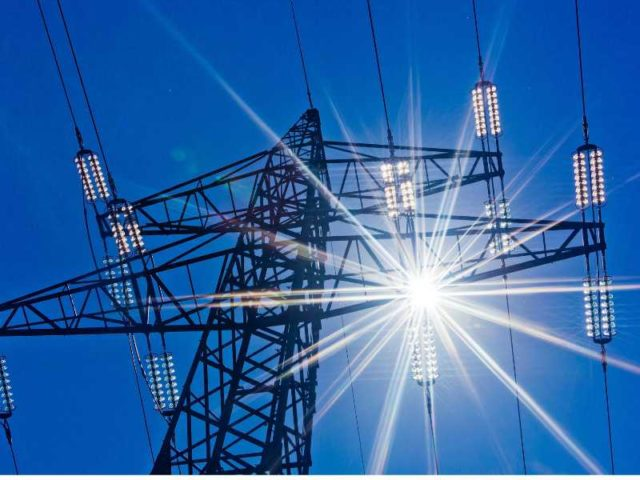
Kenya’s rural economies, home to over 32.7 million translating to 68.9% of its population as per the 2019 census report, face persistent challenges which include limited electricity access, high poverty rates and reliance on biomass for her energy needs. In a stark contrast Kenya is a leader in East Africa for expanding electricity access, increasing the rate from 37.0% in 2013 to 79.0% in 2023, unfortunately this is only done in the urban areas. As the country strives to achieve universal electricity access by 2030 focus must be made on the rural areas to revitalize these regions. By leveraging solar, wind and geothermal sources Kenya can unlock economic growth by empowering small businesses, and reduce inequality, aligning with Vision 2030’s development goals.
Rural electrification will be a game changer. As of 2024, Kenya’s electricity access stands at 79.0%, but rural areas lag, with some counties below 50.0% as per International Energy agency 2024 report released in early April. Off-grid solutions, like solars are now coming in to bridge this gap. Projects like Talek Power’s 60 kW solar mini-grid in Narok County power businesses, schools, and homes, enabling longer operating hours for shops and agro-processing units. With Small and Micro enterprises contributing significantly to our GDP, reliable energy could boost this by enhancing productivity and reducing reliance on costly diesel generators.
Energy transformation also spurs agricultural innovation. Irrigation systems that are solar powered supported by initiatives like the Kenya Off-Grid Solar Access Project (KOSAP), increase crop yields significantly in arid regions like Turkana. This strengthens food security and creates surplus for markets, boosting rural incomes. The International Energy Agency (IEA) projects that scaling mini-grids to 1.3 million households by 2030 could generate numerous jobs, from technicians to agriculture entrepreneurs, reducing rural unemployment, which stood at 17.3 per cent in 2020 as per KIPPRA reports
Clean energy also addresses environmental and health crises. Biomass reliance causes deforestation, reduces arable land and is closely linked to deaths from indoor air pollution. Transitioning to biogas and solar cookers will save households costs yearly, redirecting funds to education and micro-enterprises. The USD 45.0 billion needed for Kenya’s renewable energy expansion by 2030, per IEA estimates, requires private investment, which rural energy cooperatives can attract through public-private partnerships.
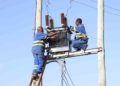
However, numerous challenges lie on Kenya’s path to rural electrification. High upfront costs, bureaucratic delays, and Kenya Power’s monopoly slow down mini-grid deployment. Streamlined policies and politics will be critical to scaling solutions like the 265 mini-grids planned under Kenya Off-Grid Solar Access Project(KOSAP) . By prioritizing rural energy access, Kenya will transform its countryside into economic hubs, reducing urban migration and narrowing the trade deficit through localized growth