Interest rates and inflation are critical economic factors that influence investment decisions in Kenya. The dynamic interplay between these economic variables can significantly impact the performance of various investment instruments, shaping the investment landscape in the country. They affect the cost of borrowing, the value of money and overall investor confidence.
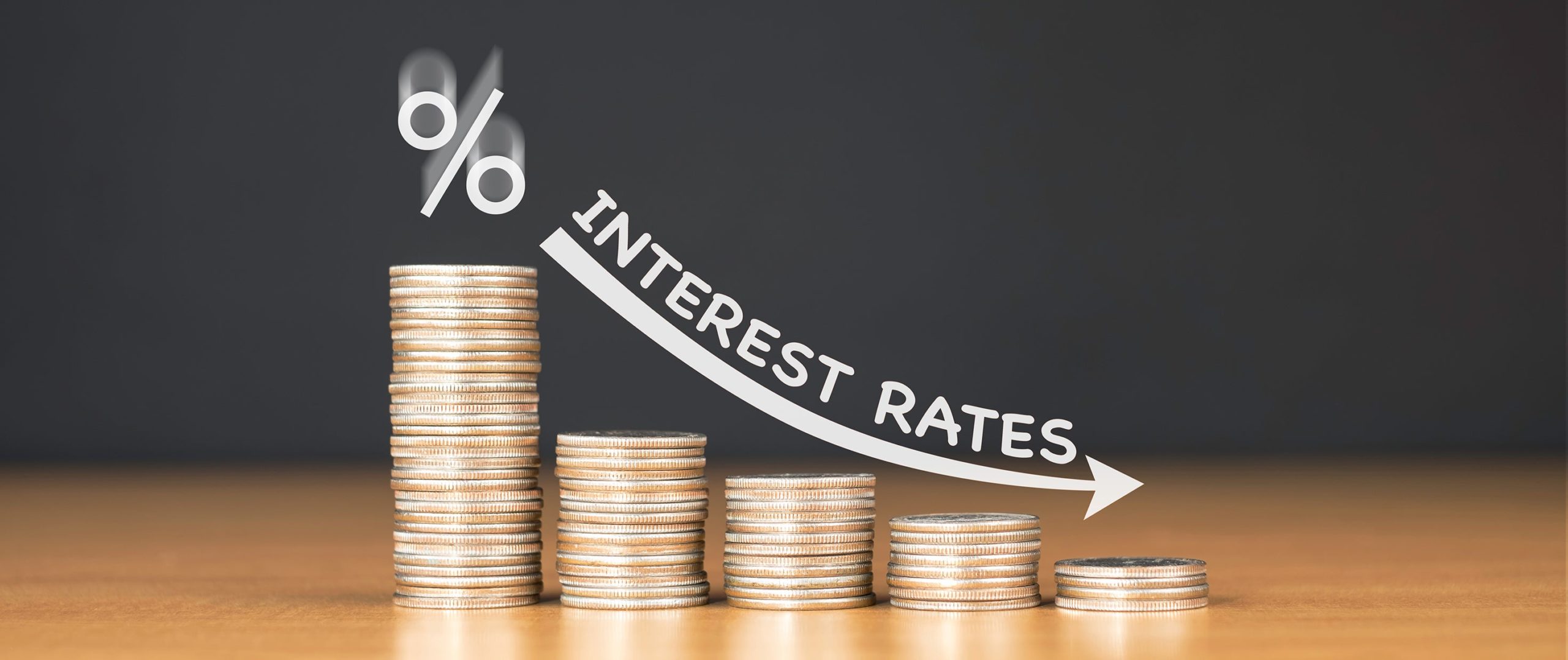
Interest rates, set by the Central Bank of Kenya (CBK), play a major role in shaping investment trends. When the CBK raises interest rates to curb inflation, borrowing costs increase. This leads to higher loan and mortgage rates, discouraging borrowing and spending. Businesses may therefore face reduced consumer demand, affecting their profitability and stock performance.
Interest rates and bond prices are inversely related. When interest rates rise, existing Treasury bonds (T-bond) prices fall because their fixed interest payments become less attractive compared to newly issued bonds. Therefore, investors are likely to sell older bonds and purchase new bonds with higher yields. Conversely, when interest rates decline, the price of existing T-bonds tends to rise because their higher yields become more appealing compared to newly issued bonds with lower rates.
Inflation measures the rate at which the general level of prices for goods and services rises, eroding purchasing power. High inflation can have a negative impact on investments, especially those with fixed returns. For instance, fixed-income investments like bonds may suffer as the real returns decrease. Additionally, inflation can lead to increased production costs for companies, squeezing profit margins and affecting stock prices.


Some investments can act as a hedge against inflation. Real estate often appreciates in value during inflationary periods, providing a buffer against rising prices. Similarly, commodities like gold tend to retain their value or even increase during inflationary spikes, making them attractive to investors seeking protection.
In Kenya, the CBK’s monetary policy decisions directly influence interest rates and inflation. The CBK’s primary goal is to maintain price stability while fostering economic growth. When inflation rises, the CBK may increase interest rates to control it. This can have a dampening effect on economic activity and investments. Conversely, during periods of low inflation, the CBK may lower interest rates to stimulate growth. In recent years, the CBK has maintained a cautious approach, adjusting interest rates to navigate the challenges posed by global economic uncertainties and domestic inflationary pressures.
Investors need to diversify their portfolios, considering fixed-income, stocks, commodities and Real Estate, to mitigate risks associated with fluctuating interest rates and inflation. Additionally, staying informed about CBK policies and economic indicators can guide better investment decisions.