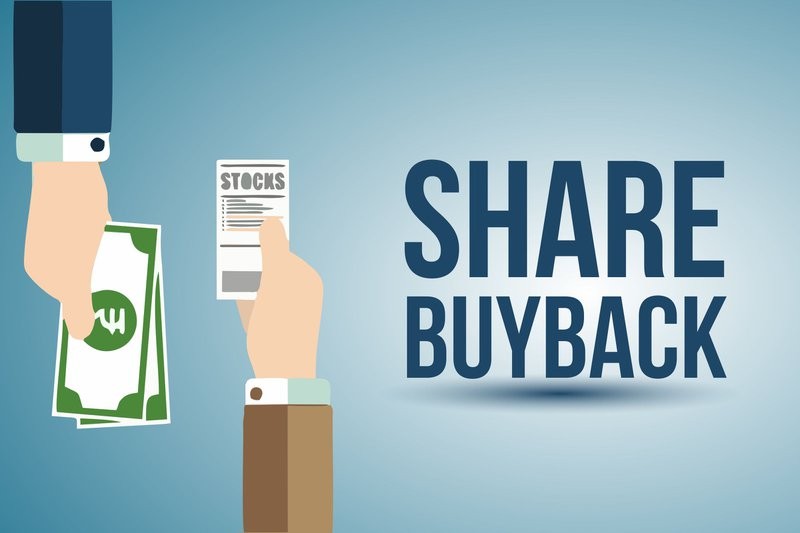
Share buybacks, also known as share repurchases, are a financial strategy where companies purchase their own shares from the market. This reduces the number of shares available to the public, often leading to an increase in the value of the remaining shares. For shareholders, buybacks can be a way to realize value from their investments, especially when a company believes its shares are undervalued. Centum Investment Company, provides a clear example of how and why companies undertake share buybacks.
At its core, a share buyback is a way for companies to return excess cash to shareholders without paying dividends. When a company like Centum buys back its shares, it signals confidence in its future prospects. By reducing the number of outstanding shares, the company increases the ownership stake of remaining shareholders, potentially boosting the stock price. This is particularly appealing when a company’s shares are trading below their intrinsic value.
Centum’s recent buyback program illustrates this strategy. The company’s shares had been trading at KES 8.3, significantly below their net asset value (NAV) of KES 62.4 per share as of September 2024. This represents an 86.7% undervaluation, which Centum attributes to investor concerns over its previous debt-fueled expansion. To address this, the company began steadily repaying its loans and launched a share buyback program to reduce the number of shares in circulation.
The buyback program, initially launched in February 2023, targeted 66.5 mn shares, representing 10% of its issued shares. By the end of the first phase in August 2024, Centum had acquired 9.9 mn shares, achieving only 14.8% of its target. In response, the company extended the buyback period to March 2026 and raised the maximum purchase price to Sh9.5, a 10.0% premium over the weighted average price of Sh8.6 in the 30 days prior to the announcement.
The second phase of the buyback aimed to acquire an additional 65.6 million shares, or 10% of the remaining issued shares. As of December 2024, Centum had already repurchased 995,000 shares in this phase, representing 1.5% of its target. The company has also set a minimum purchase price of KES 0.5, the nominal value of its shares.
However, share buybacks are not without controversy. Critics argue that they can artificially inflate stock prices and divert resources from long-term growth initiatives or employee benefits. Despite these concerns, buybacks remain a powerful tool for companies like Centum to manage their capital structure and enhance shareholder value.
Share buybacks in Kenya exemplified by Centum’s recent initiative, serve as a strategic tool for companies to address undervaluation, reward shareholders, and signal confidence in their future. As the Kenyan market continues to evolve, the role of buybacks in corporate financial strategies is likely to remain significant.