Kenya has potential for growth and development. Kenya has however long struggled with a complex and often inefficient tax system that stifles businesses and limits government revenue collection. The recent push for tax reforms presents an opportunity to modify the balance between promoting economic growth and achieving fiscal sustainability. However, the success of these reforms depends on the government’s ability to address systemic inefficiencies and foster a culture of compliance.
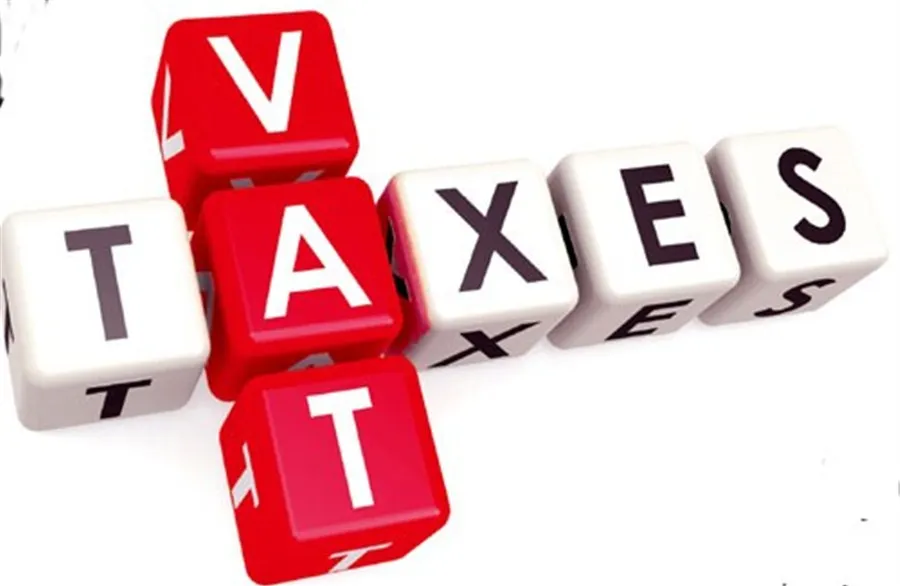
One of the main issues is overreliance on indirect taxes, such as VAT, which disproportionately affect low-income earners. A more progressive tax system, targeting high-net-worth individuals and corporations, could ease the burden on the average citizen while generating sustainable revenue. Additionally, simplifying the tax code can reduce compliance costs for businesses, particularly small and medium enterprises (SMEs), which form the backbone of Kenya’s economy.
The complexity of Kenya’s tax code is a barrier to compliance and economic participation. Simplifying the tax structure by reducing the number of taxes and harmonizing tax rates can lower compliance costs for businesses and individuals. Streamlining the process can encourage more people to participate in the formal economy, thus broadening the tax base and increasing revenue without increasing tax rates.
Improving tax compliance is essential for generating sufficient revenue. This can be achieved through better enforcement mechanisms, technology-driven solutions, and public education. For instance, the Kenya Revenue Authority (KRA) can leverage data analytics and digital platforms through I-tax to monitor and improve tax collection. Educating the public on the importance of tax compliance and the direct benefits it brings to society, such as improved infrastructure and social services, can foster a culture of compliance.


Tax evasion and avoidance are significant challenges in Kenya. To address this, the government needs to implement stricter measures and close loopholes that allow for such practices. Introducing more robust audit systems and increasing penalties for non-compliance is key to handle tax evasion and fostering international cooperation to tackle cross-border tax evasion can significantly improve tax collection and fairness in the system.
In conclusion, tax reforms are crucial for unlocking Kenya’s economic potential. By simplifying the tax code, enhancing compliance, reducing evasion, supporting SMEs, and encouraging investment, Kenya can build a more robust, inclusive, and dynamic economy. These reforms not only increase revenue but also create a fairer and more prosperous society for all Kenyans.