Sharp Daily
No Result
View All Result
Wednesday, December 10, 2025
  • Home
  • News
    • Politics
  • Business
    • Banking
  • Investments
  • Technology
  • Startups
  • Real Estate
  • Features
  • Appointments
  • About Us
    • Meet The Team
Sharp Daily
  • Home
  • News
    • Politics
  • Business
    • Banking
  • Investments
  • Technology
  • Startups
  • Real Estate
  • Features
  • Appointments
  • About Us
    • Meet The Team
No Result
View All Result
Sharp Daily
No Result
View All Result
Home News

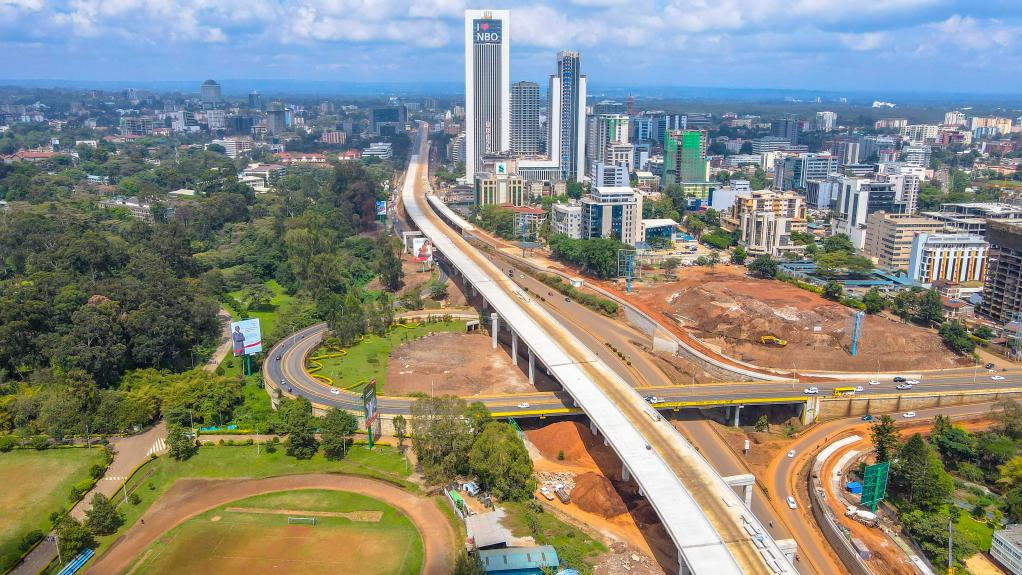
High-rise highs and lows: Exploring the trade-offs of skyscrapers in Nairobi

Joseph Muriithi by Joseph Muriithi
April 5, 2024
in News
Reading Time: 2 mins read

Proposals to construct high-rise buildings have been put forward as a solution to the land scarcity facing Nairobi’s rapidly growing population. However, these towering structures come with a number of disadvantages that could significantly impact residents and the environment, experts warn.

The proponents of high-rise development are said to be high-profile individuals, suggesting the gravity of the issue. But while tall buildings may be an alternative, they carry a range of potential problems.

Firstly, living in skyscrapers often results in elevated expenses for residents. The construction and maintenance of these colossal edifices incur substantial costs, which are then passed on through increased rents or fees. Utilities like heating, cooling and electricity also tend to be more expensive in high-rise buildings, adding to the financial burden on occupants.

Furthermore, high-rise living can exacerbate social isolation and detachment within communities. With hundreds or even thousands of people sharing the same vertical space, neighbours may remain strangers, eroding the sense of community typically found in low-rise areas. This lack of interaction and social cohesion can foster feelings of loneliness and disconnection among residents.


RELATEDPOSTS

Investing in 2026: because “nitaanza kesho” has expired.

December 10, 2025

Tanzania’s independence day 2025: a nation mourns as celebrations give way to crisis

December 9, 2025

Safety is another key concern. Evacuating tall buildings during emergencies can be complex and time-consuming, particularly for elderly or disabled individuals. Skyscrapers are also more susceptible to damage from natural disasters, posing increased risks to occupants and emergency responders.

From an environmental standpoint, high-rise structures leave a significant ecological footprint. The construction process consumes vast quantities of resources, contributing to carbon emissions and environmental degradation. The high population density also strains local infrastructure and natural resources, resulting in heightened pollution, congestion and pressure on public services.

Moreover, high-rise living can negatively impact mental health and well-being. Limited access to green spaces and natural light, combined with constant noise and congestion, can lead to stress, anxiety and depression among residents. The vertical nature of these buildings can also induce feelings of confinement, particularly for those on higher floors.

As cities like Nairobi continue to expand vertically, experts say it is crucial to prioritize the well-being and sustainability of urban development, ensuring that tall buildings contribute positively to human flourishing without compromising the environment.


Previous Post

Maximizing revenue: Strategies for REIT managers

Next Post

Understanding the Privatization Act 2023

Joseph Muriithi

Joseph Muriithi

Related Posts

News

Kenya’s Growing Credit Culture

December 10, 2025
News

The Rise of Corporate Bonds

December 10, 2025
News

Kenya’s real estate market shows mixed recovery in late 2025

December 10, 2025
Analysis

Investing in 2026: because “nitaanza kesho” has expired.

December 10, 2025
Safaricom raises KSh 20 Billion from green bond, set to return excess funds to investors
Investments

Safaricom raises Ksh 20 billion from green bond, set to return excess funds to investors

December 10, 2025
News

Kenya’s banking sector: Resilience amid slow growth and rising costs

December 9, 2025

LATEST STORIES

Kenya’s Growing Credit Culture

December 10, 2025

The Rise of Corporate Bonds

December 10, 2025

Kenya’s real estate market shows mixed recovery in late 2025

December 10, 2025

Investing in 2026: because “nitaanza kesho” has expired.

December 10, 2025

Loan apps in Kenya: How they work and what makes them stand out

December 10, 2025
Safaricom raises KSh 20 Billion from green bond, set to return excess funds to investors

Safaricom raises Ksh 20 billion from green bond, set to return excess funds to investors

December 10, 2025

KCB m-Pesa: Transforming digital lending and savings for kenyans

December 9, 2025

Kenya’s banking sector: Resilience amid slow growth and rising costs

December 9, 2025
  • About Us
  • Meet The Team
  • Careers
  • Privacy Policy
  • Terms and Conditions
Email us: editor@thesharpdaily.com

Sharp Daily © 2024

No Result
View All Result
  • Home
  • News
    • Politics
  • Business
    • Banking
  • Investments
  • Technology
  • Startups
  • Real Estate
  • Features
  • Appointments
  • About Us
    • Meet The Team

Sharp Daily © 2024