The Kenyan Shilling has experienced a persistent decline against major currencies, including the US dollar, British pound, and Euro. Notably, in 2023, it depreciated by 26.8% against the US Dollar, 34.3% against the British Pound, and 32.0% against the Euro.
By 2024, the Shilling is nearing the historical mark of KES 160.0 against the US dollar, having depreciated by 1.8% year-to-date, standing at 159.9 from the initial 157.0 at the beginning of the year. Additionally, it has surpassed KES 200.0 against the British Pound, closing the week at KES 203.2.
This depreciation has adversely impacted the economy, causing an increase in the import bill, inflation, and a reduction in consumers’ purchasing power. Concerns have also been raised about the sustainability of external debt, with 67.1% denominated in US dollars as of June 2023.
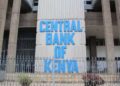
In response, the Central Bank of Kenya (CBK) has attempted to stabilize the Shilling by tightening monetary policy and intervening in the foreign exchange market. However, these efforts, including a benchmark lending rate increase to 12.5% in December 2023, have not halted the Shilling’s decline.


Underlying factors contributing to the Shilling’s weakness persist, including a persistent current account deficit driven by high demand for foreign currency due to the country’s net importer status. Key imports such as petroleum products, machinery, and transport equipment contribute significantly to the import bill. Despite currency depreciation theoretically boosting exports, Kenya’s main exports (tea, horticulture, and coffee) have failed to offset the growing import bill.
The country’s inflation rate remains elevated, standing at 6.6% in December 2023, contributing to the erosion of the Shilling’s value and diminishing attractiveness to investors. Notably, the inflation is more cost-driven than demand-driven, with increased prices of imports like fuel and food being primary contributors.
Foreign exchange reserves, essential for economic stability, have been dwindling since August 2023, falling below the statutory requirement of 4.0 months of import cover. As of now, reserves stand at USD 6.8 billion, compared to USD 8.8 billion in January 2022. Factors such as external debt repayment, reduced tourism, and foreign direct investment inflows have contributed to this decline.
In conclusion, addressing the Shilling’s depreciation requires a comprehensive and coordinated strategy to tackle structural and behavioral factors affecting the exchange rate. The CBK should monitor market developments and employ appropriate monetary policy tools, while the government should implement fiscal and structural reforms to reduce the fiscal deficit, encourage foreign direct investment, diversify the export base, cut government spending, and combat corruption.