Sharp Daily
No Result
View All Result
Thursday, May 21, 2026
  • Home
  • News
    • Politics
  • Business
    • Banking
  • Investments
  • Technology
  • Startups
  • Real Estate
  • Features
  • Appointments
  • About Us
    • Meet The Team
Sharp Daily
  • Home
  • News
    • Politics
  • Business
    • Banking
  • Investments
  • Technology
  • Startups
  • Real Estate
  • Features
  • Appointments
  • About Us
    • Meet The Team
No Result
View All Result
Sharp Daily
No Result
View All Result
Home News

A deep dive into Kenya’s land grabbing crisis

Bright Hekima by Bright Hekima
January 5, 2024
in News
Reading Time: 3 mins read

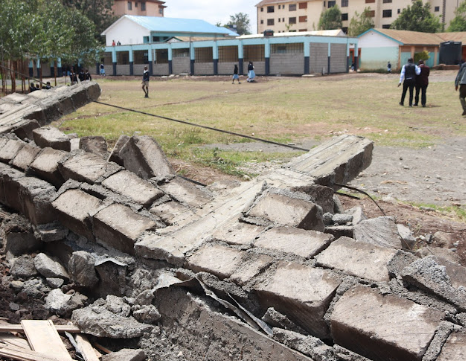
The pervasive challenge of land grabbing has cast a lingering shadow over the nation’s development, intensifying social tensions. Rooted in historical injustices and contemporary greed, this issue persists, perpetuating the marginalization and oppression of numerous communities.

Historically, land grabbing in Kenya traces back to the colonial era, where vast expanses of land were forcibly seized from local communities. Post-independence, influential individuals and entities have exploited legal loopholes, corruption, and weak land governance structures to illegitimately acquire land.

Recent reports indicate a worsening situation, with vulnerable communities such as indigenous groups and small-scale farmers facing unlawful land acquisitions. These activities often involve dubious legal maneuvers, coercion, or outright violence, leaving affected individuals with limited recourse.

The 2003 Ndung’u Land Commission Report, chaired by former Chief Justice Andrew Hayanga Ndung’u, delved into the illegal allocation of public land in Kenya. Uncovering widespread corruption and irregular practices, the report exposed instances where public land was acquired and allocated without due process, leading to the dispossession of legitimate landowners and communities.


RELATEDPOSTS

Cable Experts to acquire 68% stake in East African Cables from TransCentury

May 20, 2026

Kenyan crypto traders face identity disclosure requirements under proposed Finance Bill 2026 changes

May 12, 2026

The consequences of land grabbing are severe, resulting in displaced communities grappling with homelessness, loss of livelihoods, and severed cultural ties to ancestral lands. Insecure land tenure also impedes access to essential services like education and healthcare, perpetuating cycles of poverty and inequality.

Civil society organizations and activists advocate for reforms to address this pervasive issue. They call for enhanced legal protections for land rights, transparent land governance, and the prosecution of those involved in illegal land acquisitions. Additionally, there are appeals for fair compensation and resettlement of affected communities.

Internationally, the issue has attracted attention, with human rights organizations and foreign governments urging Kenya to take decisive action against land grabbing. Foreign investment in land acquisition is also under scrutiny, emphasizing the need for responsible and ethical practices that respect local land rights.

Addressing the root causes of land grabbing necessitates legislative reforms, robust law enforcement, community empowerment, and transparent land governance. A collective effort from all stakeholders, including the government, civil society, and the international community, is crucial to safeguard the rights of Kenyan citizens and ensure equitable access to land. As Kenya progresses on its development journey, resolving the issue of land grabbing emerges as a pivotal step towards fostering a more just and equitable society for all citizens.



Previous Post

El-nino death toll rises to 170, govt confirms

Next Post

Cellulant appoints Peter O’Toole as acting CEO as Grover exits

Bright Hekima

Bright Hekima

Related Posts

John Mbadi, Kenya's treasury secretary, during an interview in Nairobi, Kenya, on Wednesday, Aug. 20, 2025. Kenya is in talks with China to convert dollar-denominated debt the East African nation owes its biggest bilateral lender to yuan and extend the repayment period, Mbadi said. Photographer: Kang-Chun Cheng/Bloomberg via Getty Images
Analysis

Finance bill 2026: Key changes set to shape kenya’s economy

May 20, 2026
News

The relationship between interest rates and equity market performance

May 20, 2026
News

The impact of exchange rate volatility on investment decisions

May 19, 2026
Entertainment

The Spotify “Disco Ball” Branding Stunt

May 18, 2026
News

The influence of commodity prices on investment markets

May 18, 2026
News

Safaricom’s fuel strategy highlights growing energy risks facing Africa’s digital economy

May 15, 2026

LATEST STORIES

Cable Experts to acquire 68% stake in East African Cables from TransCentury

May 20, 2026
John Mbadi, Kenya's treasury secretary, during an interview in Nairobi, Kenya, on Wednesday, Aug. 20, 2025. Kenya is in talks with China to convert dollar-denominated debt the East African nation owes its biggest bilateral lender to yuan and extend the repayment period, Mbadi said. Photographer: Kang-Chun Cheng/Bloomberg via Getty Images

Finance bill 2026: Key changes set to shape kenya’s economy

May 20, 2026

The relationship between interest rates and equity market performance

May 20, 2026

The impact of exchange rate volatility on investment decisions

May 19, 2026

Equity Group Holdings move to extend its footprint across Southern Africa

May 19, 2026

The Spotify “Disco Ball” Branding Stunt

May 18, 2026

Court to decide on Kenya’s Sh204 billion Safaricom stake sale

May 18, 2026

The influence of commodity prices on investment markets

May 18, 2026
  • About Us
  • Meet The Team
  • Careers
  • Privacy Policy
  • Terms and Conditions
Email us: editor@thesharpdaily.com

Sharp Daily © 2024

No Result
View All Result
  • Home
  • News
    • Politics
  • Business
    • Banking
  • Investments
  • Technology
  • Startups
  • Real Estate
  • Features
  • Appointments
  • About Us
    • Meet The Team

Sharp Daily © 2024