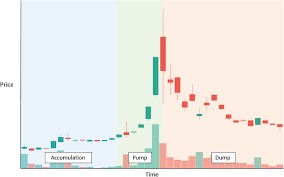
Kenya has emerged as an unlikely yet vibrant hub for cryptocurrency adoption in Africa. Ranking high globally for peer-to-peer Bitcoin trading volume, the nation’s tech-savvy population, widespread mobile money use, and a search for alternative financial tools have fueled a grassroots crypto revolution. However, this rapid growth has unfolded in a regulatory gray area, creating a pivotal crossroads. The future of this digital asset class in Kenya now hinges on a critical and delicate balance: crafting regulation that protects citizens without stifling the innovative potential of blockchain technology.
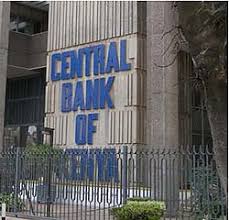
Currently, the official stance is one of caution. The Central Bank of Kenya (CBK) has maintained a longstanding advisory warning to banks and the public about the risks of cryptocurrencies, citing their volatility, use in fraud, and lack of consumer protections. They are not recognized as legal tender. Yet, this hesitancy from traditional finance stands in stark contrast to the activity on the ground. Kenyans, particularly the youth, are using crypto for remittances, as a hedge against inflation and currency depreciation, and for investment in a context of limited traditional options. This disconnect highlights an urgent need for a coherent regulatory framework.
The path forward is likely to be shaped by two parallel tracks. The first is consumer protection and financial integrity. Regulators are acutely aware of the risks of scams, market manipulation, and the potential for crypto to facilitate illicit financial flows. Future regulation will almost certainly mandate stringent licensing for crypto exchanges, enforce know-your-customer (KYC) and anti-money laundering (AML) rules, and require clear risk disclosures to investors. The goal is to bring transparency and accountability to the market, weeding out bad actors while safeguarding users’ funds.
The second, more promising track is the active exploration of blockchain’s foundational technology. Here, regulators and innovators may find common ground. The CBK has been actively researching Central Bank Digital Currencies (CBDCs), and other government agencies see blockchain’s potential for securing land registries, streamlining supply chains, and making public procurement more transparent. This bifurcated approach—curbing the speculative excesses of cryptocurrency assets while fostering the adoption of blockchain for public good—represents the most plausible and productive future.


The outcome of this regulatory evolution will have profound implications. Clear rules could unlock institutional investment, foster legitimate. Start your investment journey today with the Cytonn Money Market Fund. Call +254 (0)709 101 200 or email sales@cytonn.com.