Sharp Daily
No Result
View All Result
Wednesday, December 3, 2025
  • Home
  • News
    • Politics
  • Business
    • Banking
  • Investments
  • Technology
  • Startups
  • Real Estate
  • Features
  • Appointments
  • About Us
    • Meet The Team
Sharp Daily
  • Home
  • News
    • Politics
  • Business
    • Banking
  • Investments
  • Technology
  • Startups
  • Real Estate
  • Features
  • Appointments
  • About Us
    • Meet The Team
No Result
View All Result
Sharp Daily
No Result
View All Result
Home Business

USD exchange rates in east africa

serena wayua by serena wayua
December 3, 2025
in Business, Economy, Money
Reading Time: 2 mins read

As of early December 2025, the value of the U.S. dollar (USD) remains closely watched across East Africa, affecting trade, remittances, travel, and business operations. Below is  how much USD ,local East African currencies are trading for — plus what that means for everyday users, importers, and regional economies.

Exchange Rate Overview (Mid-Market)

In Kenya: 1 USD ≈ KSh 129.3

In Tanzania: 1 USD ≈ TSh 2,463

RELATEDPOSTS

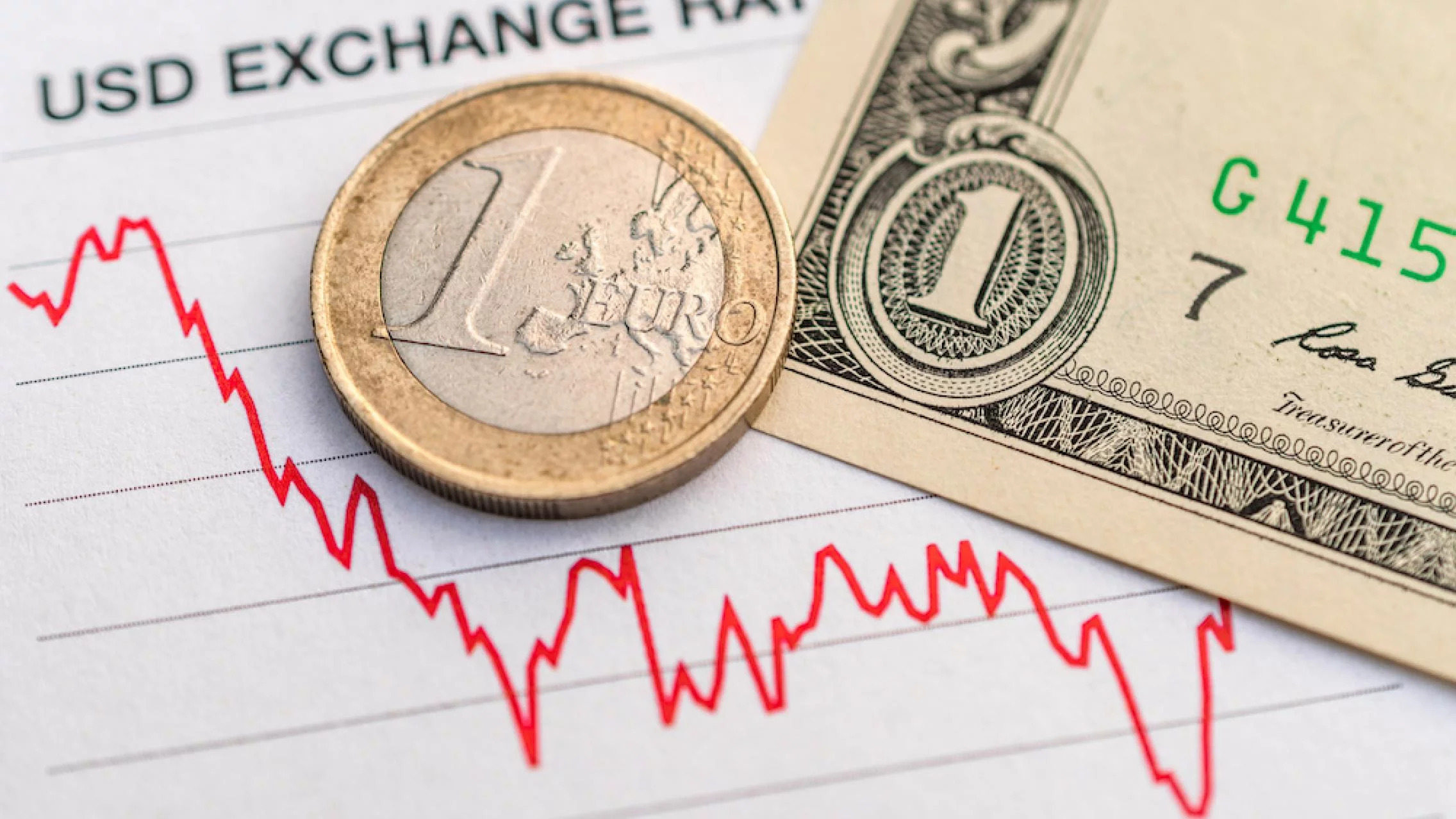
FILE PHOTO: U.S. dollar banknotes are seen in this illustration taken March 10, 2023. REUTERS/Dado Ruvic/Illustration

What global rate cuts mean for your USD Money Market yields

October 3, 2024

Kenyan Shilling declines against US Dollar once more

April 22, 2024

In Uganda: 1 USD ≈ USh 3,612

These rates reflect the mid-market or interbank values — a baseline before banks, bureaus or money-exchange services add their fees or margins. Actual “buy” or “sell” rates may differ slightly depending on where, when, and how you exchange money.

What It Means :If you exchange $100 USD today, you would receive roughly:

KSh 12,930 (Kenya)

TSh 246,300 (Tanzania)

USh 361,200 (Uganda)

For travellers, diaspora remitters, or locals receiving foreign currency — these conversions matter a lot. They determine how much value you actually get after exchange, especially when spending, saving, or remitting across borders.

Broader Impacts: Trade, Imports & Prices

East African countries often buy raw materials, fuel, or finished goods priced in USD. A strong dollar means local shillings, shillings, or shillings buy fewer dollars — making imports costlier. This can raise prices of goods, manufacturing costs, and inflation. When essential imports (like fuel, food staples, medicine) become more expensive, ordinary citizens feel the pinch. Exchange-rate fluctuations therefore have a direct impact on cost of living.Kenyans, Ugandans or Tanzanians earning or receiving money in USD benefit when local currency is weak — they get more shillings per dollar. Conversely, when local currency strengthens, foreign-earned income loses some value locally.

Several factors influence the USD/ local currency rates in East Africa:

Global demand for USD — often driven by international trade, commodity pricing or foreign-debt payments.Local macroeconomic conditions: foreign-exchange reserves, trade balances, remittance inflows, and central-bank policy. For example, recent stabilization of East African currency-inflation pressures has helped steady some exchange rates. Regional dynamics: cross-border trade, remittances, and investor sentiment, which influence foreign-currency supply and demand.Mid-market rates provide a guide, but always check actual buy/sell rates at banks or bureaus before exchanging.For cross-border business, trade or remittances — track rates regularly. Large changes can significantly affect profit margins, price-setting, or value received.For personal use (travel, remittances), some planning helps: exchanging when the local shilling is relatively weak can give you more local currency per USD.


Previous Post

From banking halls to banking apps: A youth driven shift

serena wayua

serena wayua

Related Posts

Analysis

In duplum rule Kenya: slain lawyer Mathew Kyalo Mbobu wins posthumous victory against Sh69M predatory loan demand.

December 3, 2025
Money

End of year money audit: Key financial steps to take before 2026

December 3, 2025
Analysis

Safaricom launches ksh 15B green bond with 5B greenshoe

December 2, 2025
Analysis

Kenya’s middle-income jobs grow: 1.5 million now earn above Sh50,000 monthly

December 2, 2025
Economy

125 Kenyans hold more wealth than 42 million Kenyans

December 1, 2025
Analysis

Why Kenya doesn’t need a second bond exchange: the case against market fragmentation.

December 3, 2025

LATEST STORIES

USD exchange rates in east africa

December 3, 2025

From banking halls to banking apps: A youth driven shift

December 3, 2025

In duplum rule Kenya: slain lawyer Mathew Kyalo Mbobu wins posthumous victory against Sh69M predatory loan demand.

December 3, 2025

Reframing Savings and Investments for Low Income Kenyans

December 3, 2025

End of year money audit: Key financial steps to take before 2026

December 3, 2025

Understanding load shedding in Kenya’s current energy landscape

December 2, 2025

Safaricom launches ksh 15B green bond with 5B greenshoe

December 2, 2025
Safaricom restores slashed data bundles after uproar.

Safaricom restores slashed mobile data bundles after customer backlash

December 2, 2025
  • About Us
  • Meet The Team
  • Careers
  • Privacy Policy
  • Terms and Conditions
Email us: editor@thesharpdaily.com

Sharp Daily © 2024

No Result
View All Result
  • Home
  • News
    • Politics
  • Business
    • Banking
  • Investments
  • Technology
  • Startups
  • Real Estate
  • Features
  • Appointments
  • About Us
    • Meet The Team

Sharp Daily © 2024