
Sharp Daily
No Result
View All Result
Wednesday, February 4, 2026
  • Home
  • News
    • Politics
  • Business
    • Banking
  • Investments
  • Technology
  • Startups
  • Real Estate
  • Features
  • Appointments
  • About Us
    • Meet The Team
Sharp Daily
  • Home
  • News
    • Politics
  • Business
    • Banking
  • Investments
  • Technology
  • Startups
  • Real Estate
  • Features
  • Appointments
  • About Us
    • Meet The Team
No Result
View All Result
Sharp Daily
No Result
View All Result
Home Investments

US tariffs and real estate in Kenya

Brian Otieno by Brian Otieno
April 14, 2025
in Investments, Real Estate
Reading Time: 2 mins read

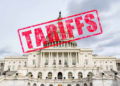
True to his campaign pledge, Trump finally ‘liberated’ Americans from the pressures of inflation and high cost of living by slapping a host of countries, Kenya included with tariffs. To bring you up to speed, Trump ran a campaign of economically liberating America with key proposals including trade policies, tax policies and controlling immigration. For a better grasp, tariffs are taxes imposed on imported goods to protect domestic industries by making imported commodities more expensive leading to a reduction in their demand – a trade policy in action.

Kenya received a blow after being hit by a 10.0 % baseline tariff with a possible additional 10% due to “alleged currency manipulation and trade imbalances.” These tariffs which will no doubt have significant negative implications on the Kenyan Economic landscape with specific implications on Real Estate.

Deployed to combat trade deficits, these tariffs will aim and fire at Kenya`s main exports (Tea, coffee, textiles and horticultural products).  Kenyan exports to the United States were valued at KES 60.5 billion as at October 2024, highlighting how Kenyan exports to America have created fortunes to the Kenyan Economy.

Imposing tariffs on Kenyan exports will translate to a decline in export revenues thereby reducing foreign exchange inflows which will also trickle down a sector highly sensitive to liquidity. As the disposable incomes reduce the demand for real estate products will also tank as investors will be considering their portfolio decision.
RELATEDPOSTS

Kenya eyes opportunity amid U.S. tariff shake-up

April 9, 2025
Centum Real Estate managing director Samuel Kariuki.

Centum Investment Company Plc Loss Trend Persists

July 28, 2023

The second effect will be on the construction costs due to retaliatory measures imposed by countries like China where Kenya sources most of her construction inputs. This would lead to an increase in building materials like cement and steel. The increasing inputs prices are likely to be mirrored in the overall property prices reducing intake which further leads to reduced profits. Reduced profits will eventually chase away sector investors.

On the flip side, reduced export earnings would mean weakening kenyan. This will mean favorable property prices for foreigners.  Foreigners are likely to increase their investment in real estate in Kenya focusing on the Special Economic Zones where activities such as manufacturing mighty shift to offset the export losses.

While the tariffs will present challenges to the real estate, they will also push the sector players particularly the investors, to be more innovative and explore more resilient niches in the economy to counter the disruptive forces of Trump economics in real estate

Previous Post

The rise of the credit card debt in the US and takes for Kenya

Next Post

Geoffrey Ruku declares KES 377M net worth during CS vetting

Brian Otieno

Brian Otieno

Related Posts

Analysis

Why Money Market Funds still matter

January 27, 2026
Analysis

NSE bond trades hit record Sh2.7 trillion on investor surge

January 23, 2026
Investments

Strategic ownership shifts are reshaping the NSE Equity landscape

January 22, 2026
The up arrow shows the inflation rate. Interest rates increase, home loan, mortgage, house tax. investment and asset management concept. percentage for increasing interest rates with stacks coins
Investments

Understanding Private Equity (P.E) in Kenya

January 21, 2026
Analysis

Kenyan investors allocated 60 percent of KPC shares in landmark IPO

January 20, 2026
Analysis

Kenyan investors can buy up to 60% of 11.8 billion KPC shares at Sh9 each

January 20, 2026

LATEST STORIES

How international accreditation can strengthen healthcare training in Kenya

February 4, 2026

Is Mobile Money Making Kenyans Better Savers or Better Spenders

February 4, 2026

Temporal Economics in the Age of Influencer Mediated Markets

February 4, 2026

Corporate bond turnover rises in 2025 but liquidity remains far below historical levels

February 3, 2026

How digital advertising has reshaped Kenya’s promotional playbook

February 3, 2026

From zero to safety: How to grow your emergency savings

February 3, 2026

Fixed Income: The anchor every diversified portfolio needs

February 3, 2026

Your bank balance is living in your past

February 3, 2026
  • About Us
  • Meet The Team
  • Careers
  • Privacy Policy
  • Terms and Conditions
Email us: editor@thesharpdaily.com

Sharp Daily © 2024

No Result
View All Result
  • Home
  • News
    • Politics
  • Business
    • Banking
  • Investments
  • Technology
  • Startups
  • Real Estate
  • Features
  • Appointments
  • About Us
    • Meet The Team

Sharp Daily © 2024