Sharp Daily
No Result
View All Result
Friday, January 9, 2026
  • Home
  • News
    • Politics
  • Business
    • Banking
  • Investments
  • Technology
  • Startups
  • Real Estate
  • Features
  • Appointments
  • About Us
    • Meet The Team
Sharp Daily
  • Home
  • News
    • Politics
  • Business
    • Banking
  • Investments
  • Technology
  • Startups
  • Real Estate
  • Features
  • Appointments
  • About Us
    • Meet The Team
No Result
View All Result
Sharp Daily
No Result
View All Result
Home News

Tala’s USDC Credit Plan Signals a New Era for Blockchain-Based Lending

Susan by Susan
December 19, 2025
in News
Reading Time: 2 mins read

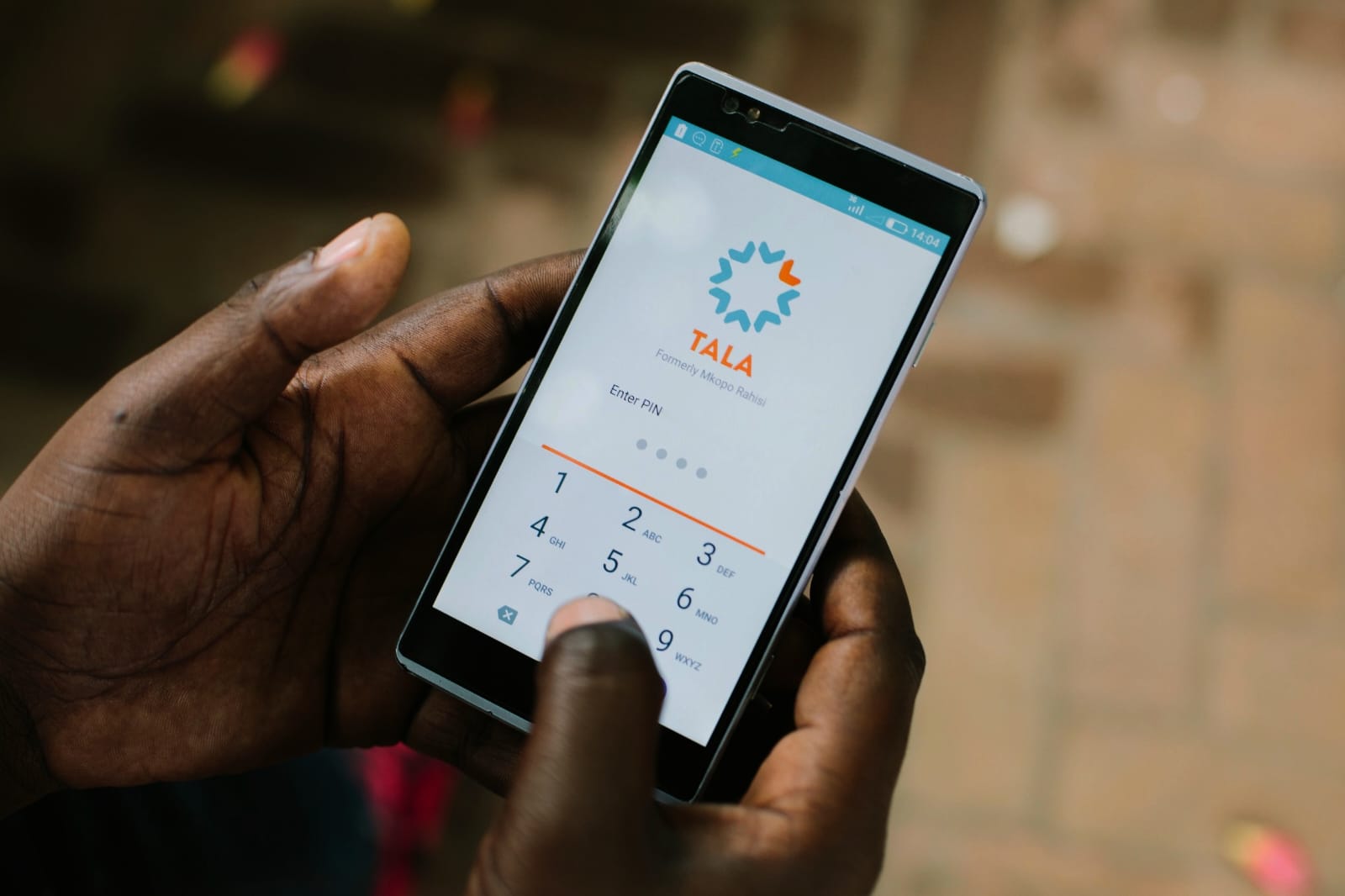
Tala has announced plans to launch KES 6.7 bn in credit through USDC, a dollar-backed stable coin, marking a major step into blockchain-based lending. The initiative blends Tala’s established digital lending model with decentralized finance infrastructure, allowing credit to be issued and managed on the blockchain. By using a stable coin pegged to the US dollar, Tala aims to reduce currency volatility while improving efficiency, transparency, and access to global capital. The primary target market for this initiative is underbanked individuals in emerging markets, particularly borrowers who lack access to traditional banking services or formal credit histories. These include small business owners, informal workers, and digitally active individuals who rely on mobile money and alternative financial platforms. Tala’s data-driven credit scoring system allows it to assess borrowers beyond conventional metrics, making blockchain lending accessible to populations often excluded from the formal financial system.

For Tala, the shift to USDC-based lending offers several strategic benefits. It enables the company to tap into international liquidity pools rather than depending solely on local funding sources, which are often limited and expensive. Blockchain infrastructure also improves operational efficiency by automating loan issuance, repayments, and tracking. In addition, tokenized lending creates opportunities for scalability, portfolio diversification, and improved risk management, strengthening Tala’s long-term sustainability. Borrowers stand to gain from faster loan disbursement, reduced transaction costs, and greater transparency. Since USDC transactions settle quickly on the blockchain, borrowers may experience shorter waiting periods compared to traditional lending channels. The use of alternative credit assessment models also lowers entry barriers, enabling more people to access credit even without formal banking records.

For lenders and investors, the model introduces a new asset class backed by real-world loan performance. Blockchain records provide clear visibility into loan behavior, enhancing trust and risk evaluation. Investors can participate in lending markets with improved liquidity and transparency, while spreading risk across diversified borrower pools.

Tala’s USDC credit plan reflects a growing convergence between fintech and decentralized finance. By combining blockchain technology with inclusive lending, the initiative has the potential to reshape credit markets and expand financial access across emerging economies.


RELATEDPOSTS

Self-Insurance by Another Name: The Rise of Investment Based Risk Management

January 9, 2026

The Economics of Working Abroad: Where Opportunity Meets Trade-Offs

January 9, 2026
Previous Post

Health Insurance Fraud in Kenya: Why Insurers Must Rethink Their Risk Management Approach

Next Post

Is Government a Facilitator or an Investor? Rethinking the State’s Role in Economic Development

Susan

Susan

Related Posts

News

The Economics of Working Abroad: Where Opportunity Meets Trade-Offs

January 9, 2026
News

The Question of Country Risk: Why Perception Matters as Much as Reality

January 9, 2026
News

How Early Campaign Cycles Shape Business Confidence and Investment Timing

January 9, 2026
News

Financial literacy as an investment

January 9, 2026
News

Kenya’s Trade Deficit with China Widens to Kes 475.6 Bn

January 9, 2026
News

When borrowing masks structural weaknesses

January 9, 2026

LATEST STORIES

Self-Insurance by Another Name: The Rise of Investment Based Risk Management

January 9, 2026

The Economics of Working Abroad: Where Opportunity Meets Trade-Offs

January 9, 2026

The Question of Country Risk: Why Perception Matters as Much as Reality

January 9, 2026

How Early Campaign Cycles Shape Business Confidence and Investment Timing

January 9, 2026

From Shadow to Structure: What CBK’s Licensing of Digital Lenders Means for Kenya’s Credit Market

January 9, 2026

Financial literacy as an investment

January 9, 2026

How Equities and Fixed Income Markets Will Shape Pension Scheme Performance in Kenya in 2025

January 9, 2026

Kenya’s Trade Deficit with China Widens to Kes 475.6 Bn

January 9, 2026
  • About Us
  • Meet The Team
  • Careers
  • Privacy Policy
  • Terms and Conditions
Email us: editor@thesharpdaily.com

Sharp Daily © 2024

No Result
View All Result
  • Home
  • News
    • Politics
  • Business
    • Banking
  • Investments
  • Technology
  • Startups
  • Real Estate
  • Features
  • Appointments
  • About Us
    • Meet The Team

Sharp Daily © 2024