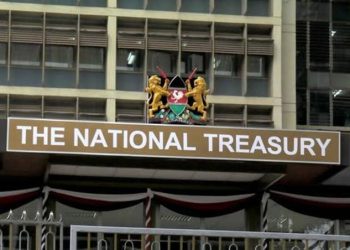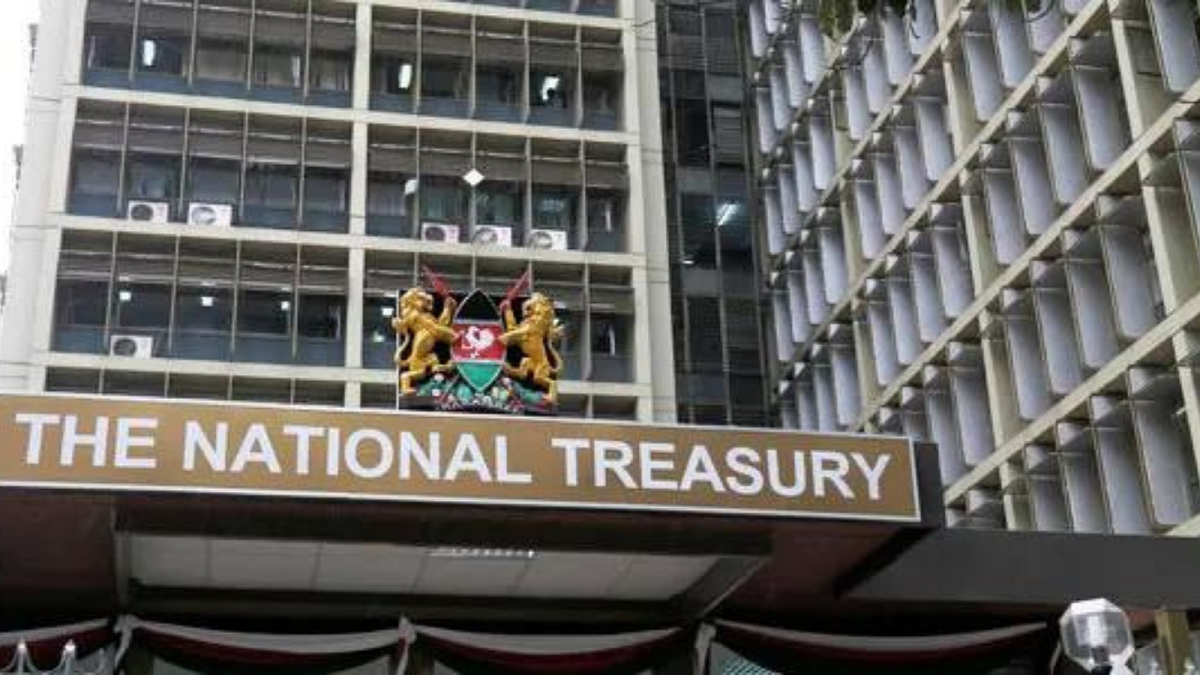
There have been numerous policy decisions that have sparked controversy and debate. However, the recent proposal by the government to tax insurance payouts for compensation for losses has ignited a storm of criticism and raised concerns among both insurers and policyholders, in addition to myself. This move has sent shockwaves through the insurance industry and left many questioning the rationale behind such a decision.
According to the proposed Finance Bill 2023, the government aims to levy a 16% tax on insurance payouts. While the government argues that this move is intended to boost tax revenues and encourage policyholders to utilize insurance coverage wisely, it has faced strong opposition from various quarters.
Read more: The Controversy Surrounding Taxation of Insurance
One of the key concerns of insurers and policyholders is the potential burden this tax would place on individuals who have already suffered losses. Insurance is designed to provide financial protection and help policyholders recover from unforeseen events. By taxing insurance payouts, the government would effectively tax a loss someone has experienced, thereby reducing their ability to recover from that loss. This would hamper the financial support available to individuals during times of distress, undermining the very purpose of insurance.


How would individuals who have lost something dear to them feel about losing a further portion of their compensation taken away as tax, having sacrificed to have something to fall back on? This would not make anyone feel any relief; the amount received might even be less than required to replace the loss. And what about life insurance holders, for whom this money is supposed to cushion spouses and children?
Moreover, this tax proposal raises questions about fairness and double taxation. Insurance premiums are already subject to value-added tax (VAT) at a rate of 16%, and introducing an additional tax on payouts appears to be an unfair burden on policyholders. In layman’s terms, one would have paid VAT on the premiums they paid to the insurer and again pay tax on the money they got in case of a loss.
Read more: Kenya Reinsurance Corporation Announces Kshs 3.6 billion Net Profit
It is important to recognize that individuals purchase insurance policies with the expectation of receiving support in times of need and taxing these payouts diminishes the value of insurance coverage.
Furthermore, the move’s potential impact on the insurance industry itself needs to be evaluated. In a country where insurance penetration remains low at 2.2% of GDP compared to the global average of 7.2% in 2022, insurers argue that taxing payouts could discourage individuals from investing in insurance products, leading to a decline in policy uptake. This, in turn, may have far-reaching consequences for the industry’s stability and growth, as well as the ability of insurers to cover risks and provide timely payouts adequately.
While the government’s aim to increase tax revenues is understandable, assessing the potential long-term consequences of such a decision is crucial. The insurance industry plays a vital role in the economy by promoting financial stability and protecting individuals and businesses from significant losses. Imposing an additional tax on insurance payouts could have unintended negative consequences, including reduced coverage and a diminished willingness to invest in insurance products.
The government must engage in a comprehensive dialogue with stakeholders, including insurers, policyholders, and industry experts, to fully understand the potential implications of this tax proposal. Alternatives should also be explored, such as incentivizing insurance coverage through tax breaks or promoting financial literacy to encourage responsible insurance usage. A more collaborative and thoughtful approach is needed to ensure that any policy decisions balance boosting tax revenues and safeguarding the financial security of individuals and businesses.
Email your news TIPS to editor@thesharpdaily.com