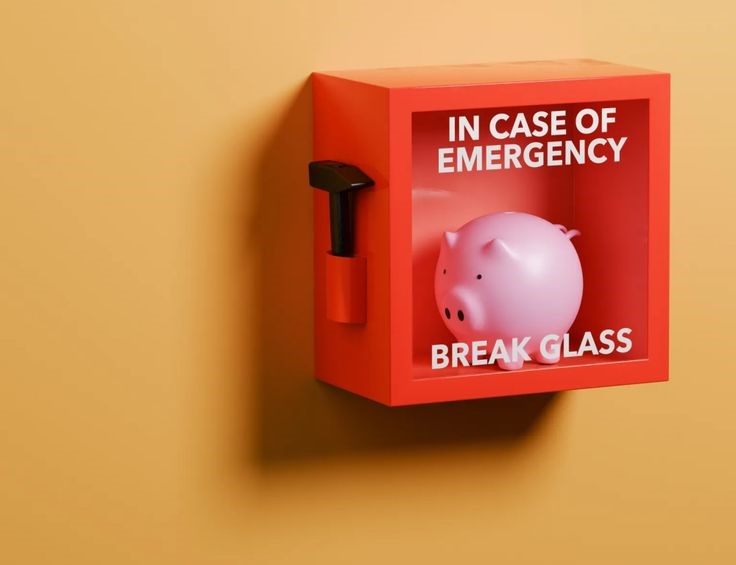
Financial stability is built on careful planning and prudent money management. One of the most important foundations of personal finance is an emergency fund, a reserve of money set aside to cover unexpected expenses such as medical bills, job loss, or urgent home repairs. For many Kenyans, starting an emergency fund from scratch may feel overwhelming, but with structured steps, it is both achievable and essential for long-term financial security.
The first step in creating an emergency fund is assessing personal finances. Understanding income, regular expenses, and debt obligations provides a clear picture of how much can be set aside each month. For Kenyans living in urban areas such as Nairobi or Mombasa, budgeting tools or simple spreadsheets can help track income and outflows, ensuring that contributions toward the fund are realistic and consistent. Even small, regular contributions can accumulate over time to form a substantial financial safety net.
Next, deciding on the target amount is critical. Financial experts typically recommend setting aside three to six months’ worth of essential expenses. For those just starting, the focus should be on building a smaller, immediate goal, such as one month’s expenses, and gradually increasing it over time. This phased approach prevents discouragement and makes the process more manageable for individuals with limited disposable income.
Where to keep an emergency fund is equally important. The ideal option balances accessibility with safety. In Kenya, savings accounts, mobile money wallets, or microfinance institutions can serve as practical options. These accounts allow quick access to funds in case of emergencies while earning modest interest, ensuring that the money does not lose value over time. It is crucial to avoid tying emergency savings in high-risk investments that may fluctuate and become inaccessible when urgently needed.


Maintaining discipline is a key challenge for first-time savers. It is important to use the emergency fund exclusively for unplanned expenses and not for discretionary spending. Setting automated transfers from a salary account or mobile money platform can help sustain regular contributions. Additionally, reviewing and adjusting the fund periodically ensures that it keeps pace with changing living costs and personal circumstances.
Finally, the benefits of having an emergency fund extend beyond covering immediate financial shocks. It reduces reliance on high-interest loans, prevents debt accumulation, and provides peace of mind. For Kenyan households, particularly those in fluctuating economic conditions, this safety net fosters resilience and greater confidence in navigating life’s uncertainties.
Starting an emergency fund from scratch may take time, but consistent effort and careful planning can create a reliable financial buffer. By prioritizing small, regular contributions, choosing the right savings vehicle, and maintaining discipline, Kenyans can build a strong foundation for financial security and long-term stability.