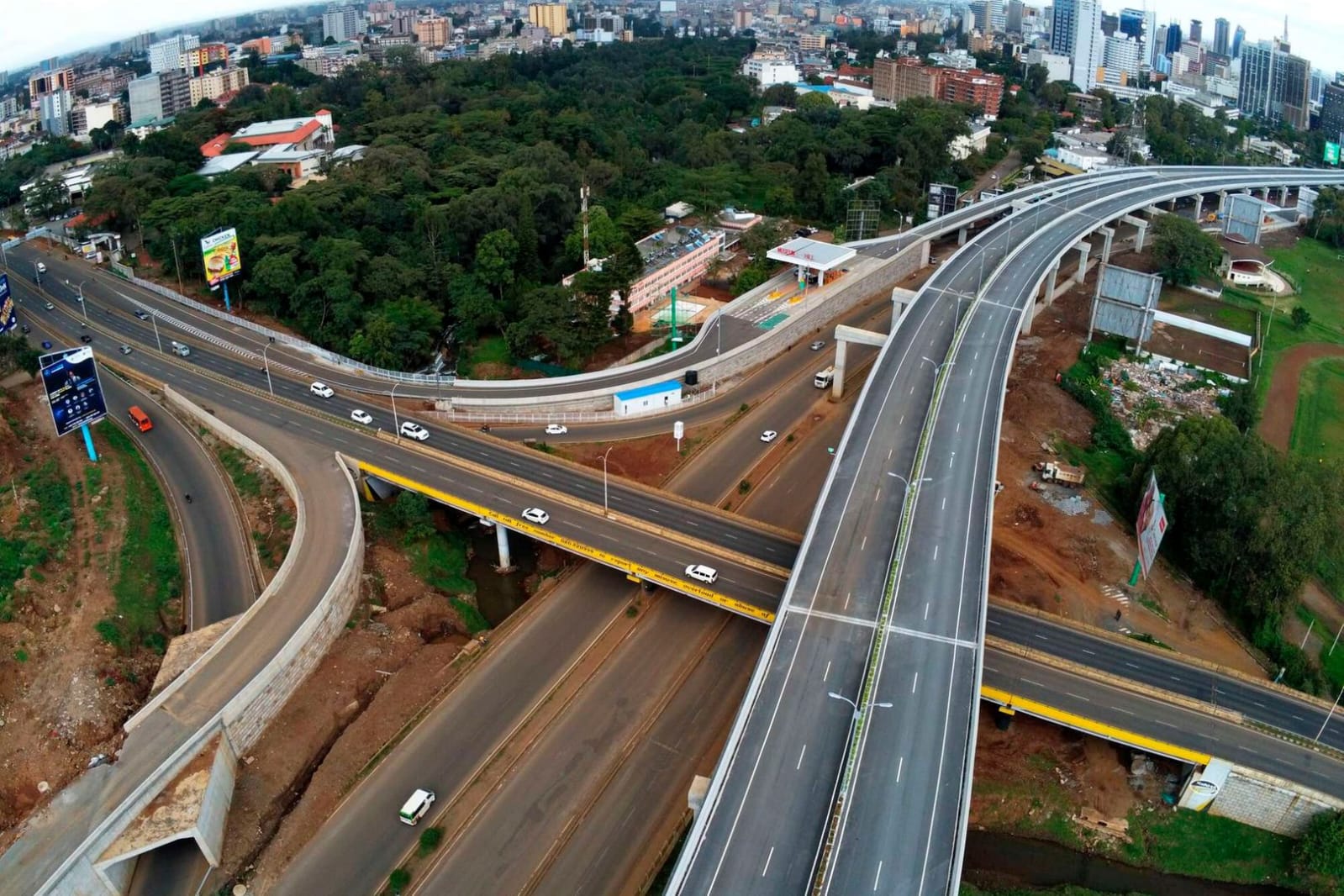
Road infrastructure is a foundational pillar of economic activity. Efficient roads lower transport costs, expand market access, and enhance urban mobility. In Kenya, ongoing and planned road projects by the Kenya Urban Roads Authority (KURA) are reshaping mobility patterns, stimulating commerce, and laying the groundwork for future productivity gains.
One significant project is the Waiyaki Way–Redhill Link Road, a 5.8km dual carriageway constructed by China Wu Yi Ltd. This road connects Waiyaki Way through Kyuna, Spring Valley, Kitusuru, and Peponi to Redhill, improving travel between Westlands and Ruaka. The new link reduces reliance on congested inner‑city routes, easing traffic jams and shortening commute times for thousands of motorists daily. It also links residential and commercial zones to key highways, unlocking economic value along the corridor.
Another priority is the Limuru Road and UN Avenue project. Currently underway, this expansion converts a major commuter and trade route into a dual carriageway with non‑motorized transport facilities, slip roads to the Northern Bypass, and improved lanes for cyclists and pedestrians. Once completed, the project will enhance traffic flows between Gigiri, Muthaiga, and Ruaka, supporting residential and business growth in the rapidly developing northern suburbs of Nairobi. These projects expand capacity, improve safety, and integrate urban centers with peri‑urban and regional networks.
The economic effects of these investments are multifaceted. Improved roads enhance connectivity, which expands labor market reach, increases trade efficiency, and lowers the cost of moving goods and people. Businesses benefit from reduced delivery times and access to larger consumer bases, while households save on travel costs and time. Moreover, well‑planned road projects tend to attract private investment in retail, housing, and services along their alignments, creating new economic clusters.

There are transitional challenges. Construction can disrupt traffic and impose short‑term inconvenience, as seen when road sections are closed for upgrades or drainage improvements. However, authorities often engage stakeholders to minimize disruptions and ensure critical services continue during construction.
Looking ahead, Kenya’s push to expand and modernize its road network including link roads, bypasses, and arterial upgrades, positions the country to improve urban productivity, regional trade connectivity, and economic resilience. While challenges in maintenance and coordination remain, the overall direction underscores the pivotal role of road infrastructure in driving sustainable growth from household welfare to national competitiveness.