Sharp Daily
No Result
View All Result
Saturday, January 31, 2026
  • Home
  • News
    • Politics
  • Business
    • Banking
  • Investments
  • Technology
  • Startups
  • Real Estate
  • Features
  • Appointments
  • About Us
    • Meet The Team
Sharp Daily
  • Home
  • News
    • Politics
  • Business
    • Banking
  • Investments
  • Technology
  • Startups
  • Real Estate
  • Features
  • Appointments
  • About Us
    • Meet The Team
No Result
View All Result
Sharp Daily
No Result
View All Result
Home News

Reprieve for Kenyans as KPLC reduces cost of electricity tokens

Brenda Murungi by Brenda Murungi
February 8, 2024
in News
Reading Time: 1 min read

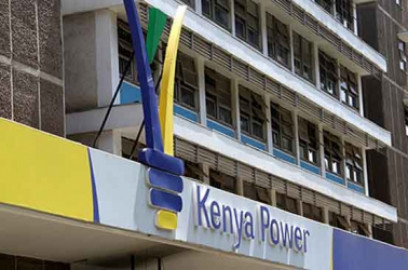
Energy Principal Secretary Alex Wachira has announced a reduction of KES 3.44 per unit in the cost of electricity for all categories of power consumers. He attributed this decrease to a decline in the foreign exchange adjustment rate, which dropped from KES 6.46 to KES 3.22.

This adjustment reflects the variation of hard currencies against the Kenyan Shilling, with the current exchange rate for the dollar standing at KES 160. Prepaid users began enjoying the new rates on Thursday 8, morning while postpaid users will pay less at the end of February.

Kenyans who purchased tokens on Wednesday worth KES 250 received 8.77 units whereas last month in January, the same amount only accounted for 7.82 units.

The government charges a 16 per cent VAT on the pre-paid units on several components such as fuel energy costs, fixed charges, consumption, foreign adjustments, demand charges and inflation adjustments.

RELATEDPOSTS

Ketraco’s Sh10bn pay halted: a power grid, public funds, and a deal that may never have existed.

December 23, 2025

Christmas in the dark? Kenya’s power grid faces a festive season shock

December 22, 2025

The PS had recently assured Kenyans of lower electricity prices, pointing to an abundance of hydropower supply. He explained in an interview that KPLC has shifted focus towards hydro-production over thermo-production due to improved hydrology and dam levels. As a result, the proportion of renewable energy in KPLC’s portfolio has risen from 92% to 96%, reducing thermo-plant generation from 8%-10% during low hydrology periods to 4%.

Previous Post

Hustlers to pay KES 3,000 daily for road reserve kiosks

Next Post

Kenya invites tender offers for KES 321 billion bond-buyback

Brenda Murungi

Brenda Murungi

Related Posts

News

What drives the decision to buy or rent property

January 30, 2026
News

Why Professional Investors Avoid “Cheap” Stocks

January 30, 2026
News

Kenya’s rank in Africa’s crime on “wash wash” and heroin deals

January 30, 2026
News

The Market’s Preference for Predictability Over Growth

January 30, 2026
News

Small Purchases, Big Impact

January 30, 2026
News

Is Kenya’s Government-to-Government Oil Import Deal Working, or Do We Need to Rethink It?

January 30, 2026

LATEST STORIES

What drives the decision to buy or rent property

January 30, 2026

Why Professional Investors Avoid “Cheap” Stocks

January 30, 2026

Kenya’s rank in Africa’s crime on “wash wash” and heroin deals

January 30, 2026

The Market’s Preference for Predictability Over Growth

January 30, 2026

Small Purchases, Big Impact

January 30, 2026

Is Kenya’s Government-to-Government Oil Import Deal Working, or Do We Need to Rethink It?

January 30, 2026

When banks are watched, economies are safer

January 30, 2026

The Economics of Staying Subscribed

January 30, 2026
  • About Us
  • Meet The Team
  • Careers
  • Privacy Policy
  • Terms and Conditions
Email us: editor@thesharpdaily.com

Sharp Daily © 2024

No Result
View All Result
  • Home
  • News
    • Politics
  • Business
    • Banking
  • Investments
  • Technology
  • Startups
  • Real Estate
  • Features
  • Appointments
  • About Us
    • Meet The Team

Sharp Daily © 2024