Sharp Daily
No Result
View All Result
Tuesday, May 19, 2026
  • Home
  • News
    • Politics
  • Business
    • Banking
  • Investments
  • Technology
  • Startups
  • Real Estate
  • Features
  • Appointments
  • About Us
    • Meet The Team
Sharp Daily
  • Home
  • News
    • Politics
  • Business
    • Banking
  • Investments
  • Technology
  • Startups
  • Real Estate
  • Features
  • Appointments
  • About Us
    • Meet The Team
No Result
View All Result
Sharp Daily
No Result
View All Result
Home News

Kenya to regulate buy-now-pay-later sector with new laws

Teresiah Ngio by Teresiah Ngio
November 20, 2024
in News
Reading Time: 1 min read
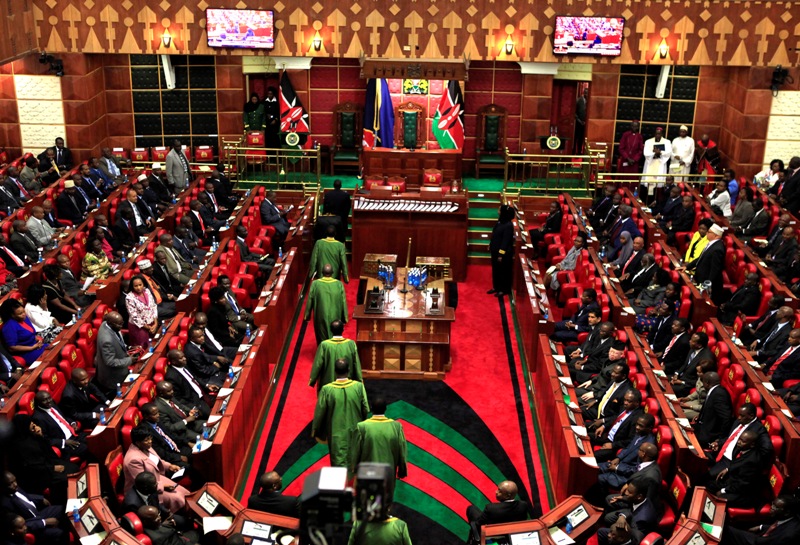
Kenya's Supreme Court judges file into the chamber during the opening of the 11th Parliament in the capital Nairobi April 16, 2013. REUTERS/Noor Khamis (KENYA - Tags: POLITICS) - RTXYNP5

Kenya's Supreme Court judges file into the chamber during the opening of the 11th Parliament in the capital Nairobi April 16, 2013. REUTERS/Noor Khamis (KENYA - Tags: POLITICS) - RTXYNP5

The National Assembly Committee on Finance and National Planning has initiated legislative efforts to regulate Kenya’s Buy-Now-Pay-Later (BNPL) credit sector. These proposals, outlined in three Bills—the Tax Laws (Amendment) Bill 2024, the Tax Procedures (Amendment) Bill 2024, and the Business Laws (Amendment) Bill 2024—aim to address concerns over consumer exploitation and predatory lending practices.

This initiative follows a petition by boda boda operators, who raised concerns about unfair practices by BNPL firms. “The proposed amendments are a necessary step to protect vulnerable borrowers from financial exploitation while ensuring the sector operates transparently,” noted a representative from the Finance and National Planning Committee.

The amendments include new consumer protection measures that set clear conditions for micro-lending, provide transparent information on financial costs, and define the responsibilities of both borrowers and lenders.

Key among the proposals is an amendment to the Central Bank Act, which would require non-deposit-taking credit providers to obtain licenses and adhere to regulations enforced by the Central Bank of Kenya (CBK). This move seeks to combat illegal lending practices and bring unregulated credit providers under official oversight.


RELATEDPOSTS

CIC insurance and Equity bank fined KES 1.2 bn for holding unclaimed assets in Kenya

October 29, 2025

All you need to know about the Cytonn Money Market Fund

May 16, 2025

“The proposed regulations will ensure fairness and accountability in the BNPL credit sector,” stated a CBK official. “By requiring licensing, we can enforce a code of conduct that protects consumers.”

The Business Laws (Amendment) Bill 2024 further mandates that microfinance businesses provide borrowers with accurate information about loan terms and financial costs while safeguarding borrower confidentiality. These provisions aim to improve transparency and promote ethical practices in the sector.

To address concerns about unethical loan recovery practices, the legislation explicitly prohibits lenders from harassment or using violence during debt collection. “During debt collection or loan recovery, non-deposit-taking microfinance businesses are prohibited from harassing, abusing, or oppressing borrowers or guarantors, using threats or violence, or employing obscene or profane language,” the Bill states.

Previous Post

CBK rolls out updated banknotes with enhanced security features

Next Post

East african revenue authorities push for tax harmonization and AI adoption

Teresiah Ngio

Teresiah Ngio

Related Posts

Entertainment

The Spotify “Disco Ball” Branding Stunt

May 18, 2026
News

The influence of commodity prices on investment markets

May 18, 2026
News

Safaricom’s fuel strategy highlights growing energy risks facing Africa’s digital economy

May 15, 2026
News

Why fuel prices in Africa stay high when oil prices fall — and who Mercy Corps is holding responsible

May 15, 2026
News

Hantavirus on a luxury cruise ship: what we know, what we don’t, and why the WHO says stay calm

May 15, 2026
News

How Government Borrowing Influences Market Interest Rate

May 15, 2026

LATEST STORIES

Equity Group Holdings move to extend its footprint across Southern Africa

May 19, 2026

The Spotify “Disco Ball” Branding Stunt

May 18, 2026

Court to decide on Kenya’s Sh204 billion Safaricom stake sale

May 18, 2026

The influence of commodity prices on investment markets

May 18, 2026

Safaricom’s fuel strategy highlights growing energy risks facing Africa’s digital economy

May 15, 2026

Member Engagement and Financial Literacy in Retirement Planning

May 15, 2026

Why fuel prices in Africa stay high when oil prices fall — and who Mercy Corps is holding responsible

May 15, 2026

Hantavirus on a luxury cruise ship: what we know, what we don’t, and why the WHO says stay calm

May 15, 2026
  • About Us
  • Meet The Team
  • Careers
  • Privacy Policy
  • Terms and Conditions
Email us: editor@thesharpdaily.com

Sharp Daily © 2024

No Result
View All Result
  • Home
  • News
    • Politics
  • Business
    • Banking
  • Investments
  • Technology
  • Startups
  • Real Estate
  • Features
  • Appointments
  • About Us
    • Meet The Team

Sharp Daily © 2024