Kenya’s Widening Income Inequality: Growth Without Shared Prosperity
Kenya’s economy continues to expand, yet the benefits of growth remain unevenly distributed. While macroeconomic indicators point to relative stability, income and wealth inequality continue to widen, reinforcing deep structural divides across households.
Inflation remained unchanged at 4.5% in December 2025, remaining within the Central Bank of Kenya’s target range of 2.5% -7.5%, offering some relief from earlier price pressures. However, this moderation has not translated into meaningful improvements in living standards for most households. Real incomes remain constrained, particularly for lower-income groups still adjusting to elevated costs accumulated over recent years.
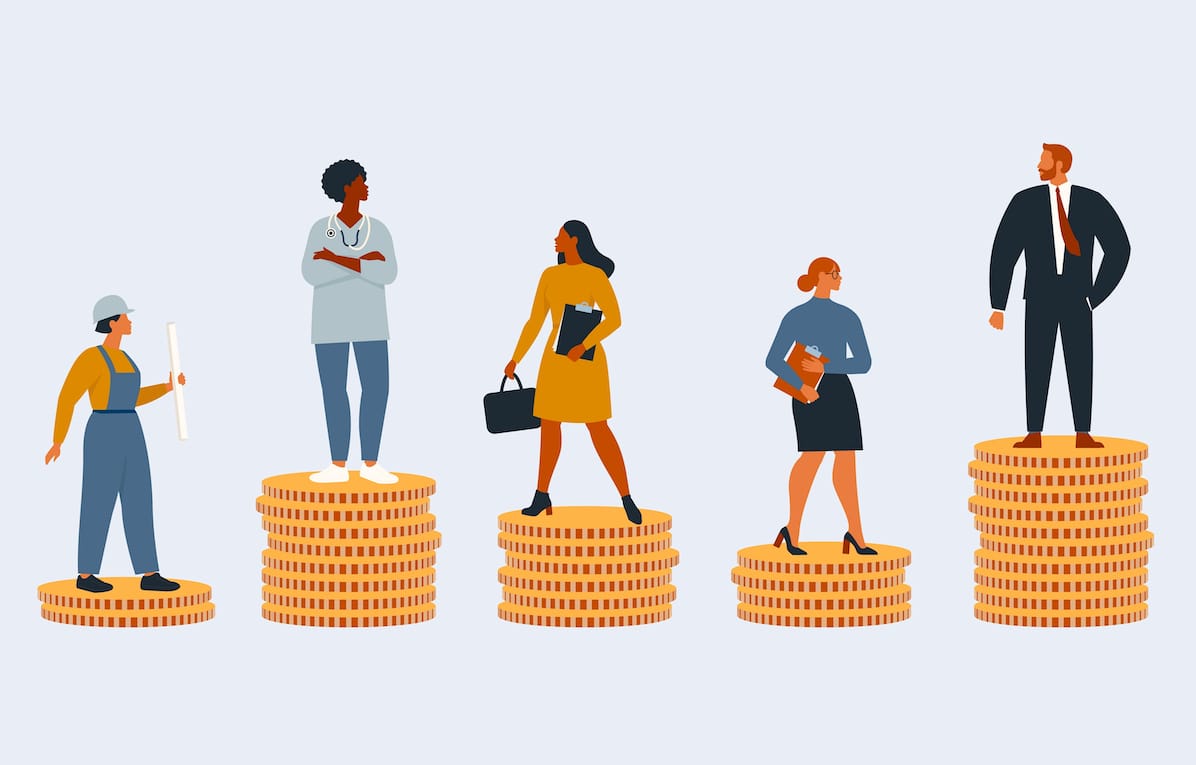
According to Oxfam Kenya, the richest 10.0% of Kenyans earn more than 23 times what the poorest 10.0% earn, underscoring the depth of income inequality. Yet income gaps only tell part of the story. Wealth concentration in Kenya is even more pronounced. Analysis notes that just 125 individuals hold wealth equivalent to that of approximately 42.6 mn Kenyans, highlighting how economic power is concentrated within a very small segment of the population.

Asset ownership data from the Kenya National Bureau of Statistics (KNBS) further reinforces this imbalance. On average, households own 6-7 out of 17 measured assets, while 2.0% own none at all. Asset inequality worsened between 2005/06 and 2015/16, with the asset Gini coefficient rising from 0.54 to 0.55, indicating growing concentration of wealth over time.
Disparities also persist across demographic and geographic lines. Urban households consistently hold more assets than rural households, while male-headed households tend to accumulate more wealth than female-headed ones. These structural gaps limit economic mobility and weaken the ability of large segments of the population to build long-term financial security.
From a broader economic perspective, widening inequality constrains consumption, weakens household resilience, and narrows the base of sustainable demand. When wealth and opportunity are concentrated among a few, economic growth becomes less inclusive and more fragile.
Kenya’s challenge, therefore, is not a lack of growth, but the uneven distribution of its gains. Bridging this gap will require policies that promote asset accumulation, improve income mobility, and ensure that economic progress translates into shared and durable prosperity. (Start your investment journey today with the cytonn MMF, call+2540709101200 or email sales@cytonn.com)