Sharp Daily
No Result
View All Result
Monday, February 2, 2026
  • Home
  • News
    • Politics
  • Business
    • Banking
  • Investments
  • Technology
  • Startups
  • Real Estate
  • Features
  • Appointments
  • About Us
    • Meet The Team
Sharp Daily
  • Home
  • News
    • Politics
  • Business
    • Banking
  • Investments
  • Technology
  • Startups
  • Real Estate
  • Features
  • Appointments
  • About Us
    • Meet The Team
No Result
View All Result
Sharp Daily
No Result
View All Result
Home News

Reframing Savings and Investments for Low Income Kenyans

Susan by Susan
December 3, 2025
in News
Reading Time: 2 mins read

When most people think about poverty, they picture low income or lack of resources. Poverty, however, is also shaped by the beliefs people hold about money, savings and investments. For many low-income Kenyans, these beliefs can be as limiting as the amount they earn. Understanding these mindsets is the first step toward creating financial habits that lead to stability, growth and long-term empowerment.
Data from the Fin Access survey shows that a very large share of Kenyans households earn KES 20,000 or less per month. Within this group, many save inconsistently or not at all. Several reasons include irregular earnings. The survey also shows that a very large share of Kenyans households earn KSh 20,000 or less per month. Within this group, many save inconsistently or not at all. Several reasons include irregular earnings, lack of enough income and mistrust of financial institutions. This shows that even where low minimum investment products exist, people’s beliefs often hold them back from starting.

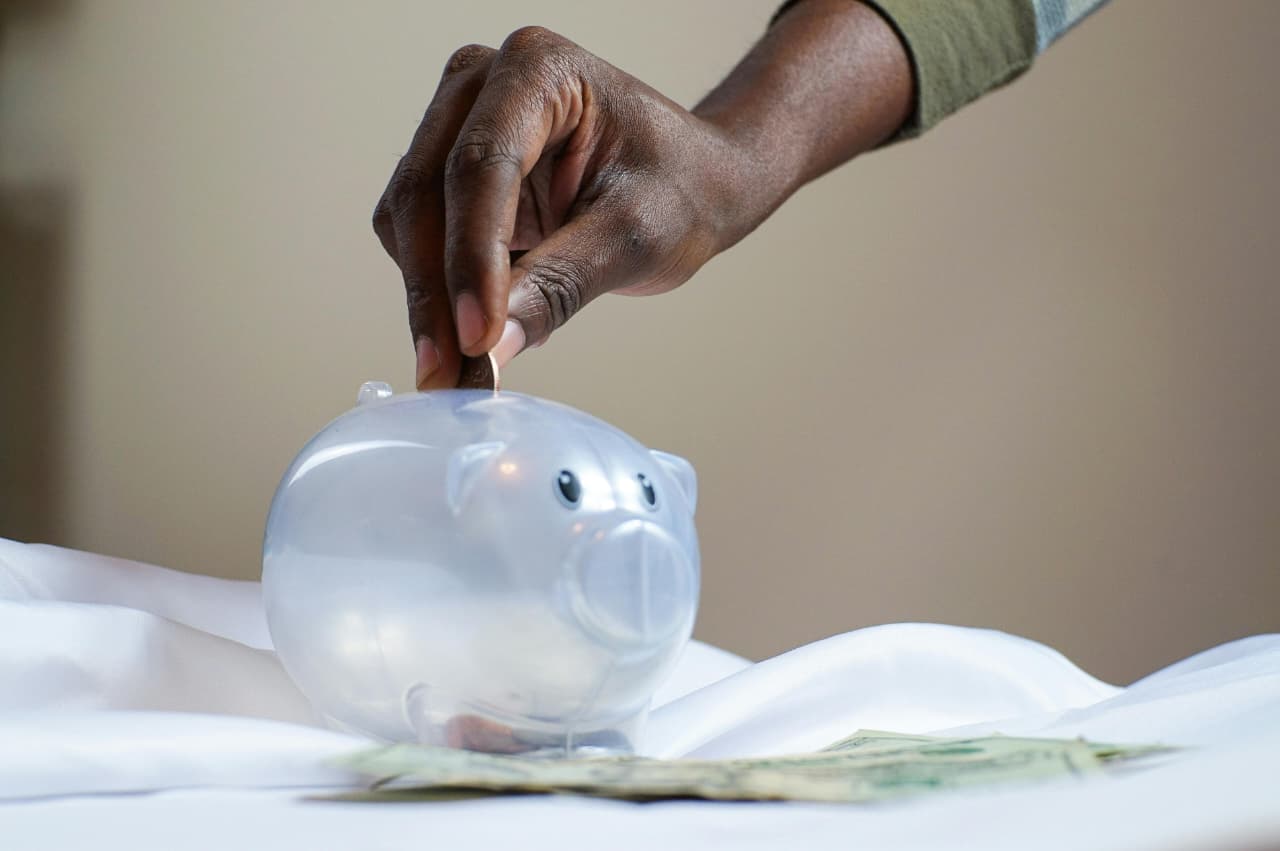
A common misconception is that investing is simply a way of losing money. Many people associate investments with high risk, past fraud cases or stories of people who lost everything. This fear deepens when money is already scarce. This results in avoidance even when safe, regulated and low-risk investment options are available. Another harmful mindset is the idea that small amounts are pointless. Someone earning KES 10,000-20,000 a month may think that saving KES 100 cannot make a difference. This limits the power of consistency, compounding and long-term discipline. When people think that small contributions don’t add up, it becomes one of the biggest barriers to wealth-building among the low-income earners.

Helping the individuals in lower income brackets requires more than lowering deposit amounts. Behavioral nudges such as reminders, automated deposits, saving streaks and small rewards for consistency can make saving easier and more habitual. Additionally, sharing relatable success stories such as people who started with small amounts and gradually transformed their financial lives. When people see relatable success stories, their beliefs shift and saving begins to feel possible.

Addressing both mindset and behavior gives low income earners a fair chance to grow financially, one small step at a time.


RELATEDPOSTS

Kenya targets small savers with planned sh500 retail bond

February 2, 2026

What drives the decision to buy or rent property

January 30, 2026
Previous Post

End of year money audit: Key financial steps to take before 2026

Next Post

In duplum rule Kenya: slain lawyer Mathew Kyalo Mbobu wins posthumous victory against Sh69M predatory loan demand.

Susan

Susan

Related Posts

News

Kenya targets small savers with planned sh500 retail bond

February 2, 2026
News

What drives the decision to buy or rent property

January 30, 2026
News

Why Professional Investors Avoid “Cheap” Stocks

January 30, 2026
News

Kenya’s rank in Africa’s crime on “wash wash” and heroin deals

January 30, 2026
News

The Market’s Preference for Predictability Over Growth

January 30, 2026
News

Small Purchases, Big Impact

January 30, 2026

LATEST STORIES

Kenya targets small savers with planned sh500 retail bond

February 2, 2026

What drives the decision to buy or rent property

January 30, 2026

Why Professional Investors Avoid “Cheap” Stocks

January 30, 2026

Kenya’s rank in Africa’s crime on “wash wash” and heroin deals

January 30, 2026

The Market’s Preference for Predictability Over Growth

January 30, 2026

Small Purchases, Big Impact

January 30, 2026

Is Kenya’s Government-to-Government Oil Import Deal Working, or Do We Need to Rethink It?

January 30, 2026

When banks are watched, economies are safer

January 30, 2026
  • About Us
  • Meet The Team
  • Careers
  • Privacy Policy
  • Terms and Conditions
Email us: editor@thesharpdaily.com

Sharp Daily © 2024

No Result
View All Result
  • Home
  • News
    • Politics
  • Business
    • Banking
  • Investments
  • Technology
  • Startups
  • Real Estate
  • Features
  • Appointments
  • About Us
    • Meet The Team

Sharp Daily © 2024